Cybersecurity Awareness Training for the Healthcare & Pharmaceuticals Sector
Hospitals and healthcare facilities are high-value ransomware targets because clinical downtime directly endangers patients. Attackers weaponise that pressure for fast payment. The attack surface includes SIMRS, networked medical devices, administrative email, and often-remote vendor work. Patient data is specific personal data under the PDP Law, so awareness among medical and administrative staff in processing, sharing, and storing patient data is a legal and accreditation imperative.
- 4.9/5 · 287 reviews
- 300+ clients nationwide
- 2,000+ trainers
- 1 to hundreds of participants
- Standard · Premium · Private 1-on-1
- format
- In-house / online / roadshow
- duration
- 1 day per employee batch
- participants
- Scalable to thousands
- language
- Indonesian / English
2,000+ trainers and experts
Our group's teaching network, matched to what your team needs.
See class documentationYou see your trainer first
The trainer's profile, track record and field come with the proposal, before you decide.
4.9 out of 5
287 participant reviews.
300+ clients nationwide and 180,000+ private training sessions completed. Among them: MPR RI, Akademi Militer Magelang, DPRD Provinsi Jawa Timur.
One person to hundreds
Private coaching for one participant, a class for one team, or several cohorts at once.
Three budget levels
- Standard: core class, material fitted to the participants’ work
- Premium: senior trainer, deeper material design
- Private 1-on-1: one participant, one trainer, schedule set by the participant
Why Employee Cybersecurity Awareness is different in Healthcare & Pharmaceuticals
Hospitals and healthcare facilities are high-value ransomware targets because clinical downtime directly endangers patients. Attackers weaponise that pressure for fast payment. The attack surface includes SIMRS, networked medical devices, administrative email, and often-remote vendor work. Patient data is specific personal data under the PDP Law, so awareness among medical and administrative staff in processing, sharing, and storing patient data is a legal and accreditation imperative.
- Phish-prone rate on healthcare-themed simulationsDrops significantly period-over-period
- Report-rate among medical & administrative staffRises significantly, especially after the "ransomware drill" module
- Patient-data leak / misrouting incidentsDrops significantly with quarterly refreshers
- Health Law No. 17/2023
- UU PDP No. 27/2022 — health data = specific personal data
- Hospital Accreditation Standards by KARS (latest)
- Ministry of Health regulations on SIMRS and electronic medical records
- ISO/IEC 27001:2022 + ISO 27799 information security in healthcare — international reference
- Hospital Director / Deputy Director of Services
- Head of SIMRS / Hospital IT
- Quality & Patient-Safety Committee
- Head of Medical Services Division
- Medical Records Manager
- Head of HR & Training
- Medical & administrative staff recognise healthcare-themed phishing (BPJS, insurance, pharma partner)
- Teams practice ransomware vigilance: no attachment execution, fast report to IT
- Patient-data handling (medical records, lab results, prescriptions) follows PDP-Law minimisation principles
- Vendors & technical partners are onboarded with access controls and NDAs staff understand
- Scheduled training is documented as part of KARS accreditation requirements
Quick Answer
Employee cybersecurity awareness training is an ongoing program that trains all employees to recognize phishing, social engineering, and data leakage so human-factor risk is reduced and measurable. Its curriculum is mapped to NIST SP 800-50 Rev 1, NIST CSF 2.0 PR.AT, and ISO 27001:2022 A.6.3, measured with the NIST Phish Scale and Kirkpatrick, aligned to Indonesia's PDP Law.
Indonesia's PDP Law (UU No. 27/2022) is fully in force: employee awareness is an obligation
Since October 2024 data controller & processor obligations are fully enforceable, with administrative sanctions up to 2% of annual revenue. Employee awareness is an expected organizational measure that must be evidenced. This program translates that obligation into concrete behavior and audit documentation from day one.
Mapped to recognized awareness frameworks
Design follows NIST SP 800-50 Rev 1 (2024, 4-phase lifecycle), meets NIST CSF 2.0 PR.AT-01/PR.AT-02 outcomes, and ISO/IEC 27001:2022 Annex A 6.3 duties: documented, role-based, and ongoing with depth beyond generic 'security tips'.
The most common mistake: annual training without behavior measurement
Measuring raw click rate without the NIST Phish Scale misleads, and once-a-year training only places an organization at the 'compliance-focused' SANS Maturity stage. This program pursues behavior & culture change with normalized simulations and a report-rate metric that extends beyond a checked audit box.
Clients & Documentation
Some of the institutions we have trained
Photos from sessions we have delivered, each one named after the institution it belongs to.
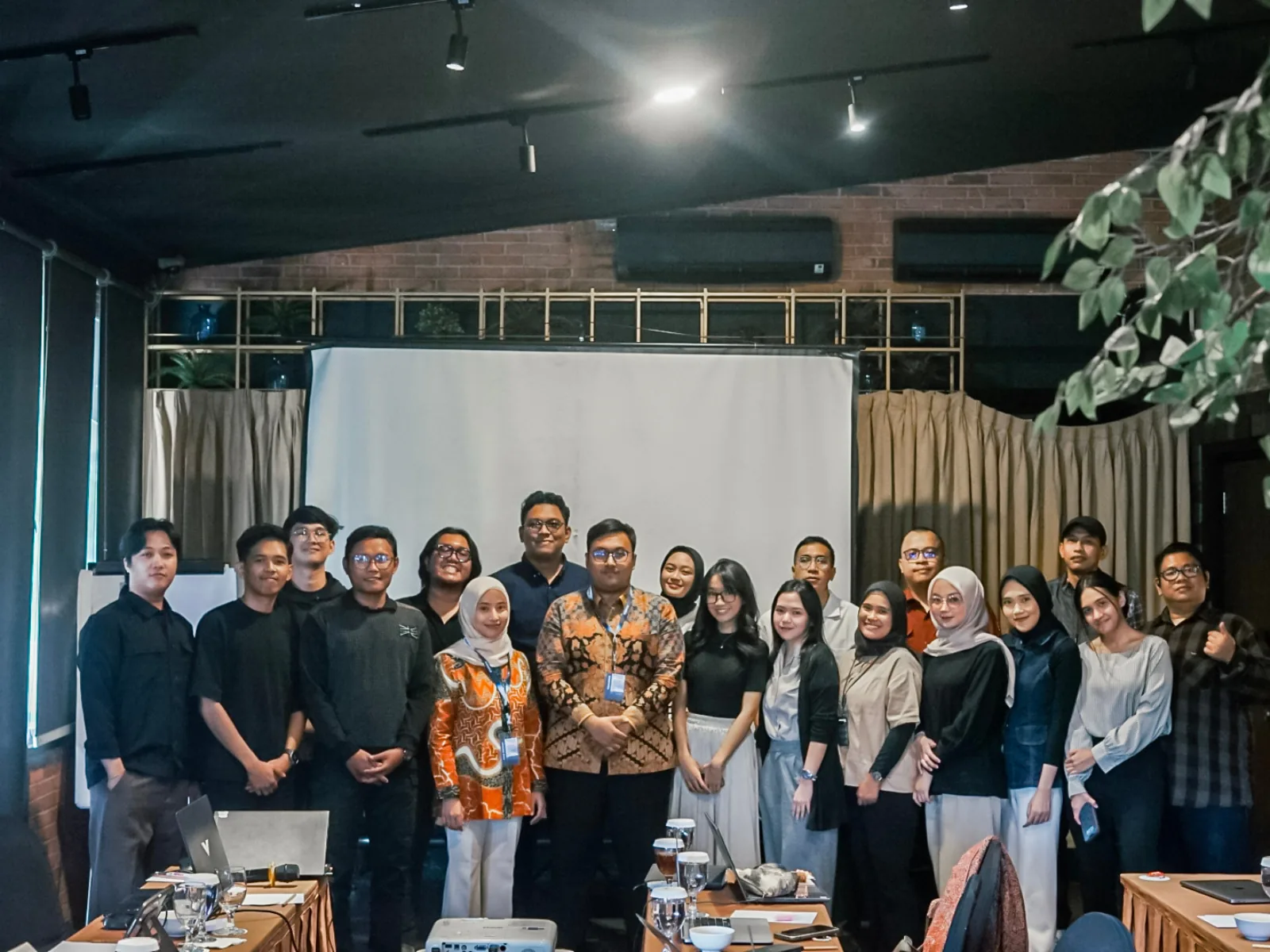
MPR RI

Akademi Militer Magelang
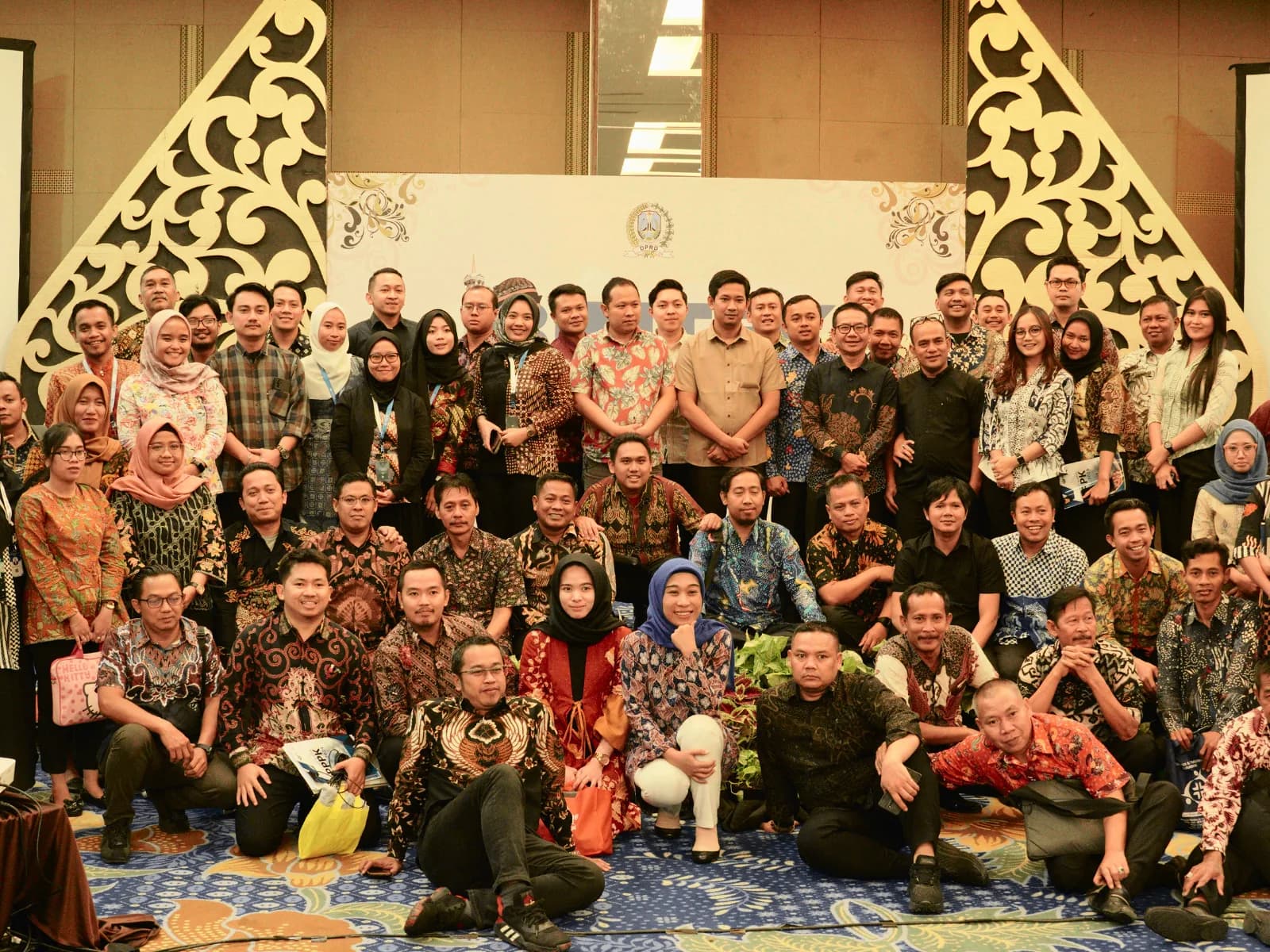
DPRD Provinsi Jawa Timur

DPMPTSP Pemprov Maluku Utara
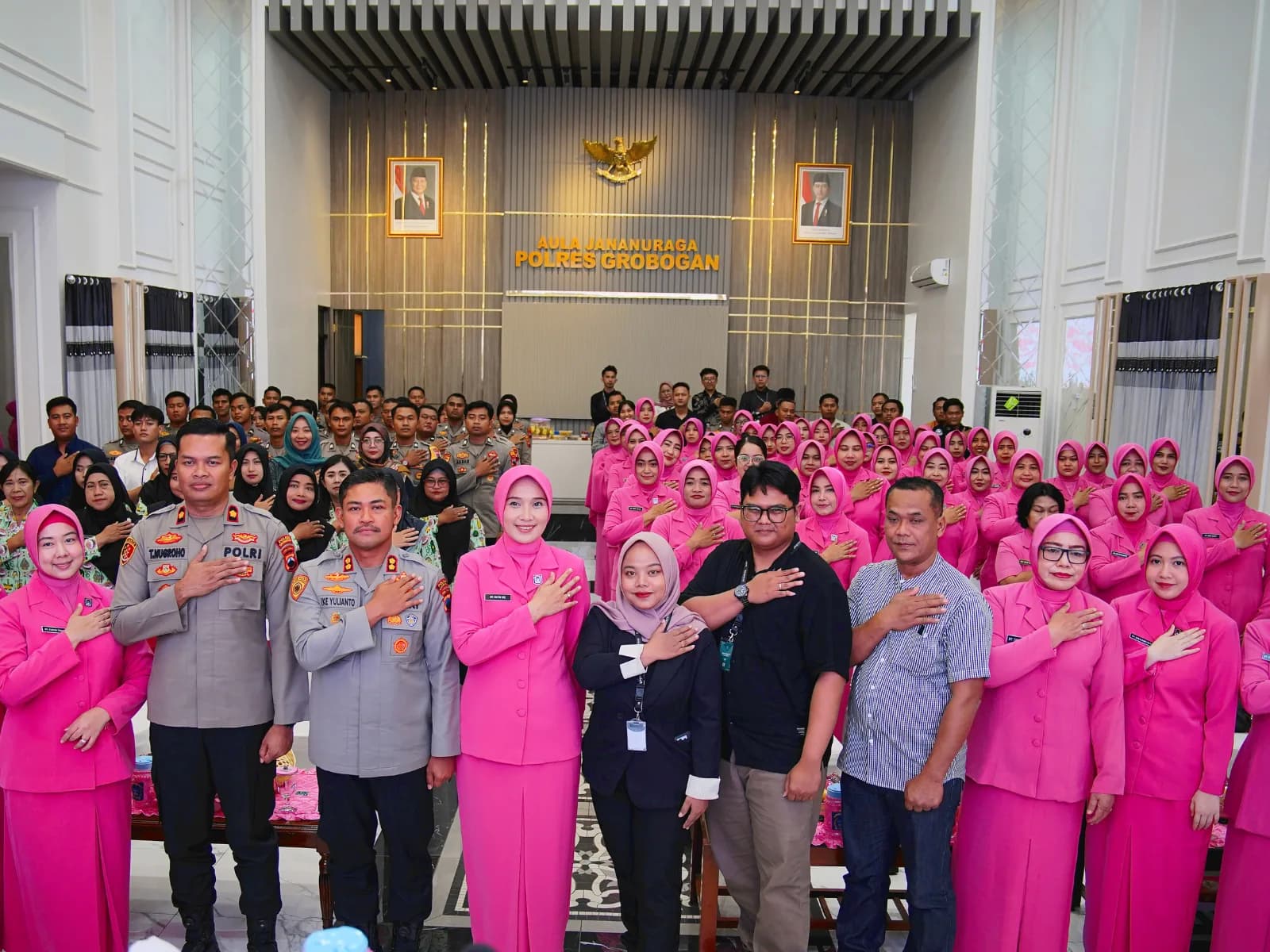
Polres Grobogan
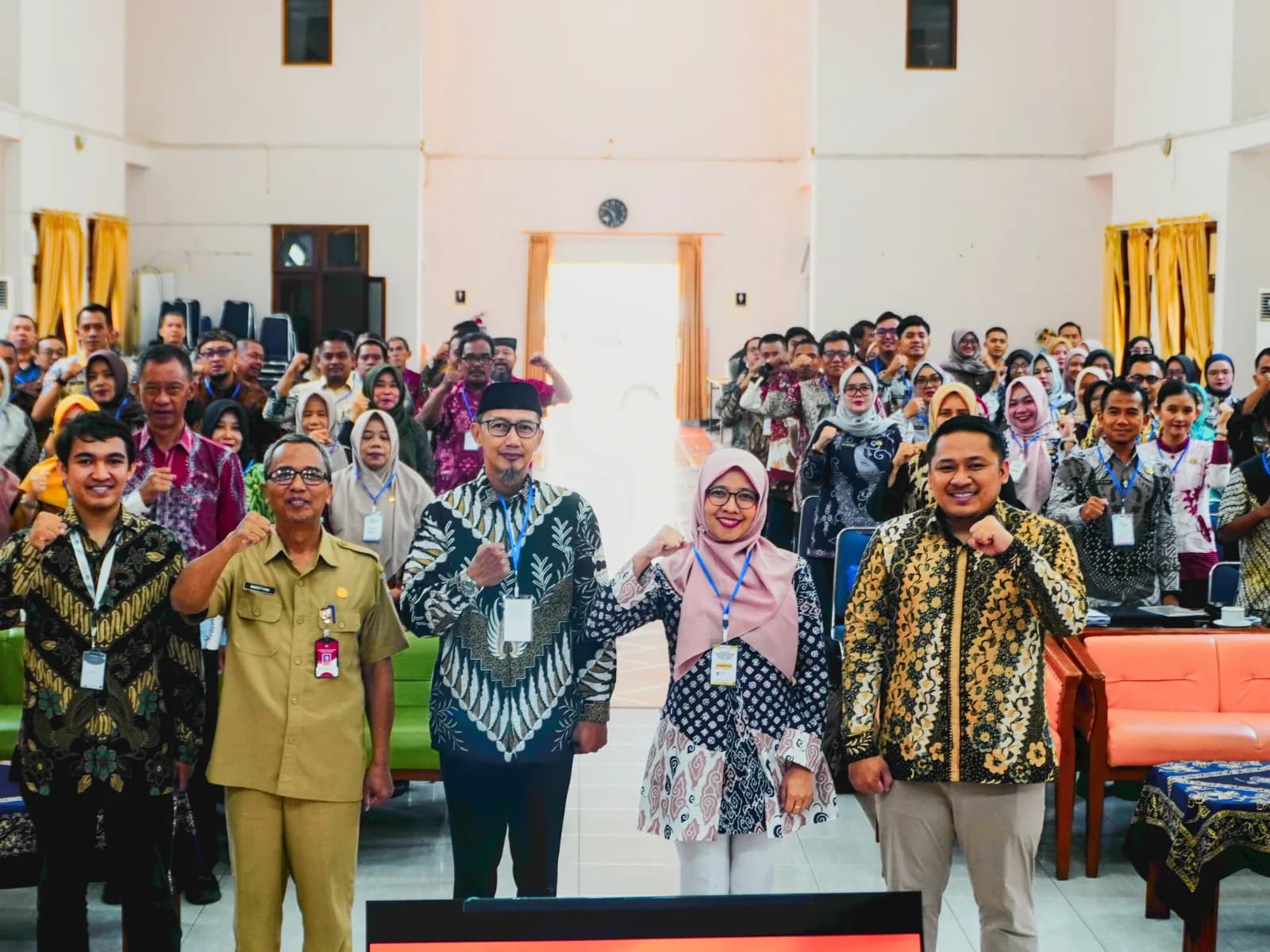
BKPSDM Cirebon
Employee Cybersecurity Awareness
Employee cybersecurity awareness training is an ongoing program that equips all employees to recognize and respond to everyday cyber threats (phishing, social engineering, data leakage), so human-factor incident risk is reduced and measurable. The curriculum is mapped to NIST SP 800-50 Rev 1, NIST CSF 2.0 Protect (PR.AT), and ISO/IEC 27001:2022 Annex A 6.3, measured with the NIST Phish Scale and the Kirkpatrick model, and aligned to UU PDP No. 27/2022 (Indonesia's PDP Law) and sector regulation (e.g. POJK 11/2022 for banking).
Measurable Outcomes
Expected Outcomes
Success indicators mapped to Kirkpatrick evaluation levels and SANS Maturity Model stages: qualitative targets, set jointly during the TNA against the organization's baseline.
- Fewer employees click the phishing bait
- A downward click-rate trend across simulation cycles, normalized with the NIST Phish Scale so comparison is fair. The number is read from phishing simulations before and after the class (Kirkpatrick L3).
- More people report what looks suspicious
- A rising share of employees who actively report suspicious email, a culture indicator that complements click-avoidance. Counted from the reports reaching the security team (Kirkpatrick L3).
- Whole workforce reached and assessed
- Most employees complete mandatory modules and pass the threat & policy knowledge assessment. Drawn from attendance sheets and quiz scores per batch (Kirkpatrick L1 to L2).
- Evidence for the auditor is ready
- Training, assessment, and simulation evidence documented for ISO 27001 A.6.3, OJK, or internal-examiner audits. It takes the form of the evidence auditors request each year (Kirkpatrick L4).
- Security culture moves up a stage
- Movement of stage on the SANS Maturity Model: from compliance-focused toward behavior & culture change. The position is read on the SANS Security Awareness Maturity Model (Kirkpatrick L3 transfer).
- Monetary value of incidents avoided (optional)
- Estimated avoided human-factor incident loss with isolation of training effects, when finance/risk requires a figure. Any rupiah estimate rests on the Phillips L5 approach, taken by choice.
Program Format
Program Format Options
Chosen by employee distribution, regulatory intensity, and culture-maturity stage, finalized after the TNA. One day per batch already builds baseline awareness across the workforce. Because vigilance fades quickly, organizations serious about holding their click rate down attach a three to twelve month periodic programme of phishing simulations and short refreshers.
Multi-Site Awareness Roadshow
Short sessions (60-120 min) touring units, branches, or plants for fast mass coverage, focused on spotting phishing, social engineering, and how to report, with messaging tailored per site.
Role-Based Core Module + Baseline Simulation
Core training structured per role (general, frontline, executive, IT/privileged) followed by a baseline phishing simulation to set an honest measurement starting point.
Periodic Program (quarterly/monthly)
Continuous reinforcement on a 70-20-10 pattern: micro-learning, rolling simulations with rising Phish Scale difficulty, and per-unit trend reviews.
Human-Risk Assessment & Diagnostic
A diagnostic session: a controlled phishing simulation, a behavior questionnaire, and mapping the organization's position on the SANS Maturity Model to set program priorities.
Free Consultation
Discuss your team's cyber-awareness program needs
We map your high-risk roles, your position on the SANS Maturity Model, and your regulatory obligations, then build a proposal & budget estimate grounded in real needs.
Curriculum
Curriculum Framework
Built with ADDIE and the NIST SP 800-50 Rev 1 Analysis & Design phase; final modules curated from the TNA and roles. Topics below are the full coverage that can be activated.
- Why humans are targeted: the human element is present in most incidents (Verizon DBIR 2024 reference: ~68% of breaches involve the human element)
- Phishing, spear phishing, and whaling: anatomy & psychological triggers
- Business Email Compromise (BEC) & transfer/invoice fraud
- Ransomware: how a single click becomes operational impact
- AI-assisted threats: voice/video deepfakes & increasingly convincing phishing (ENISA analysis reference)
- Influence principles attackers exploit: urgency, authority, fear, reciprocity
- Vishing (phone), smishing (SMS/WhatsApp), and pretexting
- Impersonation of a superior, vendor, IT helpdesk, or regulator
- Tailgating & physical security: building access, devices, and documents
- Local scenarios: fraud schemes relevant to the Indonesian context
- Strong passwords, password managers, and multi-factor authentication (MFA), including MFA fatigue
- Device, WFH, public-network, and BYOD security
- Classification & handling of sensitive and personal data (direct link to UU PDP No. 27/2022)
- Shadow IT & shadow AI: the risk of putting confidential data into unsanctioned tools
- Social-media security & the digital footprint usable for attack profiling
- Recognizing signs of compromise: anomalous accounts, devices, email, and transactions
- What to do in the first 60 seconds (DBIR reference: time-to-fall for phishing is often <1 minute)
- Clear how-and-where to report, building report rate as a culture metric
- The employee's role in the organizational incident-response flow (link to NIST CSF 2.0 Respond)
- Incident & data-breach notification duties to authorities and data subjects
- Mapping to NIST SP 800-50 Rev 1 (4-phase lifecycle) and NIST CSF 2.0 PR.AT-01/PR.AT-02
- ISO/IEC 27001:2022 Annex A 6.3: documented, role-mapped awareness, education & training duties
- UU PDP No. 27/2022: data controller/processor roles, DPO duties, awareness as an organizational measure
- Sector regulation: POJK 11/POJK.03/2022 + SEOJK 29/SEOJK.03/2022 (banking), BSSN guidance, internal security policy
- Acceptable use policy & clear desk/clear screen as trained behaviors practiced daily
- Phishing-simulation methodology: baseline, cycles, and per-unit reporting
- NIST Phish Scale (TN 2276): rating email difficulty so click rates are compared honestly
- SANS Security Awareness & Culture Maturity Model: 5 stages (Nonexistent -> Compliance-Focused -> Behavior Change -> Culture Change -> Optimization & Resilience)
- Kirkpatrick Level 1-4 & Phillips ROI Level 5 evaluation for an awareness program
- Building a security-champion network & a reinforcement cadence (70-20-10 pattern)
Comparison
Choosing a Program Format
A concise decision matrix. The final recommendation is set after the training needs analysis.
| Aspect | Awareness Roadshow | Core Module + Baseline Simulation | Periodic Program (quarterly) | Risk Assessment & Diagnostic |
|---|---|---|---|---|
| Primary goal | Fast mass coverage | Measurable awareness baseline | Behavior & culture change | Know the starting point first |
| Ideal participants | All distributed employees | Org building a baseline | Heavily regulated sectors | Exploratory IT/Risk leadership |
| Measurement | Coverage & brief assessment | Baseline click rate (Phish Scale) | Rolling click/report-rate trend | Diagnostic + SANS Maturity position |
| Compliance depth | Basic regulatory awareness | ISO 27001 A.6.3 fulfillment | Continuous audit evidence | Gap map vs frameworks & regulation |
| Target SANS Maturity stage | Toward compliance-focused | Strong compliance-focused | Behavior & culture change | Establishing the maturity baseline |
For Whom
Who Is This Program For?
Structured per role following the NIST CSF 2.0 PR.AT role-based pattern, because risk and attack vectors differ per function.
General employees (knowledge workers)
The first human line of defense for everyday email, credentials, and data.
Common challenges
- Inconsistently spot increasingly convincing phishing and social engineering
- Don't know the reporting path, so incidents go undetected quickly
- Unclear what data must not be shared or entered into unsanctioned tools
Frontline, service & call center
Favorite social-engineering targets because they interact with the public and hold customer data.
Common challenges
- Fast-service pressure causes security verification to be skipped
- Frequent vishing/pretexting targets impersonating a customer or superior
- Hold personal data subject to UU PDP and sector regulation
Executives & privileged-access holders
Targets of whaling, BEC, and tailored attacks due to approval authority and system access.
Common challenges
- Targeted by personalized spear phishing & deepfakes
- Financial approvals exploitable via impersonation (transfer fraud)
- No separate privileged-user training module yet (PR.AT-02 gap)
IT/Security, HR, Risk & Compliance teams
Design, run, and prove the awareness program and map human risk.
Common challenges
- Hard to measure human risk objectively (raw click rate misleads)
- ISO 27001 A.6.3 / OJK / UU PDP audit evidence incomplete & undocumented
- The program stops at annual training with no proven behavior change
Industry Context
Use Cases by Industry
One specific use case per industry, naming a real workflow, threat, and regulation in that vertical.
Anti-fraud frontliner & targeted BEC simulation against treasury/operations, mapped to the workforce-awareness duties in POJK 11/POJK.03/2022 and SEOJK 29/SEOJK.03/2022, with training & simulation evidence ready for OJK examination and ISO 27001 A.6.3 audit.
See in Banking & Financial Services context →Patient-data protection & hospital ransomware vigilance (a vector that can paralyze clinical services), with a patient personal-data handling module aligned to UU PDP No. 27/2022 and clear incident reporting for medical & administrative staff.
Civil-servant awareness of citizen-data security and digital public services, aligned to BSSN guidance and public-sector UU PDP duties, with cross-unit roadshows and coverage evidence for internal examiners.
See in Government & Public Sector context →Vigilance against critical-infrastructure attacks and OT/IT boundary hygiene for plant & corporate staff, with social-engineering scenarios targeting operators and the supply chain.
See in Energy & Resources context →Software supply-chain security and social engineering against engineers (tokens, secrets, repository access), with simulations targeting credential phishing and MFA fatigue.
See in Technology & Startups context →An enterprise-scale awareness program across subsidiaries with an auditable governance trail, aligned to UU PDP and the NIST SP 800-50 Rev 1 framework, supporting director accountability and readiness for BPK/internal-audit examination.
See in State-Owned Enterprises (BUMN) context →Delivery Method
Delivery
Format adapts to team distribution and operational schedule; every format is interactive with two-way exercises & simulations throughout.
In-house on-site & roadshow
Facilitator comes to the office/branch/plant; interactive sessions with local case studies, tabletop social-engineering simulation, and reporting drills.
Live online & micro-learning
Interactive class via Zoom/Teams for mass coverage, reinforced by short micro-learning for periodic reinforcement (70-20-10 pattern).
Hybrid
On-site sessions for high-risk roles (frontline, executive, IT) followed by rolling online phishing simulations and per-unit trend reviews.
Engagement Flow
Engagement Path
Following the 4-phase NIST SP 800-50 Rev 1 lifecycle: qualitative durations, adapted to organization scale & distribution.
Training Needs Analysis & Diagnostic (Plan & Strategy)
Mapping high-risk roles, regulatory duties (UU PDP/POJK/sector), the starting position on the SANS Maturity Model, and a measurement baseline. Output: a needs profile + simulation scope.
Initial stageRole-Based Program Design (Analysis & Design / ADDIE)
Defining measurable learning objectives, a per-role syllabus (general/frontline/executive/privileged), local scenarios, and a compliance map to NIST/ISO 27001/UU PDP.
Before deliveryBaseline Simulation
A controlled phishing simulation to set the starting point, rated with the NIST Phish Scale so the baseline is honest and later comparable.
Program startDelivery: Roll-out per Role & Site
Core training and cross-unit/branch/plant roadshows; high-risk roles get deeper modules (70-20-10 pattern, led by a security-champion group).
Rolling per batchReinforcement & Periodic Simulation Cycles
Micro-learning and rolling simulations with gradually rising Phish Scale difficulty; per-unit click & report-rate trend reviews.
Periodic (quarterly/monthly)Evaluation & Institutionalization (Assessment & Improvement)
Kirkpatrick L1-L4 evaluation (Phillips L5 on request), re-mapping the SANS Maturity stage, audit evidence, and a security-culture maturity roadmap.
After each cycle & ongoingCase Studies
Typical Outcome Patterns
Indicative impact patterns based on similar program structures: illustrative, with no named clients or promised numbers. External benchmarks (e.g. Verizon DBIR) are cited as industry references for context, separate from Neksus result claims.
A financial-services institution with thousands of employees across many branches
Intervention
Multi-site roadshow + a baseline phishing simulation then rolling cycles with Phish Scale difficulty raised gradually
Result
A downward click-rate trend across cycles and a rising report rate; training evidence assembled for regulator examination
A multi-unit healthcare network
Intervention
Quarterly program + a UU PDP-aligned patient-data protection module + a simplified reporting path
Result
Comprehensive training coverage and more complete compliance-audit documentation; ransomware awareness improved among non-technical staff
An agency/state-owned enterprise with many work units
Intervention
SANS Maturity Model position assessment + a phased program with a champion network (70-20-10 pattern)
Result
Movement from a compliance-focused stage toward behavior change, with trend metrics reportable to leadership
Procurement Info
Information for Procurement & Vendor Management
What procurement, finance, legal, and information-security teams need.
Structured proposal: measurable learning objectives, role-based syllabus, compliance map (NIST SP 800-50 Rev 1 / CSF 2.0 / ISO 27001 A.6.3 / UU PDP / POJK), simulation methodology, facilitator profiles, schedule, and a TNA-based cost breakdown.
TNA-based: flat per program, per session, per participant, tiered, or custom. No standard figure without a needs analysis; an estimate follows the TNA and once simulation scope is agreed.
Flexible terms (deposit + balance / per-batch or per-quarter terms); tax invoice (PPN/VAT) and PO documentation support available.
Familiar with state-owned-enterprise/agency procurement stages: vendor documents, e-procurement, owner's estimate/bid, and compliance clauses.
Kirkpatrick Level 1-3 evaluation report (attendance, assessment, click/report-rate trend with Phish Scale) and SANS Maturity stage mapping; Phillips ROI Level 5 on finance/risk request.
NDA signing, participant data confidentiality clauses, an agreed & controlled phishing-simulation scope, and practice aligned to UU PDP and your internal security policy.
Scenarios, materials, and reports built for the company belong to the company; training-material usage rights are agreed in the contract.
FAQ
Frequently Asked Questions
Next Step
Discuss your team's cyber-awareness program needs
We map your high-risk roles, your position on the SANS Maturity Model, and your regulatory obligations, then build a proposal & budget estimate grounded in real needs.
- Proposal, role-based syllabus, and a compliance map
- An honest, auditable NIST Phish Scale-based phishing-simulation methodology
- Procurement-ready documents (company profile, tax ID, NDA, VAT invoice)
Employee Cybersecurity Awareness training for your Healthcare & Pharmaceuticals team
We map your high-risk roles, your position on the SANS Maturity Model, and your regulatory obligations, then build a proposal & budget estimate grounded in real needs.
- Proposal, role-based syllabus, and a compliance map
- An honest, auditable NIST Phish Scale-based phishing-simulation methodology
- Procurement-ready documents (company profile, tax ID, NDA, VAT invoice)