Change Management Training for the Manufacturing Sector
Major change in manufacturing (ERP/MES implementation, multi-plant production SOP change, plant consolidation) touches thousands of operators with decades-old working patterns, while production must still hit output targets. Public research (e.g. McKinsey global transformation surveys) consistently finds ~70% of large transformations fail to hit initial targets. Manufacturing is no exception. Change management here is change-impact assessment per plant, per-shift champion networks, and post go-live reinforcement so new SOPs are actually used.
- 4.9/5 · 287 reviews
- 300+ clients nationwide
- 2,000+ trainers
- 1 to hundreds of participants
- Standard · Premium · Private 1-on-1
- format
- In-house / hybrid / online
- duration
- 2 days per batch
- participants
- 12-25 per batch (sponsors, change agents, line managers)
- language
- Indonesian / English
2,000+ trainers and experts
Our group's teaching network, matched to what your team needs.
See class documentationYou see your trainer first
The trainer's profile, track record and field come with the proposal, before you decide.
4.9 out of 5
287 participant reviews.
300+ clients nationwide and 180,000+ private training sessions completed. Among them: MPR RI, Akademi Militer Magelang, DPRD Provinsi Jawa Timur.
One person to hundreds
Private coaching for one participant, a class for one team, or several cohorts at once.
Three budget levels
- Standard: core class, material fitted to the participants’ work
- Premium: senior trainer, deeper material design
- Private 1-on-1: one participant, one trainer, schedule set by the participant
Why Organizational Change Management is different in Manufacturing
Major change in manufacturing (ERP/MES implementation, multi-plant production SOP change, plant consolidation) touches thousands of operators with decades-old working patterns, while production must still hit output targets. Public research (e.g. McKinsey global transformation surveys) consistently finds ~70% of large transformations fail to hit initial targets. Manufacturing is no exception. Change management here is change-impact assessment per plant, per-shift champion networks, and post go-live reinforcement so new SOPs are actually used.
- New system/SOP adoption rate per plantApproaches 100% within 90 days post go-live
- Productivity dip (OEE / output)Does not exceed the pre-cutover agreed threshold
- OHS incidents during transitionDoes not rise above baseline
- PP 50/2012, SMK3
- ISO 9001:2015 & ISO 45001:2018 — leadership clauses & controlled change
- Law 13/2003, Manpower Act — work-system change & employee rights
- Permenaker 5/2018, OHS Work Environment
- Plant Director / Plant Manager
- COO
- Production Manager
- Continuous Improvement / Lean Manager
- Chief Transformation Officer / Head of CIP
- EHS Manager
- Per-plant change impact assessment (what changes, who is affected, magnitude of change)
- Per-shift champion network bridging management and operators
- Productivity-dip management at go-live (projection, mitigation, board expectation)
- Post-hypercare reinforcement so teams do not revert to old methods
- Sponsor coalition at plant manager & head-office board level
- SOP change management compliant with ISO 9001 (controlled change) & OHS
Quick Answer
Organizational change management training equips sponsors, change agents, and line managers to guide major change (mergers, ERP/core, restructuring, digital transformation) with proven models (Prosci ADKAR, Kotter 8-Step, Lewin, Bridges, McKinsey Influence Model), a communication & sponsorship plan, and proactive resistance management, then measured with the Kirkpatrick model.
External research: ~70% of transformations fail to meet objectives
McKinsey has repeatedly reported around 70% of transformations fail to meet objectives; John Kotter reported similar odds in Leading Change (1996) & A Sense of Urgency (2008). The dominant cause sits on the people side: weak sponsorship and unmanaged resistance. Cited honestly as an industry reference. The figures belong to McKinsey and Kotter.
Curriculum mapped to recognized models
Material is explicitly mapped to Prosci ADKAR (individual side), Kotter 8-Step & Lewin (organization level), the Bridges Transition Model (emotional transition), and the McKinsey Influence Model (4 building blocks) & McKinsey 7S. Every module traces back to one of those named sources.
The most common mistake: assuming installation equals adoption
Many programs stop when the system 'goes live' or the new structure is announced. Without active sponsorship, resistance management from ADKAR awareness, and reinforcement (Prosci research: 81% who plan sustainment meet/exceed objectives), behavior reverts to old ways and the business benefits never materialize.
Clients & Documentation
Some of the institutions we have trained
Photos from sessions we have delivered, each one named after the institution it belongs to.
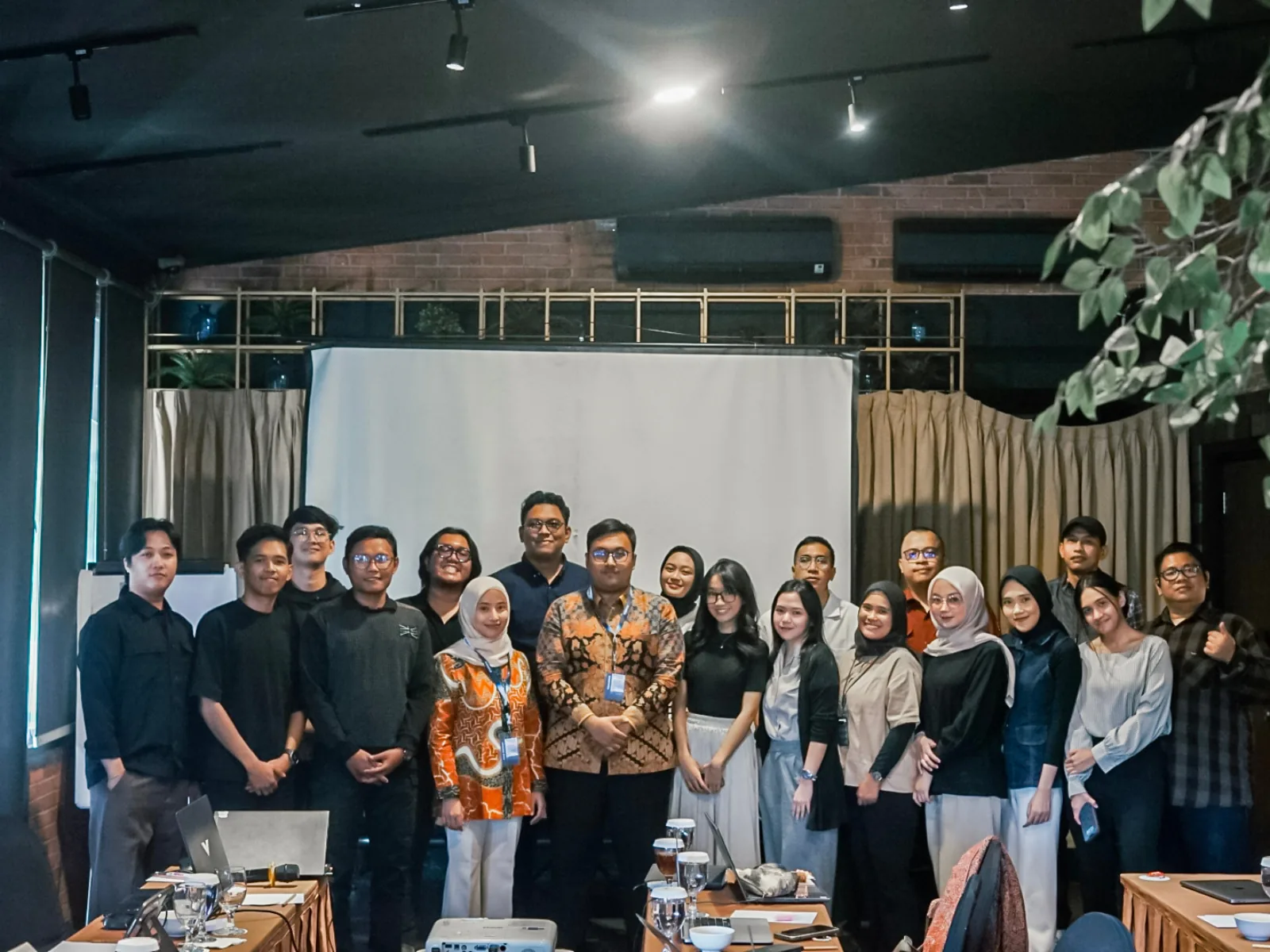
MPR RI
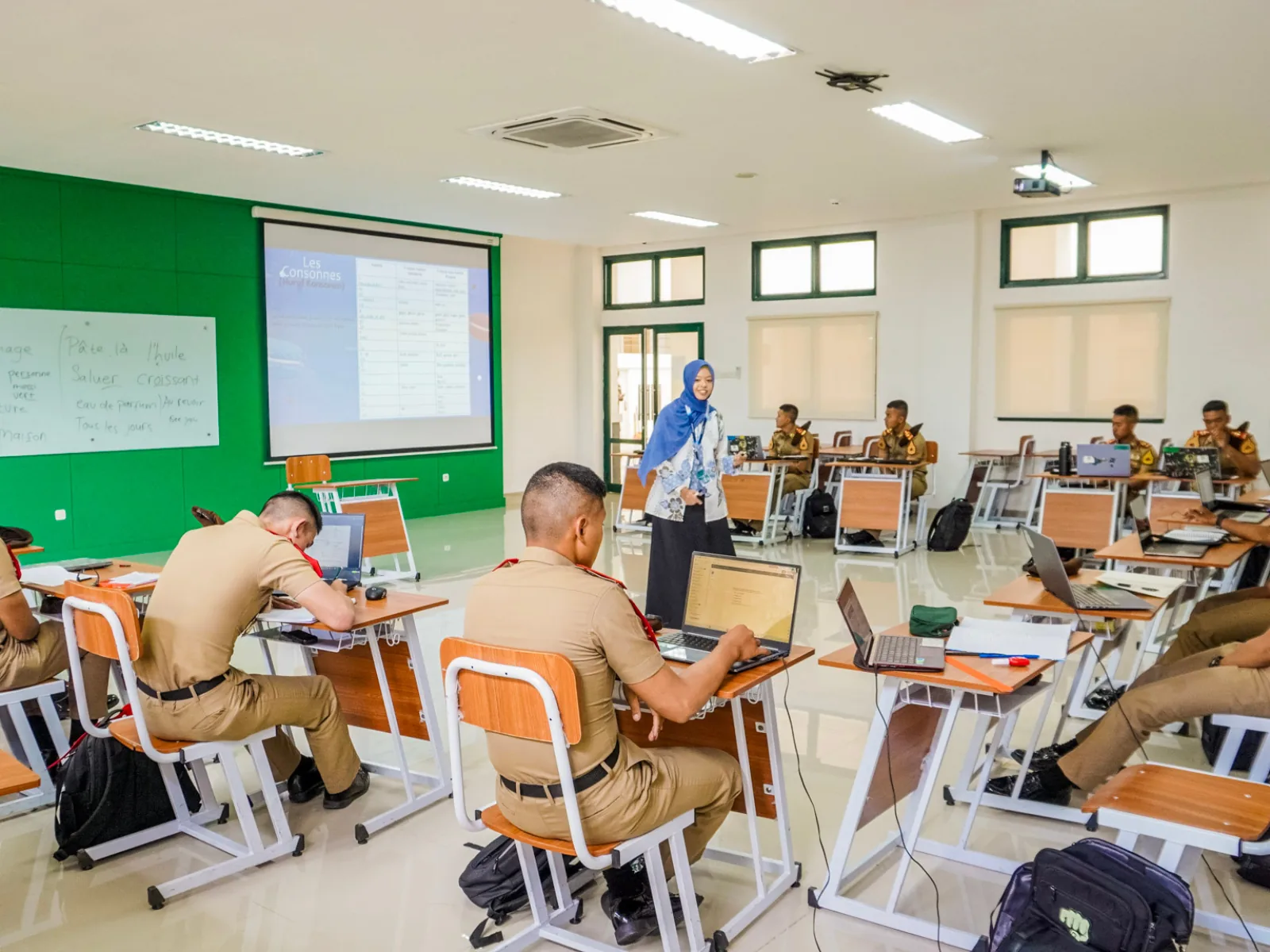
Akademi Militer Magelang
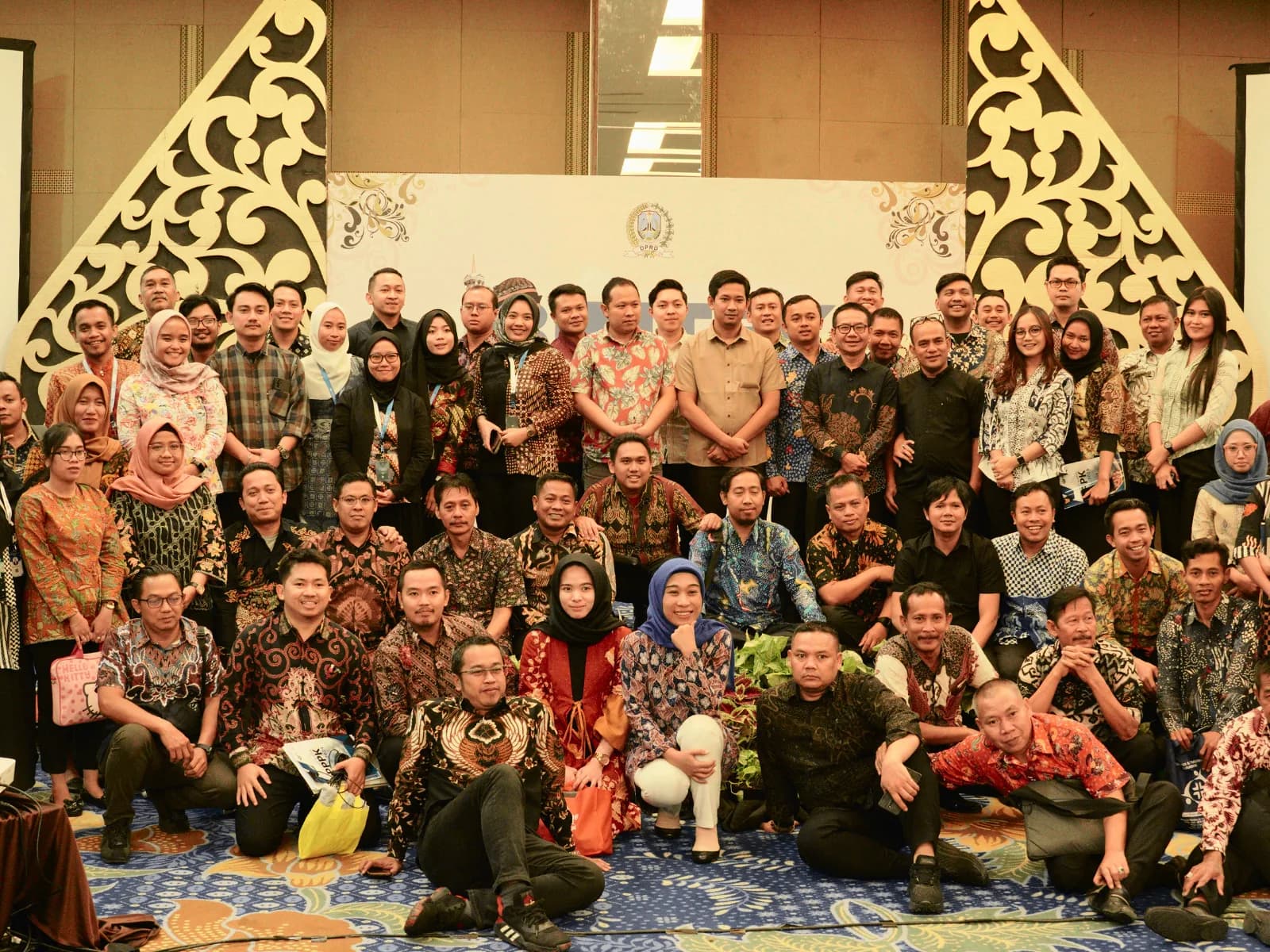
DPRD Provinsi Jawa Timur
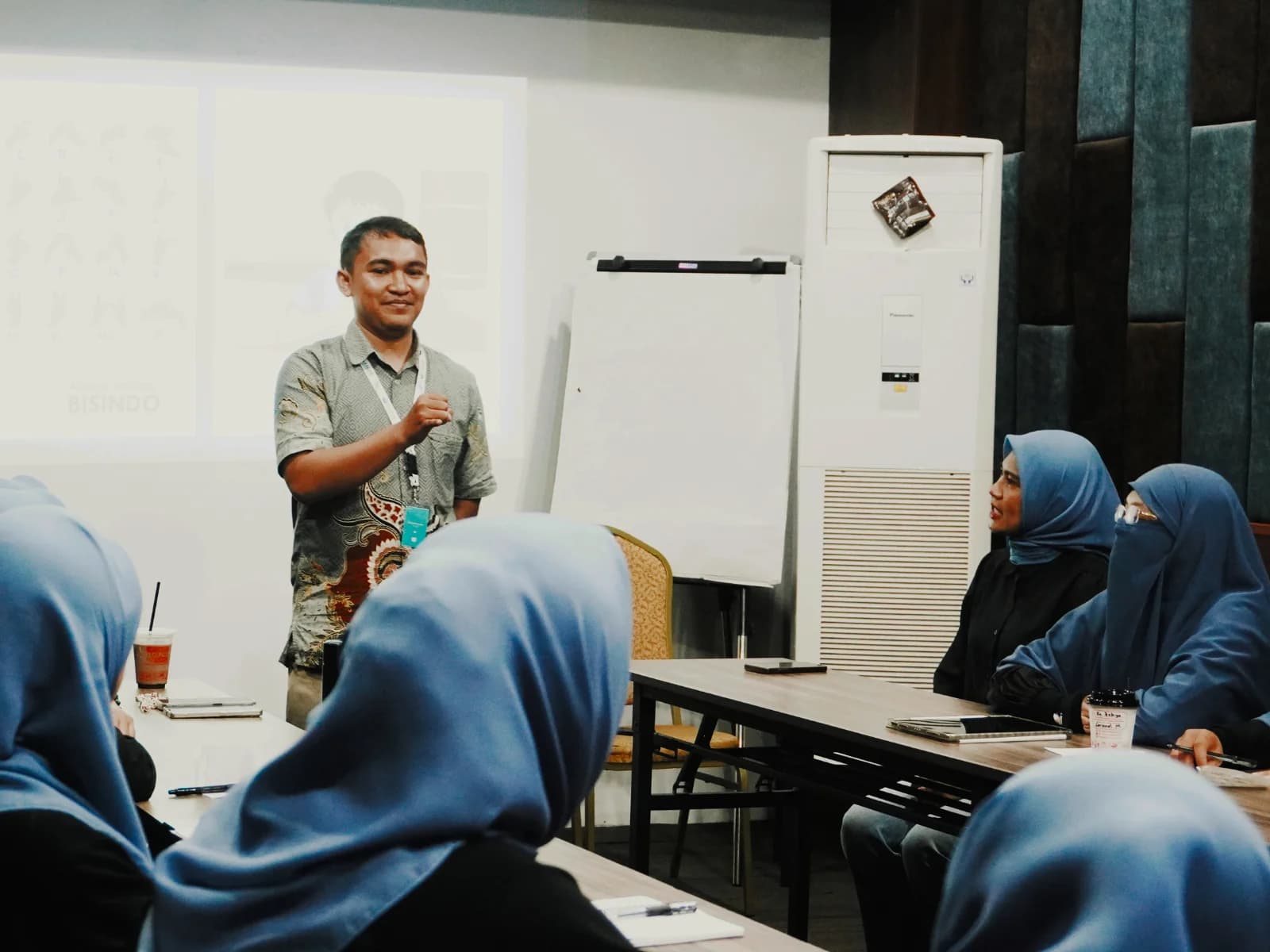
DPMPTSP Pemprov Maluku Utara
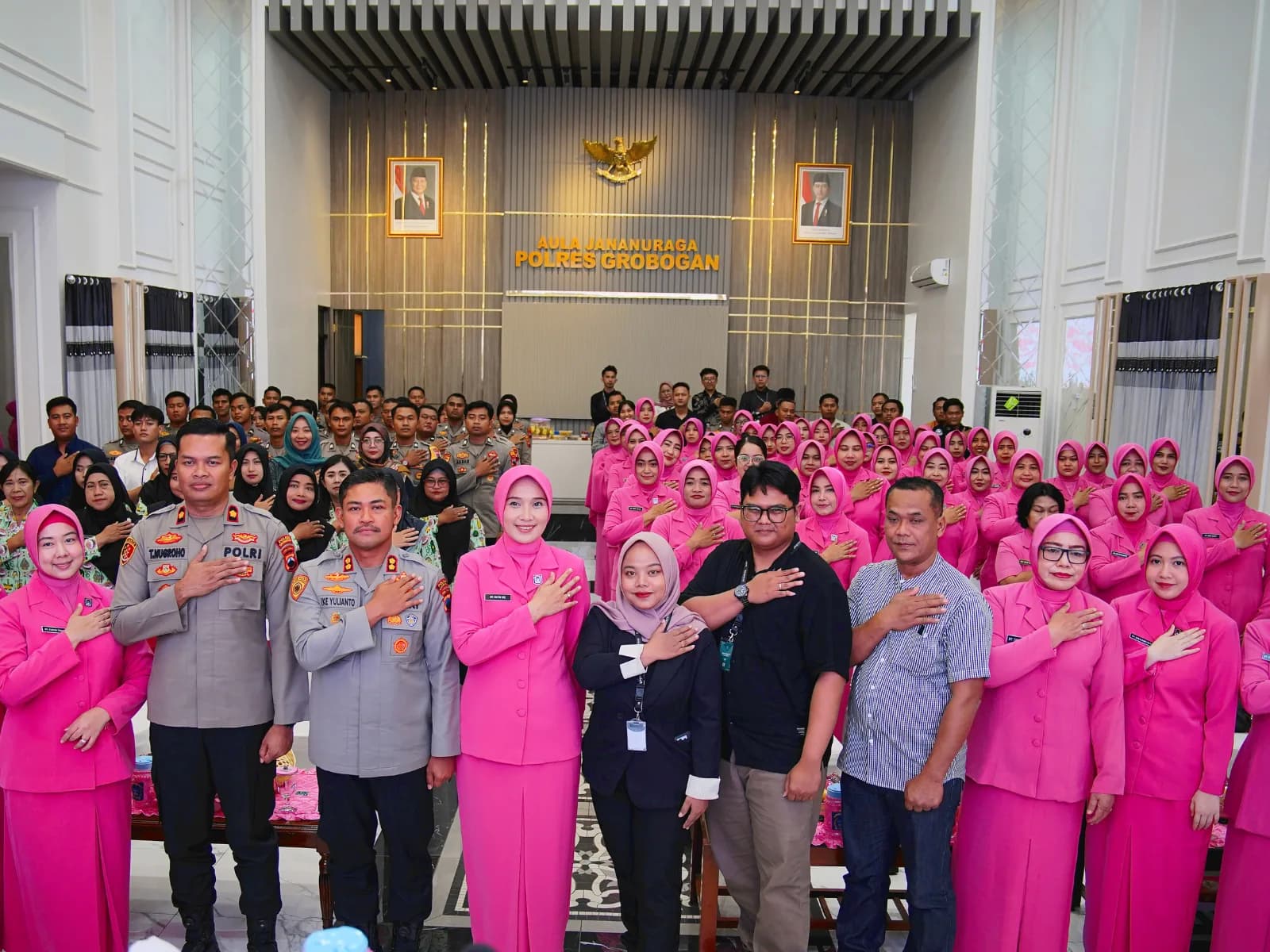
Polres Grobogan
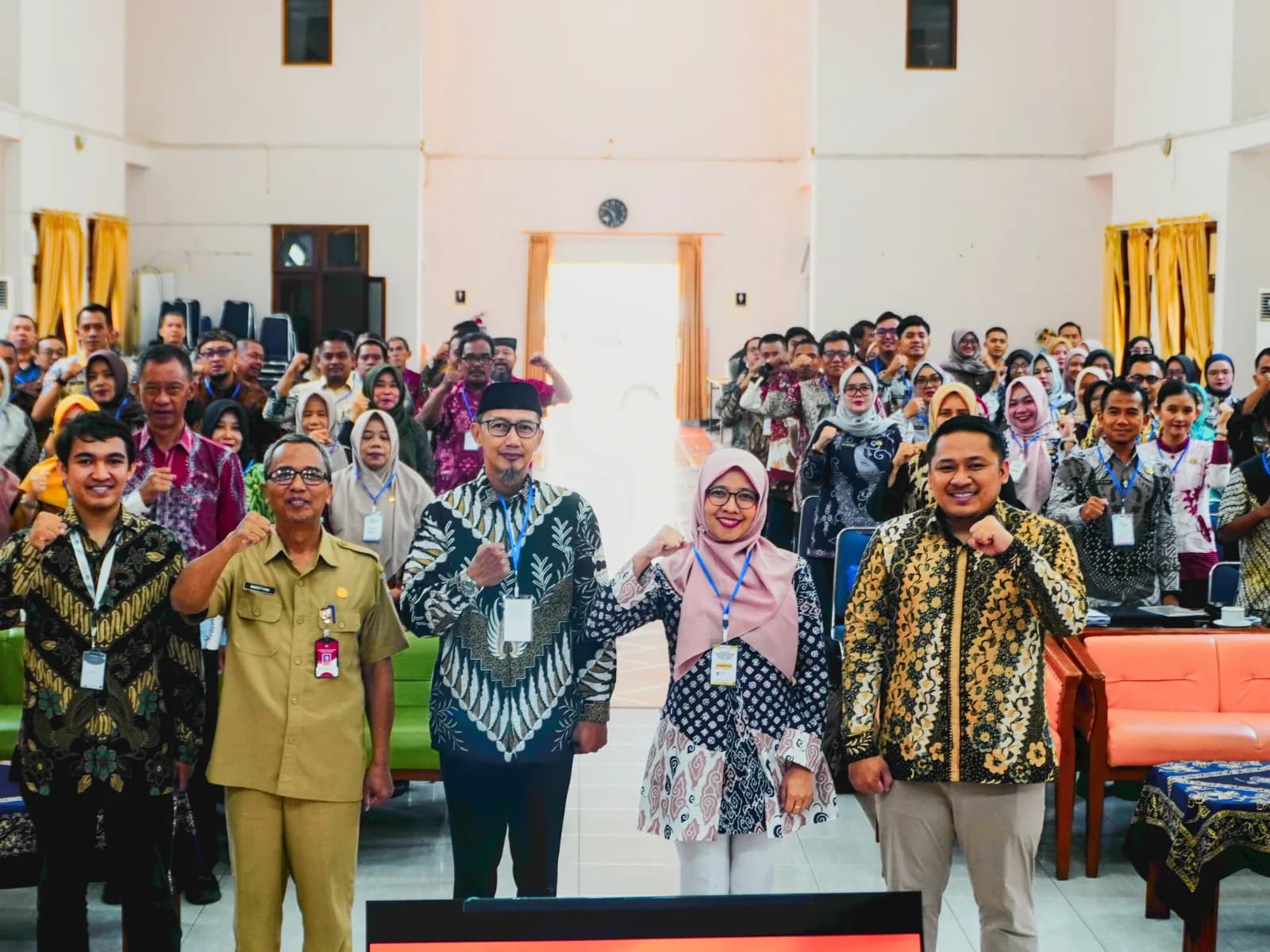
BKPSDM Cirebon
Organizational Change Management
Organizational change management training equips sponsors, change agents, and line managers with a structured discipline to plan, communicate, and execute major change, while managing the people side (resistance, emotional transition, adoption) so business benefits are actually realized. The curriculum is explicitly mapped to Prosci ADKAR (Awareness, Desire, Knowledge, Ability, Reinforcement), Kotter's 8-Step Process, Lewin (unfreeze-change-refreeze), the Bridges Transition Model, and the McKinsey Influence Model, then measured with the Kirkpatrick model.
Measurable Outcomes
Expected Outcomes
Success indicators mapped to Kirkpatrick/Phillips evaluation levels: qualitative targets, set jointly during the TNA against the organization's baseline.
- Adoption moves faster and deeper
- Adoption of the new system/process/behavior reaches ADKAR milestones (Ability & Reinforcement) faster than a no-change-management curve. Read from how quickly affected units take up the new way of working (Kirkpatrick L3).
- Resistance is handled early
- Resistance sources identified & addressed from the Awareness/Desire phase, while there is still room to act before a crisis forms. Visible in complaints reaching change agents earlier than before (Kirkpatrick L3).
- Sponsors speak with one voice
- Active & visible sponsors throughout the change, a condition Prosci research links to far higher success odds (effective sponsors ~79% vs ineffective ~27%). Seen when sponsors carry the same message into staff forums (Kirkpatrick L4).
- A change plan ready to use
- Change plan, stakeholder/sponsor map, change impact assessment, and communication plan validated & ready for the actual initiative. It shows up as the plan documents participants carry home (Kirkpatrick L2 to L3).
- A change agent network takes shape
- A trained change-agent/champion network with a playbook & review cadence the organization can continue itself. Proven by change agents still working after the project closes (Kirkpatrick L3 transfer).
- Monetary value of faster adoption (optional)
- A net-benefit calculation isolating the program's effect (e.g. faster adoption, reduced productivity dip) when finance requires a figure. Rupiah impact is estimated under Phillips L5 if sponsors ask for it.
Program Format
Program Format Options
Chosen by change scale, affected population, and schedule urgency. Finalized after the TNA. A change plan ready for execution is usually finished by the close of the second day. When the change runs long and touches many units, three to twelve months of execution coaching keeps that plan alive until adoption genuinely happens.
Change Planning Workshop (1-2 days)
A guided session building the change plan for one real initiative: ADKAR assessment, stakeholder & sponsor coalition map, change impact assessment, change story & communication plan, and a resistance management plan.
Change Practitioner (2-3 days)
Equips change agents & managers with the full model set (ADKAR, Kotter 8-Step, Lewin, Bridges, McKinsey Influence Model), diagnostic tools, and applied exercises on the organization's own cases.
Execution Coaching (3-12 months)
Periodic coaching while the change runs on a 70-20-10 pattern: ADKAR review clinics, sponsor coaching, live resistance management, and momentum maintenance through to reinforcement.
Integrated Transformation Program (mixed)
A combination of sponsor workshop, practitioner training, and execution coaching in one sequence, synchronized with the transformation project timeline (e.g. ERP/merger go-live).
Free Consultation
Discuss your team's change management program needs
We map your change initiative, key roles, and organizational readiness, then build a proposal & budget estimate grounded in real needs.
Curriculum
Curriculum Framework
Built with ADDIE; final modules curated from the TNA. Topics below are the full coverage that can be activated.
- Why ~70% of transformations fail to meet objectives: external research findings (McKinsey; consistent with Kotter, Leading Change 1996 & A Sense of Urgency 2008)
- The difference between 'change' (the external event) and 'transition' (the psychological process), William Bridges' framework
- The technical side vs the people side of change; why adoption (over installation) determines ROI
- Roots of resistance: Prosci research ranks lack of awareness as the top cause, followed by past failed changes
- Diagnosing organizational & individual readiness (change readiness assessment)
- Lewin's 3 stages: unfreeze - change - refreeze and when this concise model is enough
- Kotter's 8-Step: urgency, guiding coalition, vision, communication, empower, short-term wins, consolidate, anchor in culture
- McKinsey 7S: aligning strategy, structure, systems, shared values, skills, style, staff so change is not 'hollow in the middle'
- Choosing & combining models: when Lewin, when Kotter, when a combination (Bridges overlaid on any technical model)
- The five ADKAR outcomes: Awareness, Desire, Knowledge, Ability, Reinforcement (Jeff Hiatt / Prosci)
- ADKAR assessment: finding the 'barrier point' for each affected group
- Translating ADKAR gaps into specific interventions (not uniform communication for everyone)
- Bridges Transition Model: Ending/Losing/Letting Go - Neutral Zone - New Beginning and how to support each phase
- The transition curve & productivity dip: anticipate, don't be surprised
- Stakeholder mapping & sponsor coalition (Kotter guiding coalition; Prosci research: effective sponsors ~79% vs 27%)
- Change impact assessment by unit, role, and process
- Sponsor roadmap: the primary sponsor's role & sponsorship cascade to line managers
- Change roadmap & cadence; aligning the change timeline with the project timeline (e.g. ERP/merger go-live)
- Change management resourcing & integration with the PMO/project
- The four McKinsey Influence Model building blocks: fostering understanding & conviction, role modeling, reinforcing mechanisms, developing talent & skills
- Crafting the change story: why change, where to, what's in it for them
- Phased communication plan: messages, channels, cadence, and two-way feedback loops
- Managing rumor & uncertainty; transparency that protects trust
- Activating key opinion leaders & a champion network (70-20-10 pattern)
- Diagnosing resistance sources & roots (individual, group, systemic): proactive vs reactive approach
- Coaching line managers as the change leaders closest to the team
- Reinforcement & sustainment: transferring ownership from the change team to business owners (Prosci research: 81% who planned sustainment met/exceeded objectives)
- Measuring & maintaining momentum: adoption leading indicators & review cadence
- Kirkpatrick Level 1-4 & Phillips ROI Level 5 evaluation; an organizational change-capability maturity roadmap
Comparison
Choosing a Program Format
A concise decision matrix. The final recommendation is set after the training needs analysis.
| Aspect | Change Planning Workshop (1-2 days) | Change Practitioner (2-3 days) | Execution Coaching (3-12 mo) | Integrated Transformation Program |
|---|---|---|---|---|
| Primary goal | Change plan for 1 initiative | Change-agent capability | Change execution & sustainment | Measurable multi-initiative transformation |
| Ideal participants | Core team of 1 initiative | Cross-functional change agents/PMO | Sponsors + change agents during execution | Sponsors, agents, & line managers |
| Model depth | ADKAR + stakeholder/communication | ADKAR/Kotter/Lewin/Bridges/McKinsey | Applying models to real cases | Full models + enterprise 7S |
| Evaluation level | Kirkpatrick L1-L2 | Kirkpatrick L1-L3 | Kirkpatrick L1-L4 | Kirkpatrick L1-L4 (+Phillips L5) |
| Best suited for | An imminent initiative | Building a change-agent network | Mergers/ERP/long transformation | Parallel change portfolios |
For Whom
Who Is This Program For?
Structured per role via the TNA, because each role has a different responsibility in making change succeed.
Sponsors & change leaders (executives)
Owners of the change mandate who direct, fund, and become the face of the vision, the role Prosci research shows is most decisive.
Common challenges
- Weak/invisible sponsorship: the sponsor thinks announcing is enough, then disappears
- No sponsor coalition; change is seen as an 'IT/HR project' standing outside the leadership priority list
- Change loses momentum mid-way with no reinforcement
Change agents, PMO & transformation office
Executors of the change plan who need a structured method and consistent tools.
Common challenges
- No structured method: change is handled ad hoc & intuitively
- Resistance handled reactively once it becomes a crisis without anticipation from ADKAR awareness/desire
- Hard to align the change timeline with the project timeline (ERP/merger)
Line managers & people leaders
The change leaders closest to the team: they decide whether employees truly adopt.
Common challenges
- Teams are anxious, resist, or 'pretend to comply' (compliance without genuine adoption)
- Productivity drops during transition (the dip) with no anticipation & support
- No language & tools to manage the team's emotional transition (Bridges)
HR/HC, L&D & People Development teams
Designers & owners of change capability who must be accountable to leadership.
Common challenges
- Generic content irrelevant to the company's actual change initiative
- Hard to prove program impact to management/finance
- No institutionalized internal change-management capability (perpetual vendor dependence)
Industry Context
Use Cases by Industry
One specific use case per industry, naming the change type, the relevant model, and real regulatory/governance context in that vertical.
New core-banking adoption & post-merger/acquisition integration: ADKAR per segment (frontline, operations, treasury), a Kotter guiding coalition at board level, a communication plan that protects customer service during cutover, and resistance management around changing compliance processes.
See in Banking & Financial Services context →Organizational restructuring & culture transformation: change management that turns the AKHLAK core values, especially 'Adaptif' (adaptability), into real behavior that operates above slogan level. A cross-directorate sponsor coalition, auditable communication, and an adoption trail for director accountability and internal/BPK examination.
See in State-Owned Enterprises (BUMN) context →Multi-plant ERP/MES implementation & production-process change: change impact assessment per plant, a per-shift champion network, productivity-dip management at go-live, and reinforcement so new SOPs are actually used (not a reversion to old ways after hypercare).
Electronic medical record (EMR) adoption & clinical SOP change: ADKAR for very busy medical & administrative staff, a narrative that respects clinical workload, and resistance management without disrupting patient safety & continuity of care.
See in Healthcare & Pharmaceuticals context →Bureaucratic reform & public-service digitalization: Kotter urgency & guiding coalition at agency-leadership level, change communication to civil servants across units, and reinforcement so change does not stall when officials rotate.
See in Government & Public Sector context →Operational transformation, energy transition, or business-model change: McKinsey 7S to align strategy-structure-systems, change management for field & corporate teams, and a sponsor coalition that keeps safety culture intact throughout the transition.
See in Energy & Resources context →Delivery Method
Delivery
Format adapts to team distribution and operational schedule; every format is applied practice on your real change initiative, replacing a passive theory lecture.
In-house on-site
Facilitator comes to the office/training venue; an intensive workshop building the change plan & ADKAR assessment for the company's real change initiative.
Live online
Interactive class via Zoom/Teams with breakouts building artifacts (stakeholder map, change story), screen-share review, and session recording.
Hybrid
On-site sessions for the intensive workshop & sponsor alignment, followed by online clinics/coaching while the change executes (70-20-10 pattern).
Engagement Flow
Engagement Path
From diagnosis to change that sticks: qualitative durations, adapted to transformation scale & urgency.
Training Needs Analysis & Change Readiness
Mapping the change initiative, affected groups, organizational/individual readiness, and current sponsorship strength. Output: a needs profile + a measurement baseline.
Initial stageProgram Design (ADDIE)
Defining learning objectives, a per-role syllabus (sponsor/agent/manager/People), case studies from your real initiative, and a model map (ADKAR/Kotter/Lewin/Bridges/McKinsey).
Before deliverySponsor Alignment & Workshop
The sponsor coalition is prepared first (Kotter guiding coalition); the workshop builds the change plan, ADKAR assessment, stakeholder map, and change story for the actual initiative.
First wavePractitioner & Line-Manager Training
Equipping change agents/PMO with the full model set & tools, and line managers with how to guide team transition (Bridges): 70-20-10 pattern.
Rolling per batchExecution Coaching & Resistance Management
Periodic ADKAR clinics, sponsor coaching, and support when real resistance arises while the change runs; maintaining momentum through to reinforcement.
During executionEvaluation, Reinforcement & Institutionalization
Kirkpatrick L1-L4 evaluation (Phillips L5 on request), ownership transfer to business owners, and an organizational change-capability maturity roadmap.
After & ongoingCase Studies
Typical Outcome Patterns
Indicative impact patterns based on similar program structures. Illustrative, with no named clients or promised numbers. External benchmarks (e.g. McKinsey, Prosci) are cited as industry research references and stand separately from Neksus result claims.
A financial-services institution implementing a new core system
Intervention
Change planning workshop + ADKAR assessment + sponsor coalition alignment + a change-agent network
Result
Resistance mapped & addressed from the awareness/desire phase; sponsors visibly active throughout cutover; faster new-process adoption than a no-change-management pattern
Multi-plant manufacturing, ERP/MES rollout
Intervention
Change practitioner + execution coaching (70-20-10) + a per-shift plant champion network
Result
Transition productivity dip anticipated & contained; new SOPs still used post-hypercare because reinforcement was planned from the start
An agency/state-owned enterprise, restructuring & culture transformation
Intervention
Sponsor workshop + a continuous program + a change story aligned to the AKHLAK 'Adaptif' value
Result
A cross-directorate sponsor coalition formed; the change has an auditable communication & adoption trail for leadership accountability
Procurement Info
Information for Procurement & Vendor Management
What procurement, finance, legal, and the transformation office need.
Structured proposal: measurable learning objectives, syllabus, model map (Prosci ADKAR/Kotter/Lewin/Bridges/McKinsey Influence Model), facilitator profiles, schedule, and a TNA-based cost breakdown.
TNA-based: flat per program, per session, per participant, tiered, or custom. No standard figure without a needs analysis; an estimate follows the TNA.
Flexible terms (deposit + balance / per-batch or per-coaching-phase terms); tax invoice (PPN/VAT) and PO documentation support available.
Familiar with state-owned-enterprise/agency procurement stages: vendor documents, e-procurement, owner's estimate/bid, and compliance clauses.
Kirkpatrick Level 1-3 evaluation report (attendance, assessment, exercise & change-plan artifact quality); Phillips ROI Level 5 on finance request.
NDA signing and confidentiality clauses; exercises use internal change initiatives in a confidentiality-protected discussion environment.
The change plan, stakeholder map, and change story built for the company belong to the company; training-material usage rights are agreed in the contract.
FAQ
Frequently Asked Questions
Next Step
Discuss your team's change management program needs
We map your change initiative, key roles, and organizational readiness, then build a proposal & budget estimate grounded in real needs.
- Proposal, syllabus, and a model map (ADKAR/Kotter/Lewin/Bridges/McKinsey)
- Procurement-ready documents (company profile, tax ID, NDA, VAT invoice)
- Kirkpatrick impact measurement (Phillips ROI on request)
Organizational Change Management training for your Manufacturing team
We map your change initiative, key roles, and organizational readiness, then build a proposal & budget estimate grounded in real needs.
- Proposal, syllabus, and a model map (ADKAR/Kotter/Lewin/Bridges/McKinsey)
- Procurement-ready documents (company profile, tax ID, NDA, VAT invoice)
- Kirkpatrick impact measurement (Phillips ROI on request)