Cloud Basics Training for the Banking & Financial Services Sector
Banks in Indonesia adopt cloud under OJK supervision. POJK 11/POJK.03/2022 and SEOJK 29/SEOJK.03/2022 require IT risk management for cloud computing: vendor assessment, specific data residency, exit strategy, and cyber controls. Technical teams need to master AWS/Azure/GCP basics, an OJK-auditable landing zone, and FinOps discipline because banking workloads (core, internet banking, mobile, analytics) are significant in cost and service-critical.
- 4.9/5 · 287 reviews
- 300+ clients nationwide
- 2,000+ trainers
- 1 to hundreds of participants
- Standard · Premium · Private 1-on-1
- format
- In-house / online / hybrid
- duration
- 4 intensive days per cohort
- participants
- 10–25 per cohort
- language
- Indonesian / English
2,000+ trainers and experts
Our group's teaching network, matched to what your team needs.
See class documentationYou see your trainer first
The trainer's profile, track record and field come with the proposal, before you decide.
4.9 out of 5
287 participant reviews.
300+ clients nationwide and 180,000+ private training sessions completed. Among them: MPR RI, Akademi Militer Magelang, DPRD Provinsi Jawa Timur.
One person to hundreds
Private coaching for one participant, a class for one team, or several cohorts at once.
Three budget levels
- Standard: core class, material fitted to the participants’ work
- Premium: senior trainer, deeper material design
- Private 1-on-1: one participant, one trainer, schedule set by the participant
Why Cloud Basics for IT Teams is different in Banking & Financial Services
Banks in Indonesia adopt cloud under OJK supervision. POJK 11/POJK.03/2022 and SEOJK 29/SEOJK.03/2022 require IT risk management for cloud computing: vendor assessment, specific data residency, exit strategy, and cyber controls. Technical teams need to master AWS/Azure/GCP basics, an OJK-auditable landing zone, and FinOps discipline because banking workloads (core, internet banking, mobile, analytics) are significant in cost and service-critical.
- Landing zone & guardrail coverageApplied across all production & non-production accounts/subscriptions
- FinOps discipline (tagged spend ratio)Nearly all spend tagged per product/team
- OJK examination findings on cloud ITNo material findings in the next cycle
- POJK 11/POJK.03/2022 Commercial Bank IT Risk Management
- SEOJK 29/SEOJK.03/2022 Commercial Bank Cyber Resilience & Security
- UU PDP No. 27/2022 — customer data
- ISO/IEC 27001:2022 — cloud controls
- CIS AWS / Azure / GCP Benchmarks
- AWS Well-Architected Financial Services Lens
- Bank CIO / Head of IT
- Head of Cloud Center of Excellence
- Enterprise Architect
- Head of IT Security / CISO
- Head of IT Risk
- Head of FinOps / Cost Governance
- Bank engineering teams master AWS/Azure/GCP shared responsibility and can map it to POJK controls
- Bank landing zone designed with account/subscription, identity, network, logging structure that is auditable
- Baseline CIS Benchmarks hardening applied to production and non-production accounts
- FinOps discipline in place: cost tags, budgets, monthly per-product/digital-channel reviews
- Compliance documentation (shared responsibility, residency, exit strategy) ready for OJK examination
Quick Answer
Corporate Cloud Foundation training is an in-house program that equips technical teams with AWS, Azure, and GCP essentials (networking, identity, compute, storage, security, and cost), guided by AWS Well-Architected 6 pillars, the FinOps Framework, NIST SP 800-145, and CIS Benchmarks, so cloud adoption is fast, safe, and cost-disciplined.
Guided by industry-recognized cloud frameworks
The material follows AWS Well-Architected (6 pillars), Azure Well-Architected, Google Cloud Architecture Framework, NIST SP 800-145 (the official cloud definition), CIS Benchmarks (hardening), FinOps Framework (cost), and Cloud Adoption Framework (landing zone), the frameworks cloud vendors and independent auditors themselves reference.
Without FinOps, enterprise cloud spend escalates fast
Unmanaged cloud workloads typically carry 20–35% wasted spend (idle resources, over-provisioning, logs without lifecycle, suboptimal savings plans). The FinOps module establishes discipline that can be reported to the CFO before the board blocks new cloud investment.
Adoption pattern: disciplined single-cloud before multi-cloud
For most Indonesian enterprises, single-cloud executed with strong landing zones, FinOps, and Well-Architected is more sensible than premature multi-cloud. Multi-cloud becomes relevant only with strong reason (regulator residency, critical resilience, unique service combinations).
Clients & Documentation
Some of the institutions we have trained
Photos from sessions we have delivered, each one named after the institution it belongs to.
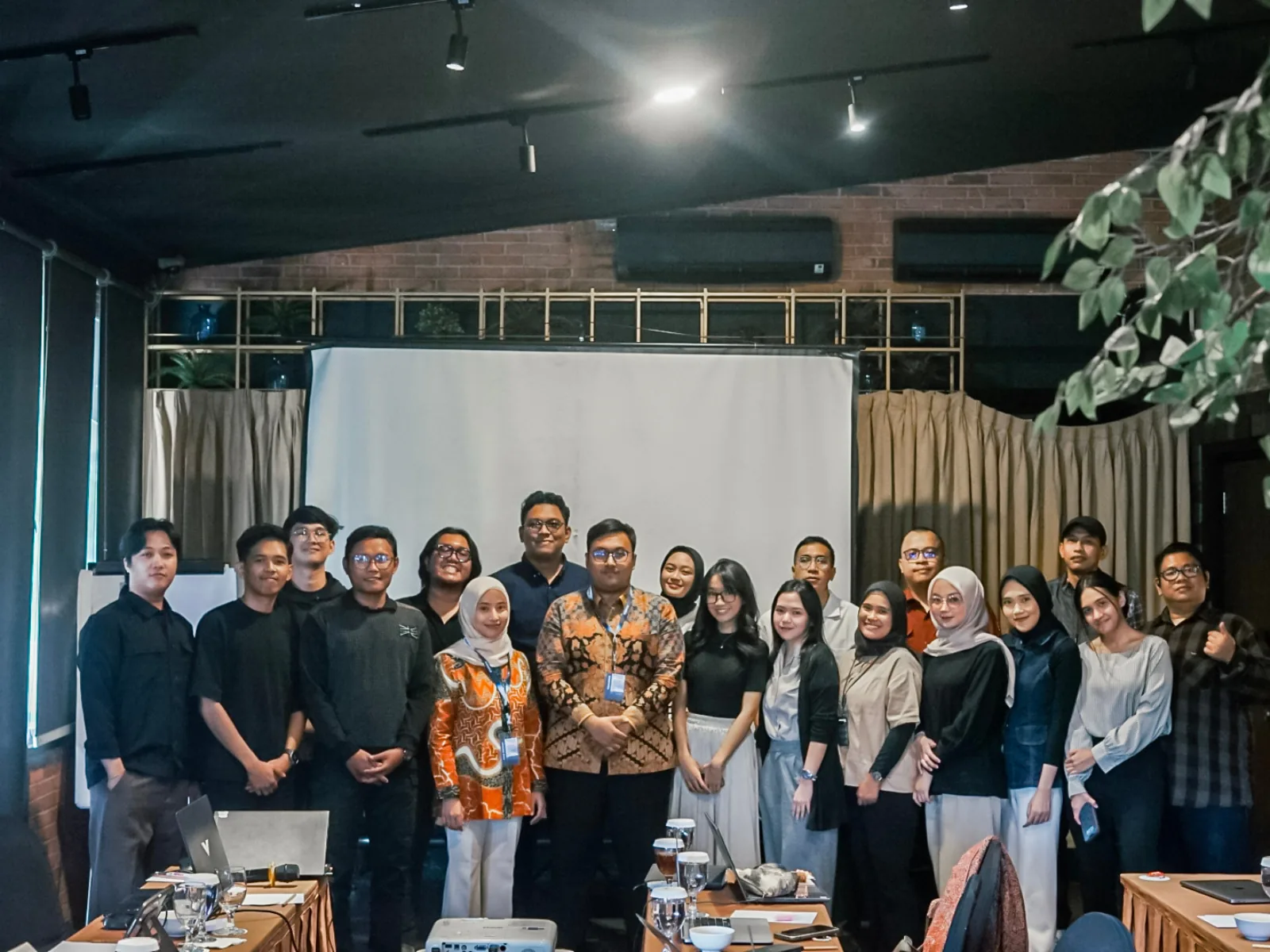
MPR RI
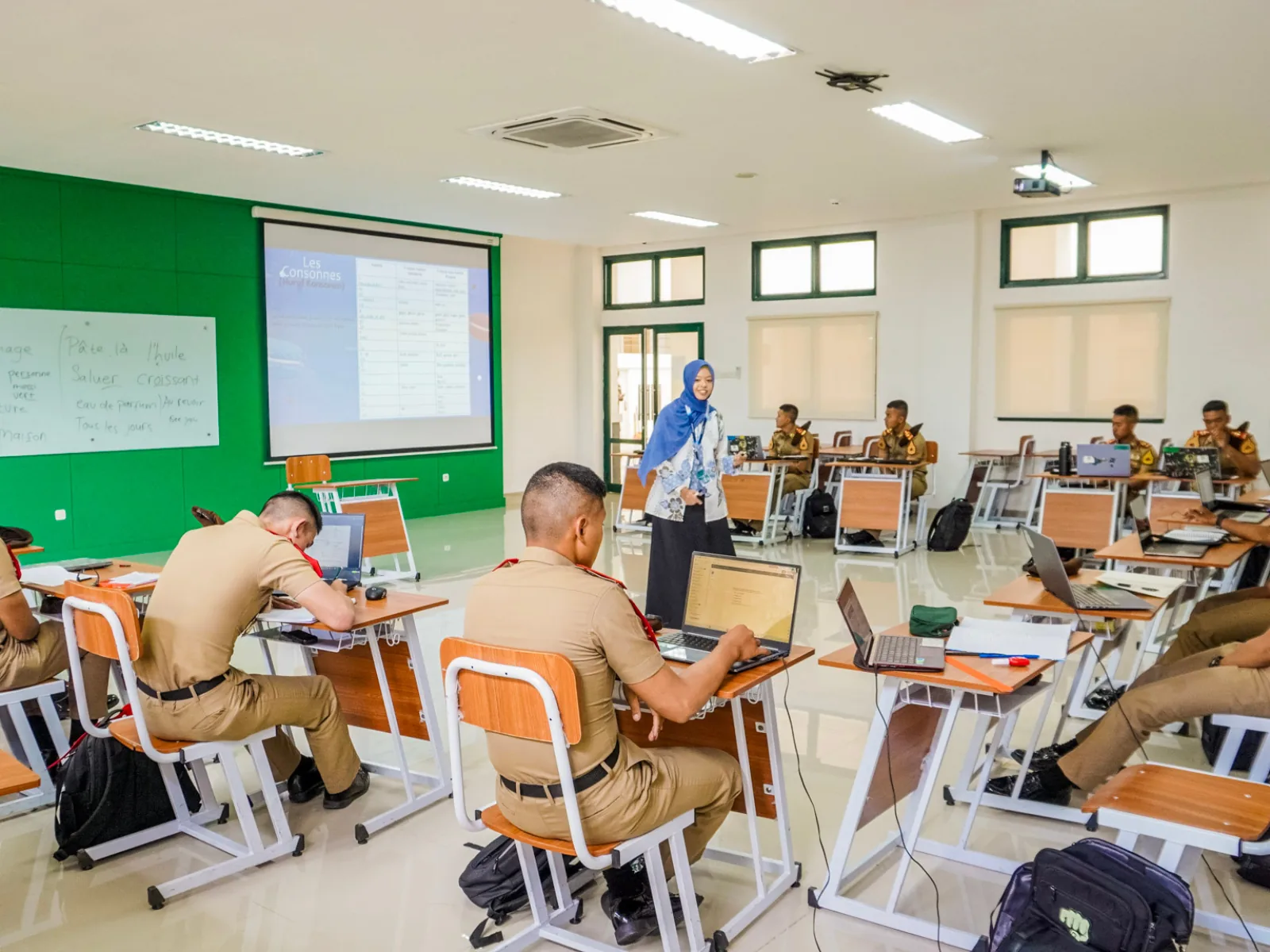
Akademi Militer Magelang
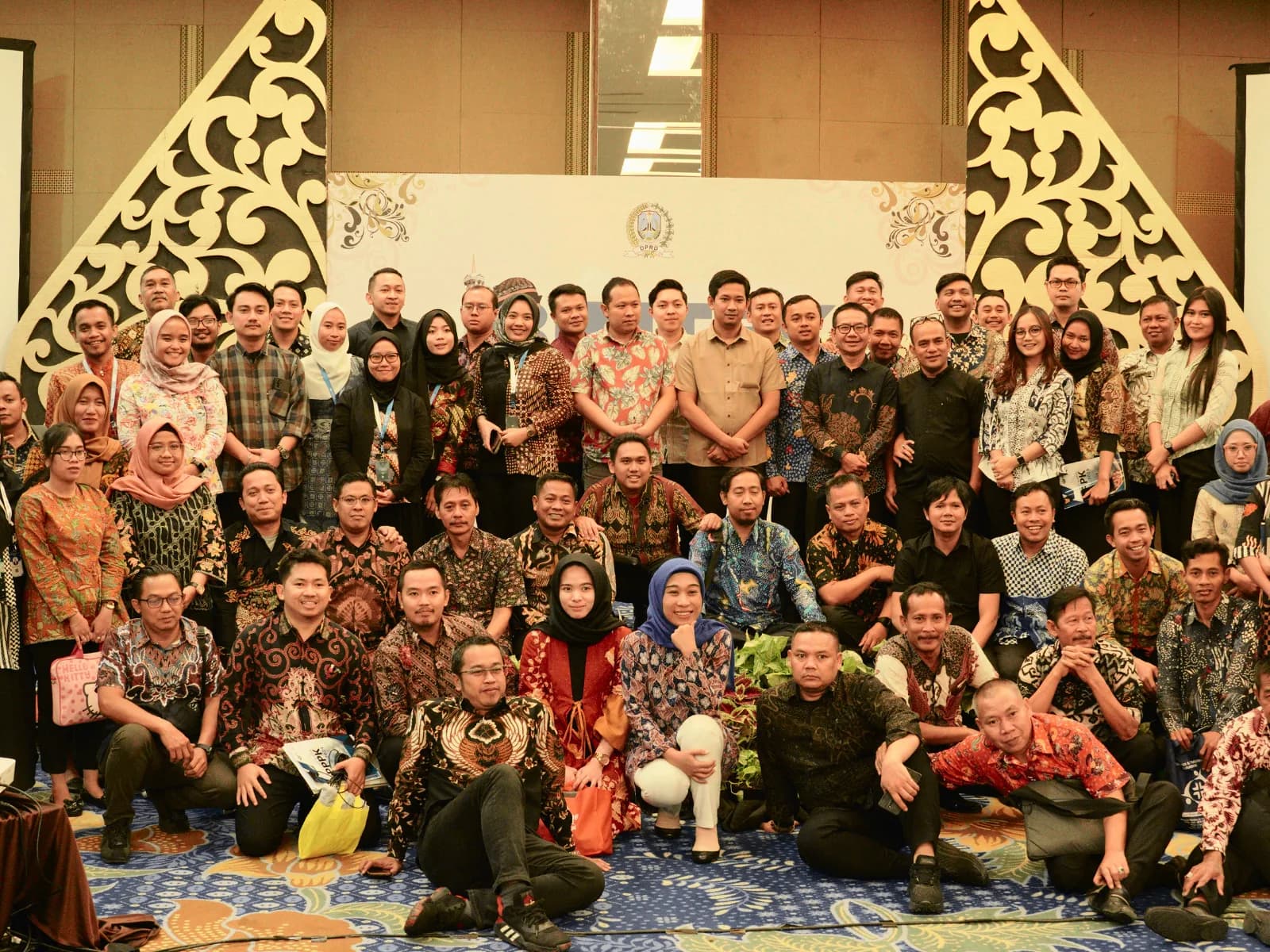
DPRD Provinsi Jawa Timur
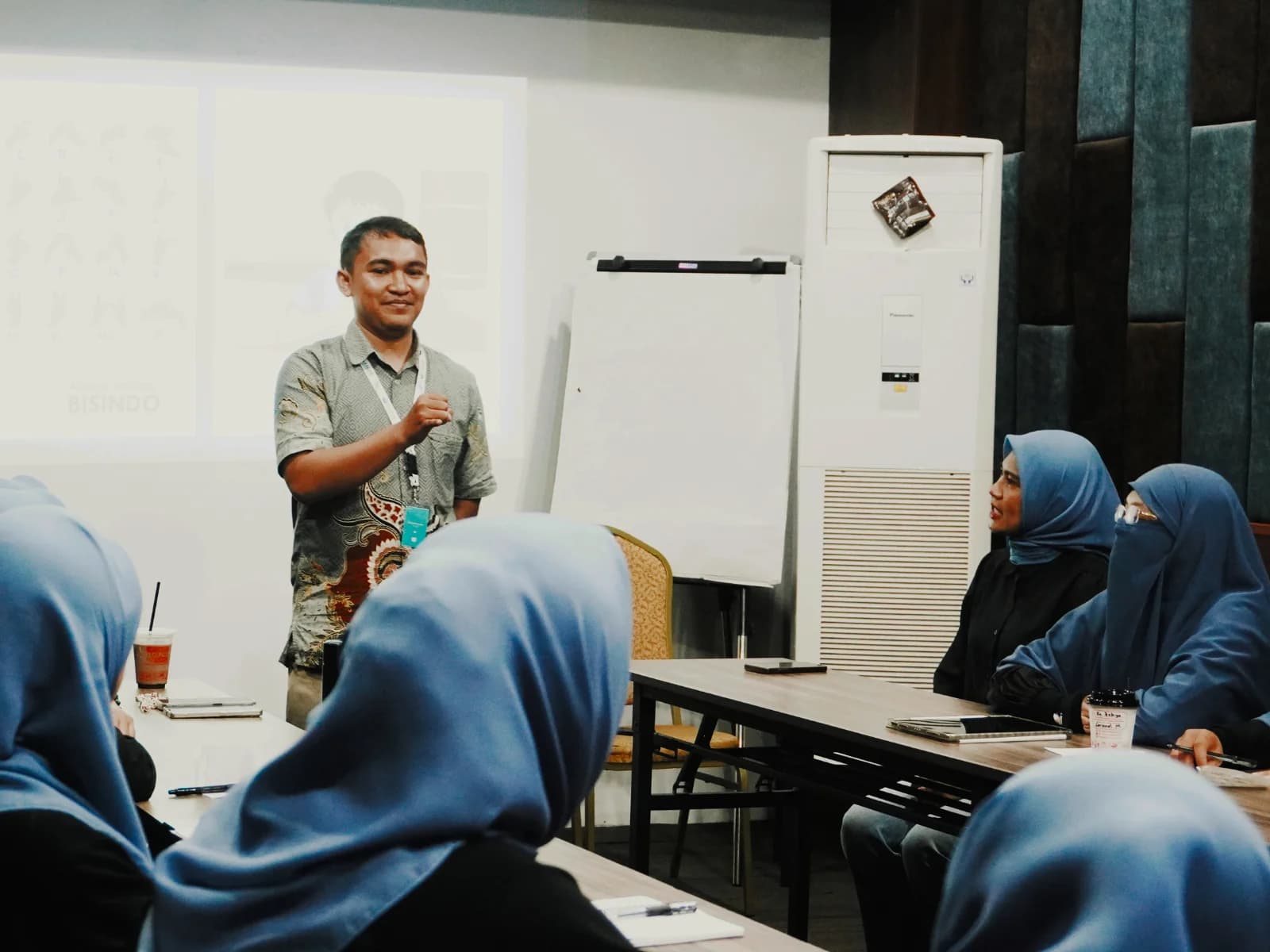
DPMPTSP Pemprov Maluku Utara
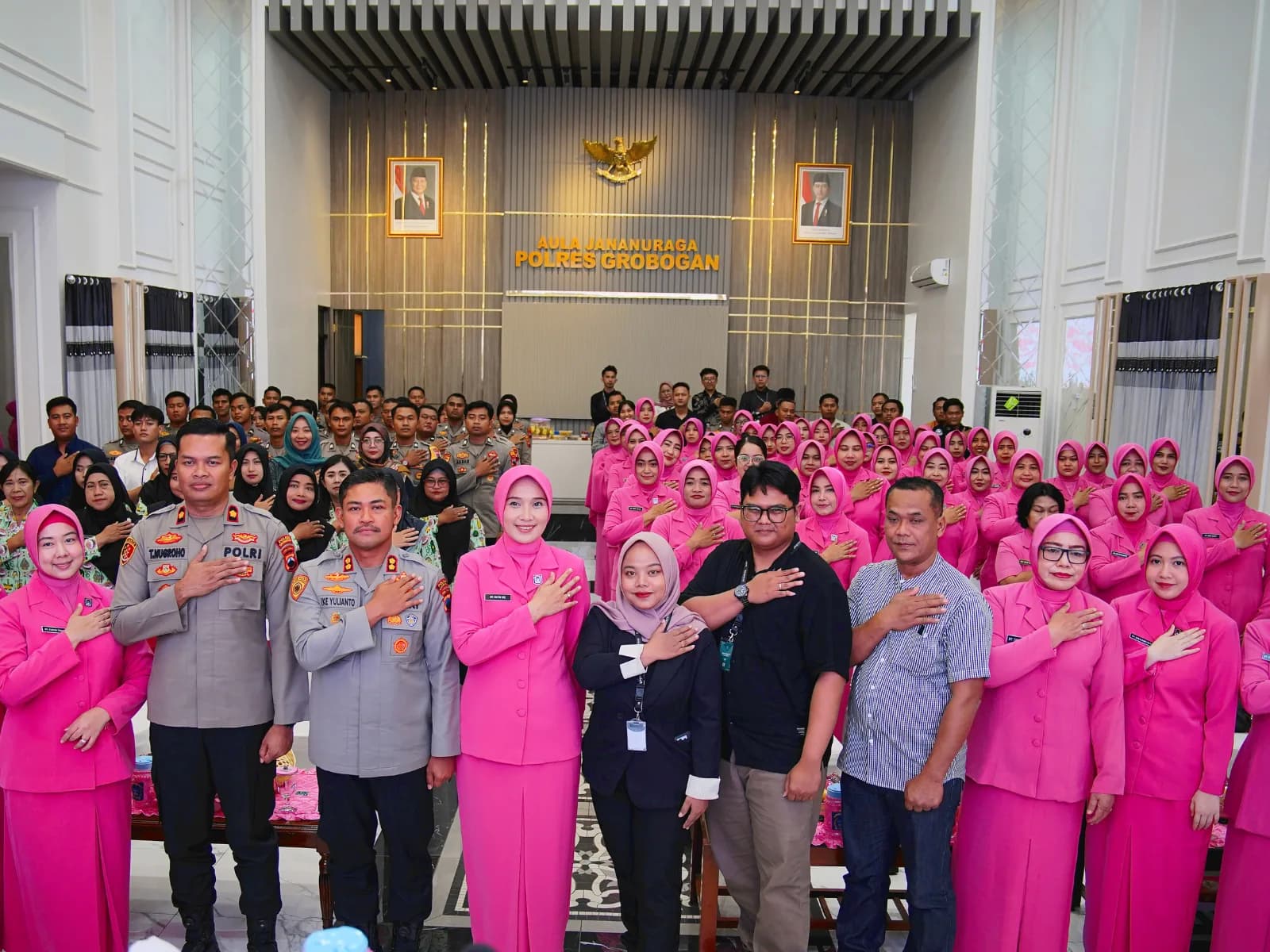
Polres Grobogan
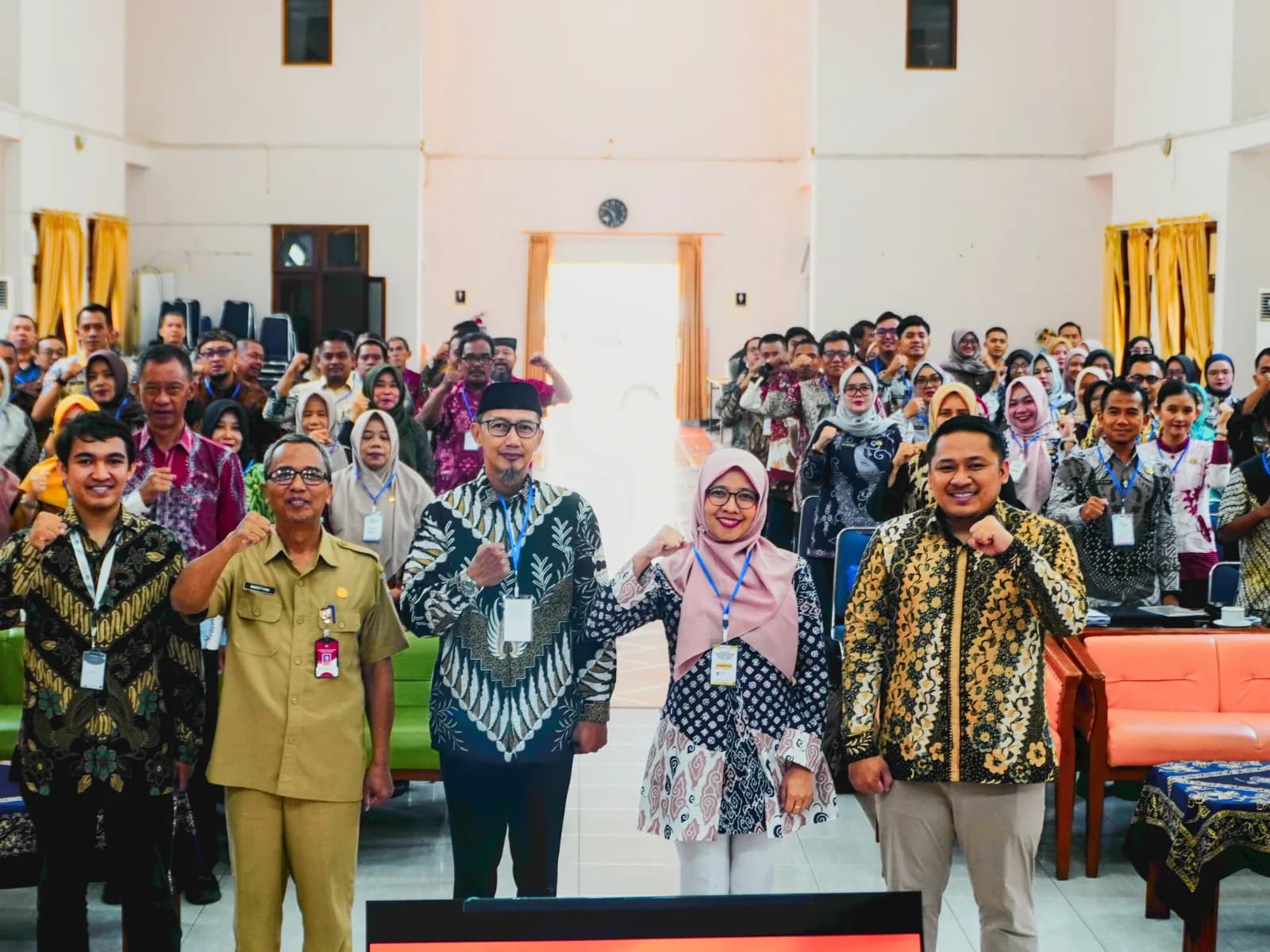
BKPSDM Cirebon
Cloud Basics for IT Teams
Corporate cloud foundation training is an in-house program that equips technical and operations teams with AWS, Microsoft Azure, and Google Cloud essentials (service models, networking, identity, storage, observability, security, and cost), mapped to AWS Well-Architected 6 pillars, Azure Well-Architected, Google Cloud Architecture Framework, NIST SP 800-145, CIS Benchmarks, and the FinOps Framework, with landing zone and guardrail practice aligned to the Cloud Adoption Framework.
Measurable Outcomes
Expected Outcomes
Indicators mapped to Kirkpatrick levels and Well-Architected pillars: qualitative targets, set jointly during TNA against your baseline.
- Cloud concepts understood across the team
- Most participants pass knowledge assessment on service models (IaaS/PaaS/SaaS per NIST 800-145), VPC/VNet networking, IAM, and storage tiers. Judged through a core services assessment at the close of the class (Kirkpatrick L2).
- Designs follow good practice
- Participants complete a Well-Architected review on one internal workload across 6 pillars (Operational Excellence, Security, Reliability, Performance, Cost, Sustainability). Visible in the architecture designs reviewed together (Kirkpatrick L3).
- Baseline hardening is applied
- Baseline guardrails confirmed (root account protection, MFA, CIS Benchmarks baseline, encryption-at-rest enabled) on lab accounts. Seen in the account configuration participants tidy up (Kirkpatrick L3).
- The cloud bill comes under control
- Tagging strategy, budgets, and per-team/product cost dashboards defined; participants can read cost & usage reports. Progress is read on the Inform phase of the FinOps Framework.
- A landing zone ready to build
- Team has a draft landing zone (account/subscription/project structure, identity, network, logging) aligned to the Cloud Adoption Framework. The design follows the Cloud Adoption Framework (CAF).
- Monetary value of the cost savings (optional)
- Estimated savings from rightsizing, savings plans, and idle-resource elimination, with isolated training effect when finance requests numbers. Savings translate into rupiah using Phillips L5 for finance.
Program Format
Program Format Options
Chosen by your cloud-adoption stage, finalized after TNA. Enough grounding to start working in the cloud is in place once those four days close. Organizations mid-migration generally attach a two to four month phased programme so the landing zone and cost discipline get built alongside.
Cloud Essentials Bootcamp (3–5 days)
Intensive AWS/Azure/GCP essentials bootcamp: NIST 800-145 concepts, networking, IAM, compute, storage, observability, security & cost basics. Hands-on labs in sandbox accounts.
Well-Architected Review Workshop
Consultative workshop: participants bring a real workload, facilitator guides a Well-Architected review across 6 pillars with prioritized recommendations as output.
Landing Zone & Guardrail Design
Consultative session designing a landing zone (accounts/subscriptions structure, identity, hub-spoke network, logging, guardrails) aligned to the Cloud Adoption Framework.
Recurring FinOps Enablement
Recurring program (monthly/quarterly): reading cost & usage reports, rightsizing sessions, savings plan/commitments review, and a cross-team FinOps cadence.
Free Consultation
Discuss your team's cloud adoption plan
We map vendors, roles, cloud adoption stage, and your regulatory obligations, then build a proposal and budget based on real needs.
Curriculum
Curriculum Framework
Designed via ADDIE; final modules curated by target vendor (AWS / Azure / GCP), role, and maturity level from TNA. Topics below represent the full activatable coverage.
- NIST SP 800-145 definition: IaaS, PaaS, SaaS + 5 essential characteristics (on-demand, broad network access, resource pooling, rapid elasticity, measured service)
- Public vs private vs hybrid vs multi-cloud: when each makes sense
- AWS / Azure / GCP shared responsibility model: what the vendor owns vs what you own
- Geography: region, availability zone, edge location. Impact on latency & data residency (UU PDP)
- Introduction to Cloud Adoption Framework (Microsoft CAF + AWS CAF) as an adoption roadmap
- Virtual networks: AWS VPC, Azure VNet, GCP VPC. Subnets, route tables, peering, transit gateway / Virtual WAN
- Hybrid connectivity: VPN, AWS Direct Connect, Azure ExpressRoute, GCP Interconnect
- Identity & access: AWS IAM + IAM Identity Center, Entra ID + Azure RBAC, Google Cloud IAM
- Least privilege & break-glass principles; mandatory root/owner protection + MFA
- Service control policies (AWS Organizations), Azure Policy, GCP Organization Policy as guardrails
- Compute: VMs (EC2 / Azure VM / Compute Engine), containers (ECS/EKS, AKS, GKE), serverless (Lambda, Functions, Cloud Run)
- Storage: object (S3, Blob, GCS), block (EBS, Managed Disks, Persistent Disk), file (EFS, Files, Filestore). When to use which
- Storage classes & lifecycle (S3 Standard / IA / Glacier and equivalents) for cost control
- Managed databases: RDS / Aurora, Azure SQL / Cosmos DB, Cloud SQL / Spanner / BigQuery. Operational vs analytical fit
- Observability basics: CloudWatch, Azure Monitor + Log Analytics, Cloud Logging + Cloud Monitoring
- CIS Benchmarks AWS / Azure / GCP as the technical hardening baseline
- Encryption at rest & in transit; KMS / Key Vault / Cloud KMS; key rotation policies
- Logging & audit: CloudTrail + Config, Azure Activity Log + Defender for Cloud, Cloud Audit Logs + Security Command Center
- Posture management: AWS Security Hub, Microsoft Defender for Cloud, Security Command Center Premium
- Alignment to UU PDP No. 27/2022 (personal data), data residency, and sectoral policies (POJK, BSSN) where relevant
- FinOps Framework (FinOps Foundation): 3 phases Inform → Optimize → Operate and 6 core principles
- AWS/Azure/GCP billing anatomy: cost allocation tags/labels, cost & usage report, BigQuery billing export, Cost Management + EA agreement
- Savings strategies: rightsizing, scheduling (auto stop/start), spot/preemptible, savings plans / reserved instances / committed use discounts
- Common anti-patterns: idle resources, over-provisioning, single-instance databases, log retention without lifecycle
- Showback & chargeback per team/product; monthly cost review cadence & FinOps anomaly detection
- AWS Well-Architected 6 pillars: Operational Excellence, Security, Reliability, Performance Efficiency, Cost Optimization, Sustainability
- Azure Well-Architected Framework: Reliability, Security, Cost Optimization, Operational Excellence, Performance Efficiency
- Google Cloud Architecture Framework: 6 perspectives (operational, security & privacy, reliability, cost, performance, system design)
- Landing zones: AWS Control Tower / Landing Zone Accelerator, Azure landing zone CAF, GCP Cloud Foundation Toolkit
- Migration patterns: 6 R's (rehost, replatform, repurchase, refactor, retain, retire). When each is appropriate
Comparison
Choosing Vendor & Training Format
Concise decision matrix. Final recommendation set after training needs analysis.
| Aspect | Cloud Essentials Bootcamp | Well-Architected Review Workshop | Landing Zone & Guardrail Design | Recurring FinOps Enablement |
|---|---|---|---|---|
| Primary goal | Build concept foundation + labs | Mature an existing workload | Standardize accounts & guardrails | Cost discipline & accountability |
| Ideal participants | Teams new to / expanding cloud | Teams already running, need review | Pre-migration or multi-team | Cloud spend already significant |
| Typical duration | 3–5 intensive days | 2–3 day workshop | 1–2 week consulting | Monthly / quarterly |
| Main output | Concept mastery + certificate | Prioritized 6-pillar recommendations | Landing zone reference + guardrails | Tagging, dashboard, FinOps cadence |
| Core framework used | NIST 800-145 + Well-Architected basics | Full Well-Architected 6 pillars | Cloud Adoption Framework + CIS | FinOps Framework 3 phases |
For Whom
Who This Program Is For
Designed by role because cloud adoption challenges differ across functions.
Application developers & engineers
Teams building services on cloud (web, API, mobile backend, data pipelines).
Common challenges
- Unclear which compute to pick (VM vs container vs serverless) for real workloads
- Not yet fluent with cloud-safe network, IAM, and secret management patterns
- Costs balloon from idle resources, logs without lifecycle, and over-provisioned databases
Operations / SRE / Platform engineers
Teams running, monitoring, and securing the platform for all application teams.
Common challenges
- Hard to standardize landing zones & guardrails across teams (each team rolls its own)
- Fragmented observability: logs, metrics, traces not connected
- Patching, scaling, disaster recovery lack consistent repeatable patterns
Security & Compliance
Teams ensuring cloud adoption aligns with regulations & internal controls.
Common challenges
- Shared responsibility not yet mapped to internal controls (ISO 27001, POJK, UU PDP)
- CIS Benchmarks not applied consistently across accounts/subscriptions/projects
- Audit logs scattered across accounts and missing centralization for forensics / examinations
Architects & Tech Leads
Owners of system design and the patterns used by many teams.
Common challenges
- No shared Well-Architected vocabulary for trade-off discussions
- Hard to decide single vs multi-cloud appropriate for Indonesian context
- 6 R's migration not yet used as a workload-by-workload decision framework
Technical executives (CIO / CTO / Head of Eng)
Owners of cloud investment decisions and cost accountability to the board.
Common challenges
- Monthly cloud bills rise without per-team/product visibility
- No FinOps discipline that can be reported to the CFO
- Cloud adoption roadmap not yet built using the Cloud Adoption Framework
Industry Context
Industry Applications
One specific use case per industry, naming real workflows, regulations, and architecture patterns.
Bank cloud adoption with a landing zone meeting POJK 11/POJK.03/2022 (commercial bank IT risk management) and SEOJK 29/SEOJK.03/2022 (cyber security), including shared-responsibility documentation, customer data residency aligned with UU PDP, and exit-strategy readiness for the regulator.
Standardizing landing zone & FinOps across product teams at a fast-growing technology company, so cloud costs stay controlled, guardrails are uniform, and onboarding new teams is fast without lowering security posture.
See in Technology & Startups context →Holding-scale cloud foundation across subsidiaries with governance auditable by BPK/SPI, uniform landing zone, and consistent UU PDP compliance documentation across entities.
See in State-Owned Enterprises (BUMN) context →Cloud foundation for manufacturing plants & corporate functions with production analytics, IoT/OT data lakes, and ERP integration needs, with FinOps discipline because IoT ingestion costs balloon quickly.
See in Manufacturing context →Cloud foundation for government agencies running SPBE with landing zones that consider citizen-data residency (UU PDP public sector), BSSN guidance, and SPBE Index audit readiness.
See in Government & Public Sector context →Cloud foundation for hospitals & health networks with modern SIMRS, BPJS/insurance integration hubs, and clinical analytics, with patient data protected per UU PDP (specific personal data) and KARS accreditation readiness.
See in Healthcare & Pharmaceuticals context →Delivery Method
Delivery
Format adapts to your technical team distribution; all formats are hands-on in cloud sandbox accounts.
On-site intensive & workshop
Facilitator comes to your office for a 3–5 day bootcamp; labs in cloud sandbox accounts, Well-Architected review of an internal workload, and landing zone exercises.
Live online + managed labs
Interactive classes via Zoom/Teams for distributed teams; labs run in AWS/Azure/GCP sandbox accounts provided by Neksus or your internal accounts.
Hybrid
On-site for consultative modules (Well-Architected review, landing zone design); online for concepts & labs. Suits multi-location teams.
Engagement Flow
Engagement Path
Follows ADDIE + Cloud Adoption Framework: qualitative durations, scaled to your size & target vendor.
Training Needs Analysis & Adoption Position
Mapping primary vendors, roles, cloud adoption stage (greenfield/migration/scale), critical workloads, regulatory obligations, and measurement baseline. Output: needs profile + lab scope.
Initial stageProgram Design by Role (ADDIE)
Drafting measurable learning objectives, role-based syllabi (dev/ops/security/architect/executive), lab scenarios, and framework map to Well-Architected, FinOps, CIS.
Pre-deliveryCloud Essentials Bootcamp
Core 3–5 day session: NIST 800-145 foundations, networking, IAM, compute, storage, observability, security & cost basics. Hands-on labs in sandbox accounts.
Core weekWell-Architected Review of Internal Workload
Team brings a real workload; facilitator guides a 6-pillar review, producing prioritized recommendations the team can execute themselves.
Post-bootcampLanding Zone & Guardrail Roll-out
Consultative workshop designing landing zone (accounts/subscriptions/projects, identity, network, logging, guardrails via SCP/Azure Policy/Org Policy) aligned to CAF.
Rolling per teamFinOps Cadence & Recurring Evaluation
Monthly/quarterly cadence: per-team/product cost review, rightsizing, savings plans, and Kirkpatrick L1–L4 evaluation (Phillips L5 on request). Institutionalize cloud discipline.
Recurring & continuousCase Studies
Typical Outcome Patterns
Illustrative patterns based on similar program structures. No named clients or promised numbers. FinOps and Well-Architected practices reference FinOps Foundation and AWS/Azure/GCP as industry sources.
Financial institution with engineering teams across many digital products
Intervention
Cloud essentials bootcamp by role + landing zone workshop per CAF + initial FinOps session
Result
Uniform landing zone in place, baseline CIS Benchmarks posture applied, and FinOps started reporting to the board
Fast-growing technology company with early multi-cloud presence
Intervention
Well-Architected review per workload + IaC paved-road + SaaS FinOps
Result
Uniform patterns across engineering teams, per-unit cost declined, and new team onboarding accelerated
BUMN holding with many subsidiaries at varying cloud adoption
Intervention
Subsidiary CIO/CTO bootcamp + holding landing zone + FinOps dashboards across entities
Result
Consistent cloud governance patterns across subsidiaries and cloud spend reported to the holding
Procurement Info
Information for Procurement & Vendor Management
What procurement, finance, legal, and information security teams need.
Structured proposal: measurable learning objectives, role-based syllabus, framework map (NIST SP 800-145 / AWS-Azure-GCP Well-Architected / CIS Benchmarks / FinOps Framework / Cloud Adoption Framework / UU PDP / POJK if relevant), facilitator profile, schedule, and TNA-based cost detail.
TNA-based: flat per program, per session, per participant, tiered, or custom. No standard numbers without needs analysis; estimates issued after TNA is agreed.
Flexible terms (DP + balance / per-batch installments); tax invoice (PPN) and PO documentation supported.
Familiar with BUMN/government procurement: vendor documentation, e-procurement / SPSE, HPS/offers, and compliance clauses.
Kirkpatrick L1–L3 evaluation reports (attendance, knowledge assessment, lab & Well-Architected review behaviors); Phillips ROI L5 on finance/risk request (FinOps savings estimates).
NDA signing, confidentiality of participant data & internal workloads brought into Well-Architected reviews, and practices aligned with UU PDP and your internal security policy.
Scenarios, landing zone references, and reports built for your company are yours; usage rights of training materials are agreed in the contract.
FAQ
Frequently Asked Questions
Next Step
Discuss your team's cloud adoption plan
We map vendors, roles, cloud adoption stage, and your regulatory obligations, then build a proposal and budget based on real needs.
- Proposal, role-based syllabus, and framework map (Well-Architected / FinOps / CAF / CIS)
- Labs in sandbox accounts with budget guardrails; internal workload review option
- Procurement-ready documents (company profile, NPWP, NDA, PPN tax invoice)
Cloud Basics for IT Teams training for your Banking & Financial Services team
We map vendors, roles, cloud adoption stage, and your regulatory obligations, then build a proposal and budget based on real needs.
- Proposal, role-based syllabus, and framework map (Well-Architected / FinOps / CAF / CIS)
- Labs in sandbox accounts with budget guardrails; internal workload review option
- Procurement-ready documents (company profile, NPWP, NDA, PPN tax invoice)