Corporate Training for the Energy Sector: Oil & Gas, Power & Mining
We support HR, HSE, OT/IT, and operations teams at oil & gas, power, and mining companies to translate K3 ESDM, SMK3, ISO 45001, NIST 800-82, IEC 62443, and ISO 50001 mandates into tangible team capability — from head office to field sites.
- 4.9/5 · 287 reviews
- 300+ clients nationwide
- 2,000+ trainers
- 1 to hundreds of participants
- Standard · Premium · Private 1-on-1
- Critical training axes
- 5Critical training axes
- Primary regulators
- ESDM • Kemnaker • SKK MigasPrimary regulators
- Active topics for this sector
- 9+Active topics for this sector
- Delivery formats
- Onsite to site • Online • HybridDelivery formats
2,000+ trainers and experts
Our group's teaching network, matched to what your team needs.
See class documentationYou see your trainer first
The trainer's profile, track record and field come with the proposal, before you decide.
4.9 out of 5
287 participant reviews.
300+ clients nationwide and 180,000+ private training sessions completed. Among them: MPR RI, Akademi Militer Magelang, DPRD Provinsi Jawa Timur.
One person to hundreds
Private coaching for one participant, a class for one team, or several cohorts at once.
Three budget levels
- Standard: core class, material fitted to the participants’ work
- Premium: senior trainer, deeper material design
- Private 1-on-1: one participant, one trainer, schedule set by the participant
The best corporate training for the energy sector is an in-house program built from a training-needs analysis that maps Permen ESDM 32/2021 K3 migas, PP 50/2012 SMK3, ISO 45001:2018, ISO 14001:2015, ISO 50001, the NIST SP 800-82 Rev 3 and IEC 62443 frameworks (OT cybersecurity), PTK-007 SKK Migas, and RUEN targets into each role's competency — from field operators to HSE directors.
Start with a free consultationClients & Documentation
Some of the institutions we have trained
Photos from sessions we have delivered, each one named after the institution it belongs to.
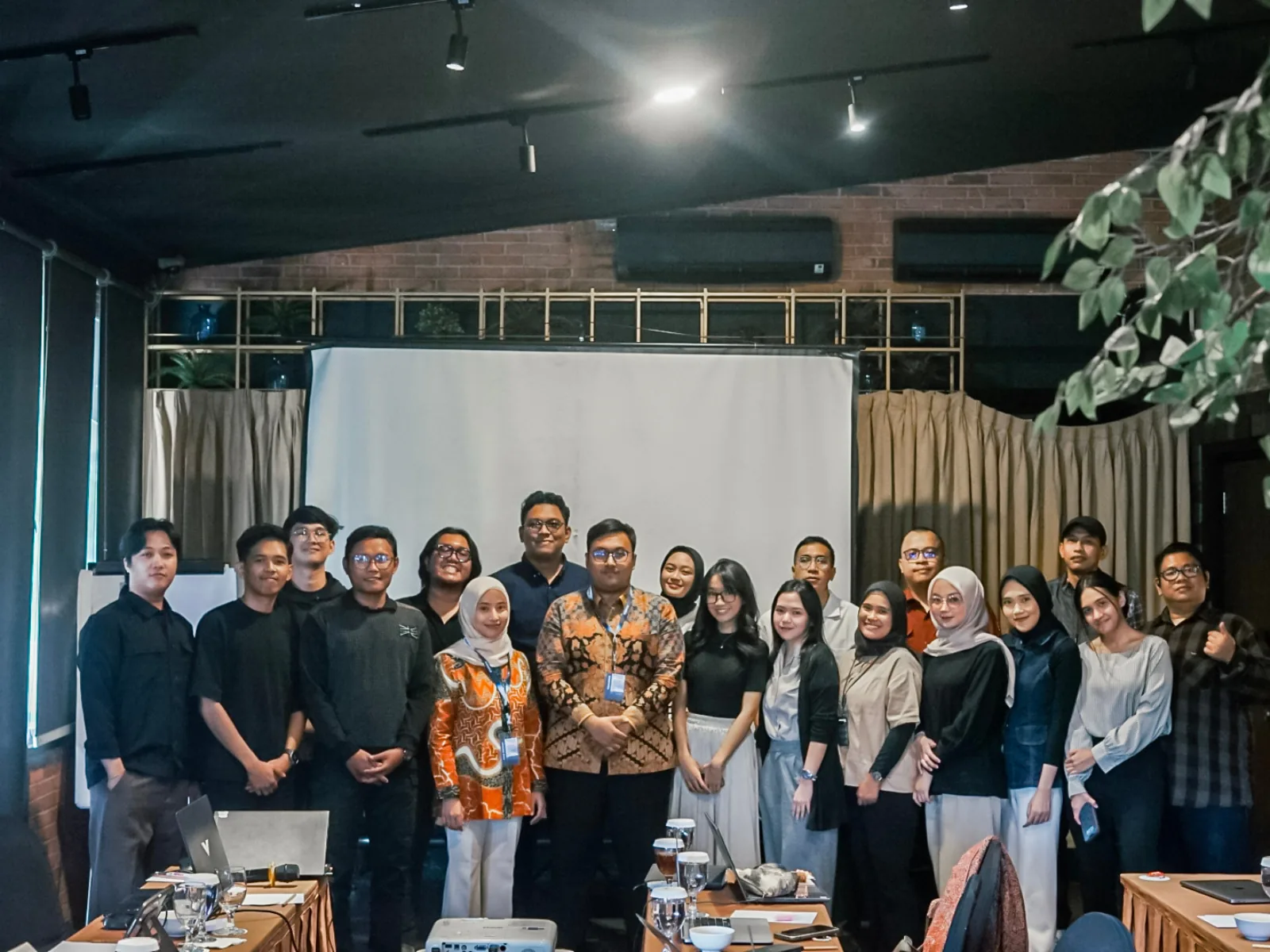
MPR RI
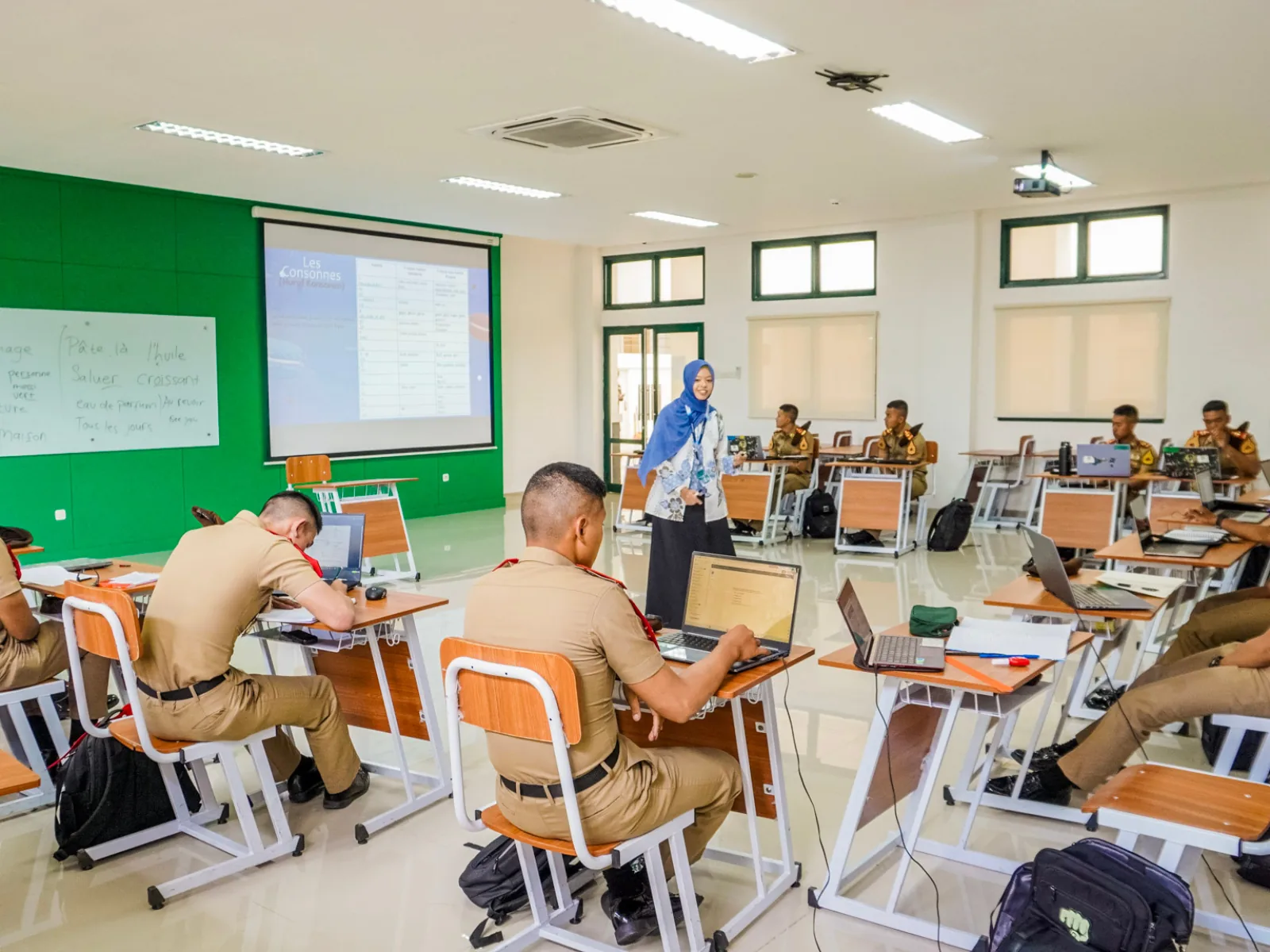
Akademi Militer Magelang
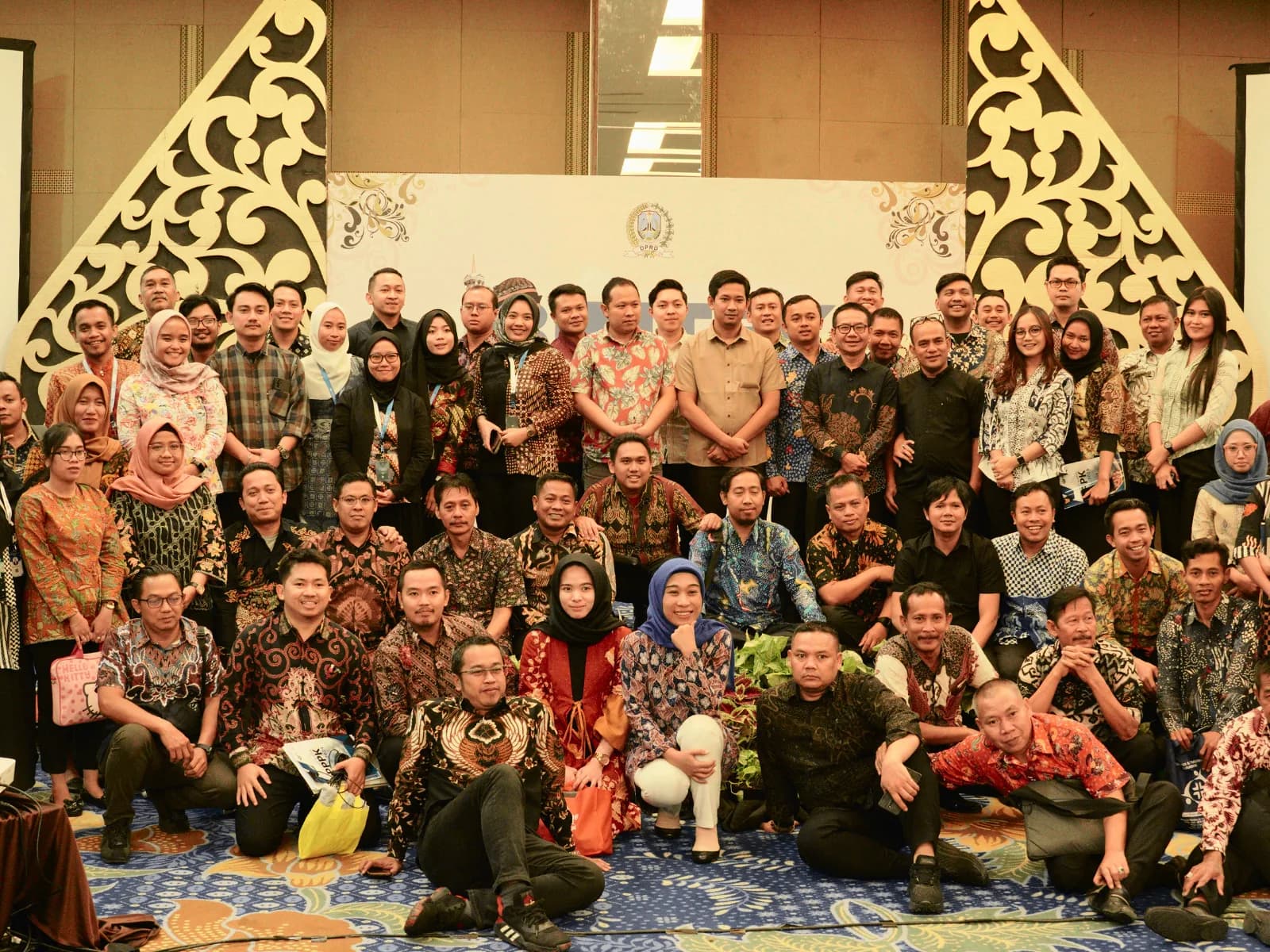
DPRD Provinsi Jawa Timur

DPMPTSP Pemprov Maluku Utara
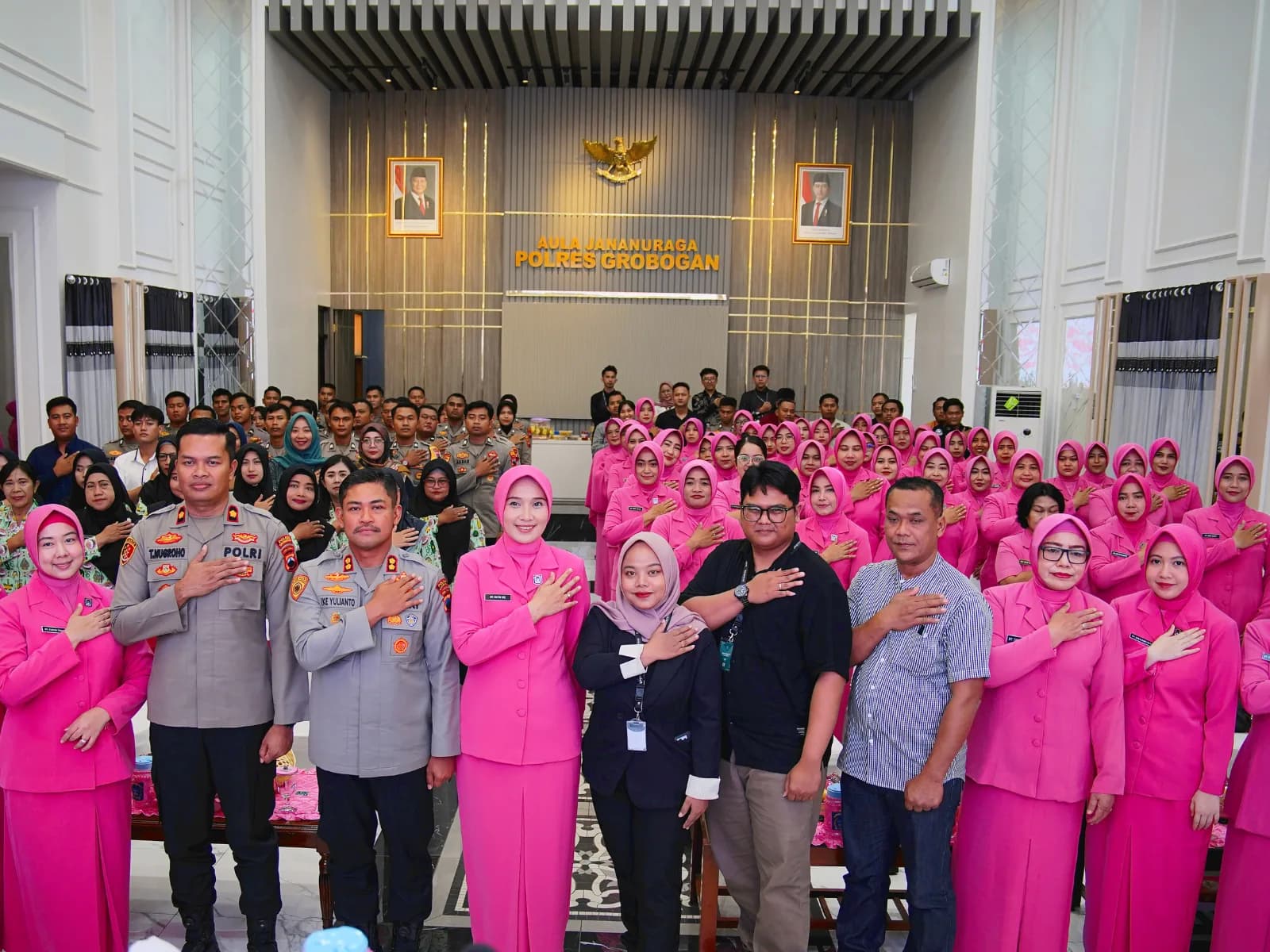
Polres Grobogan
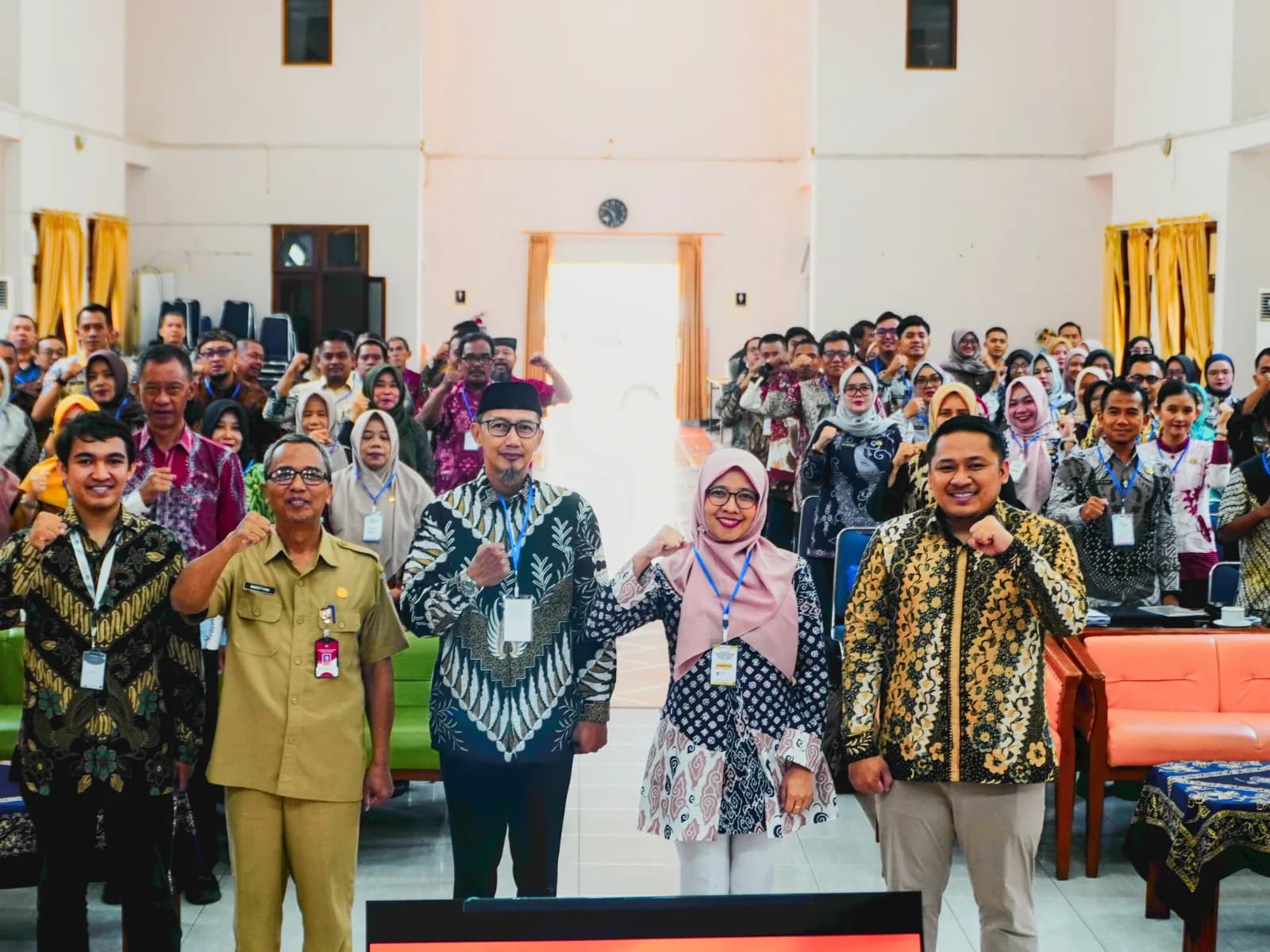
BKPSDM Cirebon
Energy: heavy on regulation, risk, and transformation
Indonesia's energy sector — upstream/downstream oil & gas, power, and mineral and coal mining — operates in environments with high physical risk, strict K3 regulations, and increasing exposure to OT/ICS attacks. At the same time, the energy transition (Perpres 22/2017 RUEN, Perpres 112/2022) forces companies to add ESG, energy efficiency (ISO 50001), and decarbonization capabilities. HR and HSE teams face expectations from Permen ESDM 32/2021 for oil & gas safety, PP 50/2012 for SMK3, ISO 45001:2018 for safety management systems, ISO 14001:2015 for the environment, and PTK-007 SKK Migas for upstream procurement — all while chasing production and service reliability.
- K3 migas and SMK3 must be documented, with annual training records.
- OT/ICS cybersecurity is mandatory after global energy sector incidents.
- The energy transition demands ESG, ISO 50001, and new project management capability.
- Upstream procurement follows PTK-007 SKK Migas; procurement teams need specific competency.
- Trainers must be ready to deploy to site with location safety SOPs.
- Contractors and subcontractors carry most of the hours worked on site, so asset owners assess their HSE competence before mobilisation.
- Rotation patterns and remote locations shape the programme: short modules, schedules that follow the roster, and material that off-swing crews can revisit.
Attacks on OT/ICS in the energy sector escalate from IT risk to life and environmental risk. NIST SP 800-82 Rev 3 (2023) and IEC 62443 are the leading references; awareness and competency programs for OT/IT/security teams are 2026 must-haves.
Permen ESDM 32/2021 governs occupational safety, operations, environment, and installation in oil & gas businesses. K3 curricula need to reference this Permen ESDM, PP 50/2012 SMK3, and ISO 45001:2018, with concrete upstream/downstream case studies.
Investors, lenders, and regulators ask about decarbonization targets, GHG intensity, and energy transition plans (Perpres 112/2022). ESG fundamentals for leaders and ISO 50001 for technical teams are the initial capability typically built into 2026 HR plans.
A low TRIR says little about whether a facility is protected from a major release. API RP 754, whose fourth edition was published in August 2026, sorts process safety indicators into four tiers: Tier 1 and Tier 2 for releases that have already happened, Tier 3 for barriers that were challenged, and Tier 4 for operating discipline and management-system performance. Training for panel operators, process engineers, and shift supervisors works best when all three groups share one vocabulary for barriers, management of change, and permit to work, so that Tier 3 and Tier 4 reports on site actually get filed and read.
The PLN RUPTL 2025–2034 announced by the Ministry of Energy and Mineral Resources plans roughly 69.5 GW of new generation: about 42.6 GW of new and renewable energy, 10.3 GW of energy storage, and 16.6 GW of fossil plant. The ministry also states that the plan will absorb more than 1.7 million new workers. For generators, EPC contractors, and suppliers, thermal operations teams need grounding in solar, wind, geothermal, and battery O&M, while project teams need discipline in grid integration.
Indonesian energy sector in numbers
The macro context shaping energy team capability needs.
Estimated workforce in mining & quarrying, electricity & gas per BPS Sakernas 2024.
Contribution of mining & quarrying + electricity & gas to Indonesia's GDP, based on BPS quarterly GDP.
ESDM for K3 and energy operations, Kemnaker for SMK3, SKK Migas for upstream operations and PTK-007 procurement.
Three most-requested capability clusters: HSE/safety, OT cyber resilience, and the ESG/energy transition agenda.
Regulations and standards shaping energy curricula
We design modules around the official references used by HSE, OT, and ESG auditors.
Regulates occupational safety, operations, environment, and installation in oil & gas activities. Main reference for upstream/downstream safety and migas inspector competency.
Mandates SMK3 for companies meeting certain criteria; SMK3 audits are routine in the energy sector. SMK3 auditor and implementer training stays relevant.
Global OHS standard used by national and multinational energy companies; the audit framework and internal training anchor here.
OT/ICS security guidance, including SCADA, DCS, and PLC. Main reference for OT/IT and cybersecurity training in the energy sector.
International industrial automation cybersecurity standard; basis for engineer, operator, and asset owner training at energy facilities.
Global EMS standard; ESDM/HSE/sustainability training references it to support ESG programs and AMDAL compliance.
Energy efficiency management system; relevant for power plant operators, processing facilities, and energy industrial companies pursuing decarbonization.
National Energy Policy and acceleration of renewable energy development; drives new capability for project, ESG, and policy teams.
Guidelines for KKKS supply chain and contractor procurement; KKKS procurement teams and vendors must master.
The SKK Migas work guideline for health, safety, and environmental protection at production-sharing contractors (KKKS). In practice each KKKS turns it into contractor HSE requirements that run from prequalification to the final job evaluation, so contractor HSE teams need to know what will be checked before mobilisation.
Counts labour, including experts, as part of the domestic component of services. The Directorate General of Oil and Gas held a public consultation on its revision in 2024. Local workforce development and succession plans for expert positions gain a clear business case from this regulation.
Sets competency standards and competency certificates for electricity technical personnel, continuing Permen ESDM 46/2017. Certificates are issued by the certification bodies authorised under this regulation. Corporate training prepares technicians and supervisors before they sit the competency assessment.
Makes the competency standard mandatory for First, Intermediate, and Senior Operational Supervisors (POP, POM, POU). Training and assessment are run by, among others, PPSDM Geominerba. Neksus supports the leadership side of the supervisor role, such as safety conversations, toolbox meetings, and incident investigation, outside that official certification path.
A four-tier framework of process safety indicators used at refineries, petrochemical plants, and gas facilities. The fourth edition keeps the four tiers and updates the direct-cost thresholds for Tier 1 and Tier 2. Relevant to curricula for shift supervisors, process engineers, and the HSE teams that compile reporting.
The ten-year electricity supply plan, adding roughly 69.5 GW, split into about 27.9 GW in 2025–2029 and 41.6 GW in 2030–2034. Competence maps for generation, transmission, and EPC teams are best sequenced to follow these phases.
The energy transition investment and policy document prepared by the JETP Secretariat. Its just transition framework includes standards on affected workers and economic diversification, and the government has set up a JET Skills Desk to coordinate training. Companies winding down coal assets need a worker reskilling plan they can defend to lenders and stakeholders.
Expected outcomes for energy sector teams
Competency targets typically designed with HR, HSE, OT, and operations.
Training delivery options for the energy sector
A quick matrix for HR, HSE, OT/IT, and procurement at energy companies.
| Criterion | Generic in-house | Open public training | Average training vendor | Neksus for energy sector ★ |
|---|---|---|---|---|
| Mapping to K3 ESDM, SMK3, ISO 45001, NIST 800-82 | Depends on internal curriculum; often lags latest revisions. | Generic material; thin oil & gas/power/mining focus. | Brief socialization; rarely cites standard numbers. | Each module mapped to the relevant clauses/standards and packaged as audit evidence. |
| Trainer profile | Internal staff; workload limits material updates. | Generalist trainers without site hours. | Freelance pool; inconsistent quality. | HSE, OT/IT, ESG, and PMO practitioners with real hours at oil & gas/power/mining sites. |
| Site readiness & safety SOPs | Depends on internal capability. | None — open class. | Often reluctant to go to site; logistics not ready. | Willing to deploy to site with PPE, induction, SIMPER, and location safety SOPs. |
| Role-based personalization (operator, supervisor, engineer, leader) | Single curriculum for everyone. | None — open class. | Light retitling; same content. | Per-role TNA; field operator modules differ from engineer and board-level classes. |
| Procurement readiness (PTK-007, SPSE BUMN, VAT, BAST) | Not relevant. | Individual invoice; rarely energy-sector documents ready. | Variable; often requires renegotiation. | Complete docs for PTK-007, SPSE BUMN, corporate e-procurement, VAT, e-invoice, and BAST per phase. |
| Fit with shift rosters and remote sites | Class schedules follow head office; rotational workers often miss out. | Fixed dates; off-roster workers have to spend their rest days. | One schedule for every crew. | Modules split along the client's roster (for example a two weeks on, two weeks off pattern), with recordings and short handouts for crews who could not attend. |
Engagement path with Neksus for the energy sector
Six standard stages from first inquiry to audit-ready final report.
- 1
Day-0 inquiry
0–1 dayHR, HSE, or OT/IT sends needs via form or email. We respond with initial clarifications and a discussion slot.
- 2
Training-needs analysis (TNA)
5–10 business daysStakeholder interviews, HIRARC and JSA review, competency map, and related regulations (Permen ESDM, PP 50/2012, ISO, NIST/IEC). Output: per-role needs map and target outcomes.
- 3
Proposal & program design
5–10 business daysTechnical and commercial offer: curriculum, trainer profile, schedule, format (onsite-to-site/online/hybrid), Kirkpatrick measurement, and PTK-007/SPSE BUMN administrative package.
- 4
Training delivery
1 day–8 weeksDelivered by practitioner trainers with oil & gas/power/mining case studies, HSE simulations, OT/IT labs where relevant, and onsite-to-site logistics support.
- 5
Post-training measurement & coaching
4–12 weeksPost-tests, on-site application observation, follow-up coaching for HSE supervisors, engineers, and PMOs.
- 6
Final report & audit documents
1–2 weeksKirkpatrick L1–L4 report, participant list, certificates, supporting documents for SMK3, ISO 45001/14001/50001 audits, and ESDM/SKK Migas inspections.
Target roles at energy companies
Each role faces different competency pressures. The Neksus TNA design starts there.
Stewarding TRIR, LTIFR targets, and K3 ESDM/SMK3 compliance across sites while sustaining safety culture quality.
Maintaining production and service reliability while preparing the team for energy transition and asset modernization.
Building OT/ICS resilience per NIST SP 800-82 and IEC 62443, managing incidents, and developing certified staff.
Running K3 programs, JSA, and audits on site with rotating contractor teams.
Aligning asset reliability, energy efficiency (ISO 50001), and the decarbonization agenda.
Managing megaprojects with PMBOK 7th Ed + agile hybrid across EPCs and stakeholders.
Producing ESG reports, decarbonization targets, and energy transition plans that withstand audit.
Managing procurement per PTK-007 and corporate/SPSE BUMN e-procurement with tight vendor risk.
Assesses the HSE readiness of many contractors through thick document packs, while contractor crews change with every mobilisation and induction has to be repeated.
Holds safety accountability at the working face, often promoted from operator without preparation for running toolbox meetings, correcting unsafe behaviour, or writing investigation reports.
Oversees technicians who must hold competency certificates, while also preparing the team for new assets such as solar, batteries, and substation automation.
Builds handover plans from expatriate experts to local staff, with development evidence that can be shown during reviews of the foreign worker utilisation plan and domestic component calculations.
Priority topics for the energy sector
Neksus' curated picks based on HSE, OT cyber, energy transition, and procurement pressures.
Employee Cybersecurity Awareness
Cyber awareness for head office staff and site teams, with a dedicated module for OT operators interacting with SCADA/DCS.
Secure Software Delivery
DevSecOps for engineering teams building applications that support energy operations, with IEC 62443 references for OT-adjacent environments.
Digital Transformation for Executives
Helping energy company leaders map digital transformation and energy transition into operational targets and KPIs.
Project Management
PMBOK 7th Ed + agile hybrid for PMOs on refinery, power plant, and transmission projects across EPCs.
Negotiation for Procurement Teams
Strategic procurement negotiation based on Kraljic for KKKS and energy procurement teams dealing with large EPC vendors.
Secure Software Delivery
In-house DevSecOps training: shift-left, SAST/DAST/SCA, SBOM, supply-chain, guided by NIST SP 800-218 SSDF, OWASP DevSecOps Maturity Model (DSOMM), and SLSA framework.
Digital Transformation for Executives
Strategic workshop for BOD and senior management on leading digital transformation: roadmap, culture change, and technology investment governance.
Employee Cybersecurity Awareness
Company-wide cybersecurity awareness: phishing, social engineering, data protection, attack simulations, and regulatory compliance.
Business Negotiation & Influence
Interest-based negotiation frameworks for sales, procurement, and partnership teams: preparation, BATNA, concession tactics, and multi-party negotiation.
Organizational Change Management
Guiding organizations through major change (mergers, new systems, restructuring) using ADKAR/Kotter models, with communication plans and resistance management.
Professional Business English
Applied business English for email, meetings, presentations, and cross-cultural negotiation, with level assessment and department-specific curriculum.
Business Mandarin
Corporate business Mandarin training aligned with HSK 1-9 (Standard 2021), HSKK speaking, and BCT — for mainland China supplier negotiation, manufacturing JV coordination, and SOE expansion to Asia, with strong Pinyin foundation and real Indonesia business context.
Project Management
Corporate project management training based on PMI PMBOK Guide 7th Edition (12 principles + 8 performance domains), Disciplined Agile (PMI-DA), SAFe elements, PRINCE2 contrast, and Earned Value Management discipline — with conscious per-project tailoring (predictive/adaptive/hybrid).
Negotiation for Procurement Teams
Strategic procurement negotiation training based on Kraljic Matrix (HBR 1983), Supplier Preferencing (Steele & Court), Total Cost of Ownership, Should-Cost analysis, Fisher & Ury BATNA, and tactical empathy (Voss) — with LKPP / Perpres / ISO 37001 anti-bribery compliance.
Typical outcome patterns in the energy sector
Illustrative patterns presented generically. Actual results are always measured against a client baseline.
An upstream oil & gas company raising OT/IT team capability after global attack trends on energy facilities.
OT cyber awareness program for operators and engineers, plus a NIST SP 800-82 + IEC 62443 workshop for the OT security lead.
The team holds a clearer IT/OT network segregation map, a quick-win control list, and a board-ready OT risk assessment plan.
A power utility prepares the team for SMK3 audit and ISO 45001:2018 compliance.
SMK3 and ISO 45001 training for site leadership and K3 refreshers for operators, plus internal audit simulations.
Audit preparation becomes more organized and annual training record documentation is in good order before the auditor's visit.
A mineral mining company preparing the ESG and energy efficiency team for the annual sustainability report.
ESG fundamentals training for leaders and ISO 50001 for technical teams at processing facilities.
The team holds a list of energy efficiency initiatives with clear baselines and an initial ESG report framework auditable by a third party.
Procurement & payment readiness for the energy sector
Administrative summary commonly asked by procurement, finance, and HSE teams.
- Billing entityInvoices are issued by the operational PT (confirmed at proposal stage).
- PTK-007 SKK MigasWilling to complete KKKS vendor qualification documents and follow the latest revision of the PTK-007 procurement cycle.
- Corporate procurement platformSupports SPSE BUMN, private/foreign energy company e-procurement, and the vendor management system (VMS) used by the client.
- VAT & tax invoiceWe issue an e-faktur for VAT-registered clients and can adjust VAT/PPh mechanics per the latest regulations.
- Contract & BAST mechanismSupports full contracts, payment terms (DP, progress, retention), BAST per phase, and performance bonds where required.
- Site deployment readinessTrainers are willing to follow site induction, SIMPER, medical check-up, PPE, and location safety SOPs before onsite delivery.
- Quality guarantee & reworkIf participants find the material out of line with the TNA, we offer module revisions or remedial sessions before BAST sign-off.
Frequently Asked Questions
Work in Energy (Oil & Gas, Power, Mining)? We are recruiting trainers in these cities
Neksus is looking for trainers and consultants who have worked in this sector. Pick the city you live in or can reach.
Discuss your energy team's training needs
We respond to every request from HR, HSE, OT/IT, and operations at oil & gas, power, and mining companies with a short TNA before the proposal.
- Short TNA before the proposal — per-role and per-site focus
- Practitioner trainers with energy sector hours
- Kirkpatrick L1–L4 measurement + HSE indicator integration
- PTK-007, SPSE BUMN, VAT, e-invoice, and BAST documents ready
- Onsite-to-site, online, hybrid, or cross-operation roadshow format