Procurement Negotiation Training for the Energy & Resources Sector
Energy sector involves large-scale procurement with critical deadlines and strict regulations. Complex EPC contracts, large capital equipment (turbines, solar panels, generators, pipes), drilling services, and engineering services: most enter the Strategic or Bottleneck quadrants. Additional pressure: TKDN (Local Content), HSE compliance, and oil & gas / electricity project deadlines binding to regulators. Kraljic + Supplier Preferencing strategy must consider these dimensions.
- 4.9/5 · 287 reviews
- 300+ clients nationwide
- 2,000+ trainers
- 1 to hundreds of participants
- Standard · Premium · Private 1-on-1
- format
- In-house / online / hybrid
- duration
- 4 intensive days per batch
- participants
- 10-20 per batch (intensive role-play)
- language
- Indonesian / English
2,000+ trainers and experts
Our group's teaching network, matched to what your team needs.
See class documentationYou see your trainer first
The trainer's profile, track record and field come with the proposal, before you decide.
4.9 out of 5
287 participant reviews.
300+ clients nationwide and 180,000+ private training sessions completed. Among them: MPR RI, Akademi Militer Magelang, DPRD Provinsi Jawa Timur.
One person to hundreds
Private coaching for one participant, a class for one team, or several cohorts at once.
Three budget levels
- Standard: core class, material fitted to the participants’ work
- Premium: senior trainer, deeper material design
- Private 1-on-1: one participant, one trainer, schedule set by the participant
Why Negotiation for Procurement Teams is different in Energy & Resources
Energy sector involves large-scale procurement with critical deadlines and strict regulations. Complex EPC contracts, large capital equipment (turbines, solar panels, generators, pipes), drilling services, and engineering services: most enter the Strategic or Bottleneck quadrants. Additional pressure: TKDN (Local Content), HSE compliance, and oil & gas / electricity project deadlines binding to regulators. Kraljic + Supplier Preferencing strategy must consider these dimensions.
- Material spend categories mapped to KraljicMajority of significant material spend categories mapped
- Measurable savings on EPC projects vs historical baselineMeasured with consistent metric across projects
- Audit findings / procurement compliance findingsApproaching zero material in examination period
- Kraljic Matrix (Harvard Business Review 1983)
- Perpres 12/2021 Government Procurement (for government / SOE energy projects)
- Permenperin TKDN (for regulated sectors)
- ISO 37001:2016 Anti-Bribery Management System
- PTK-007 SKK Migas (for upstream oil & gas)
- ISO 20400:2017 — Sustainable procurement
- Head of Corporate Procurement
- Project Director / EPC Project Manager
- Strategic Sourcing Manager (energy equipment)
- Category Manager (drilling services, engineering services)
- Compliance & Audit (procurement)
- Head of Supply Chain
- EPC, capital equipment, and drilling services categories mapped to Kraljic with full TCO governance
- EPC negotiation with strategic suppliers grounded in main component should-cost beyond global LumpSum bargain
- TKDN included in vendor evaluation (with discipline: not fake TKDN)
- Supplier development plan for Bottleneck categories (rare equipment) reduces project supply risk
- Negotiation audit trail prepared for SPI, BPK, BPKP, or SKK Migas auditor examination
Quick Answer
Kraljic-based strategic procurement negotiation training is an applied soft-skill program equipping procurement teams to run category-aware negotiation: grounded in Kraljic Matrix (HBR 1983), Supplier Preferencing (Steele & Court), Total Cost of Ownership, Should-Cost analysis, Fisher & Ury BATNA, and tactical empathy (Voss), with explicit LKPP / Perpres / ISO 37001 anti-bribery compliance mapping.
Treating all categories with the 'tender + price bargain' playbook = leaked savings + offended strategic suppliers
Reverse auction for Strategic suppliers is a fast way to damage long-term relationships. Blind bargaining for Bottleneck is a fast way to add supply risk. Kraljic Matrix gives per-quadrant strategy selection discipline. This program installs this discipline from the first module.
Strategic framework = academic research + production practice
We reference Kraljic Matrix (Harvard Business Review 1983), Supplier Preferencing (Steele & Court 1996), Fisher & Ury 'Getting to Yes' (Harvard Negotiation Project), Chris Voss 'Never Split the Difference', plus international standards (ISO 20400 sustainable procurement, ISO 37001 anti-bribery, CIPS sourcing maturity). Not 'popular negotiation tips'.
Should-Cost & TCO = the most honest negotiation weapons
Negotiation grounded in should-cost and TCO is hard for suppliers to break: buyer arguments are fact-based. Blind bargaining places victory on who is more patient or more prepared to stall. The should-cost & TCO module is trained intensively with templates and case studies from participants' real portfolios.
Clients & Documentation
Some of the institutions we have trained
Photos from sessions we have delivered, each one named after the institution it belongs to.
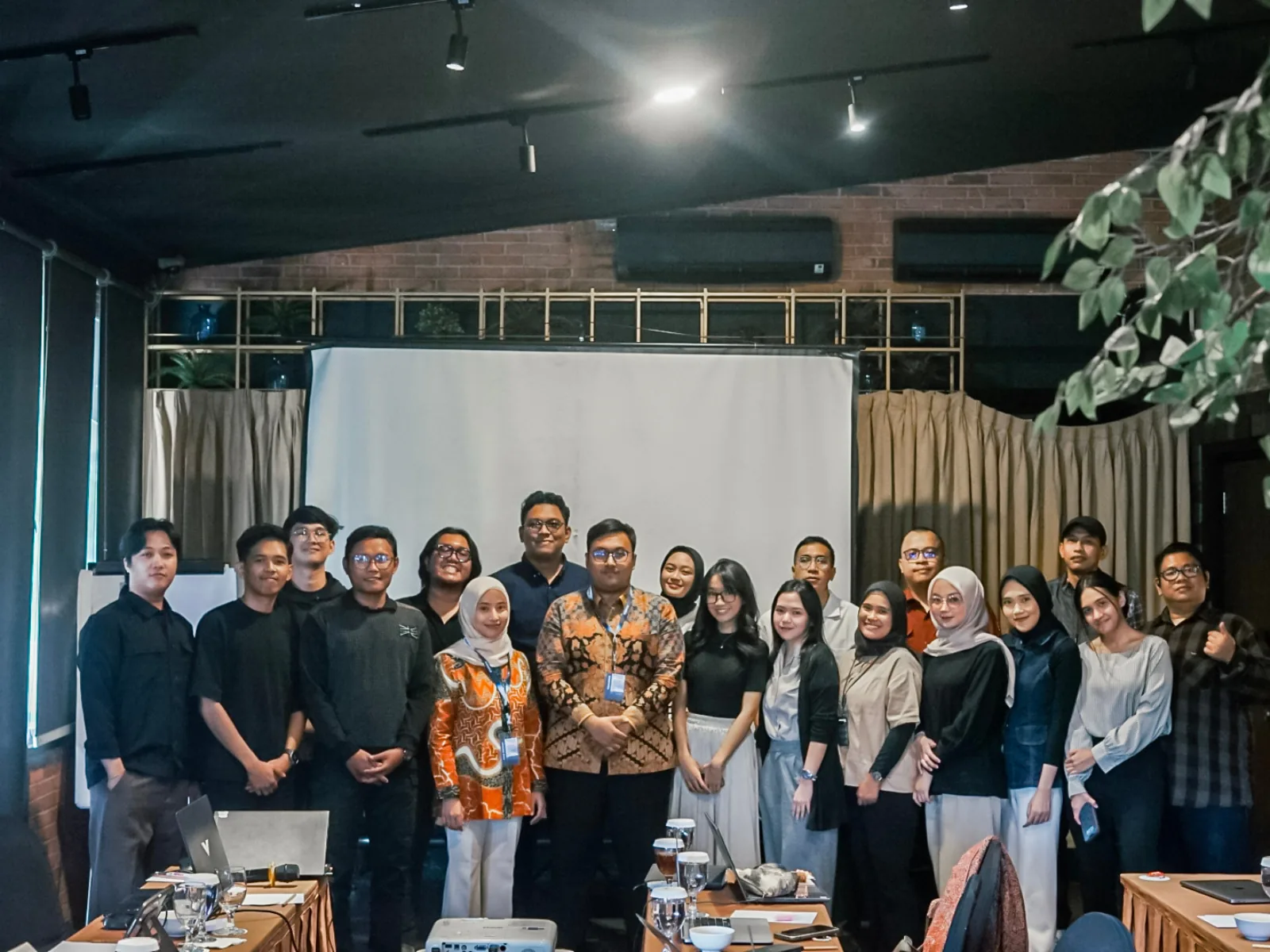
MPR RI
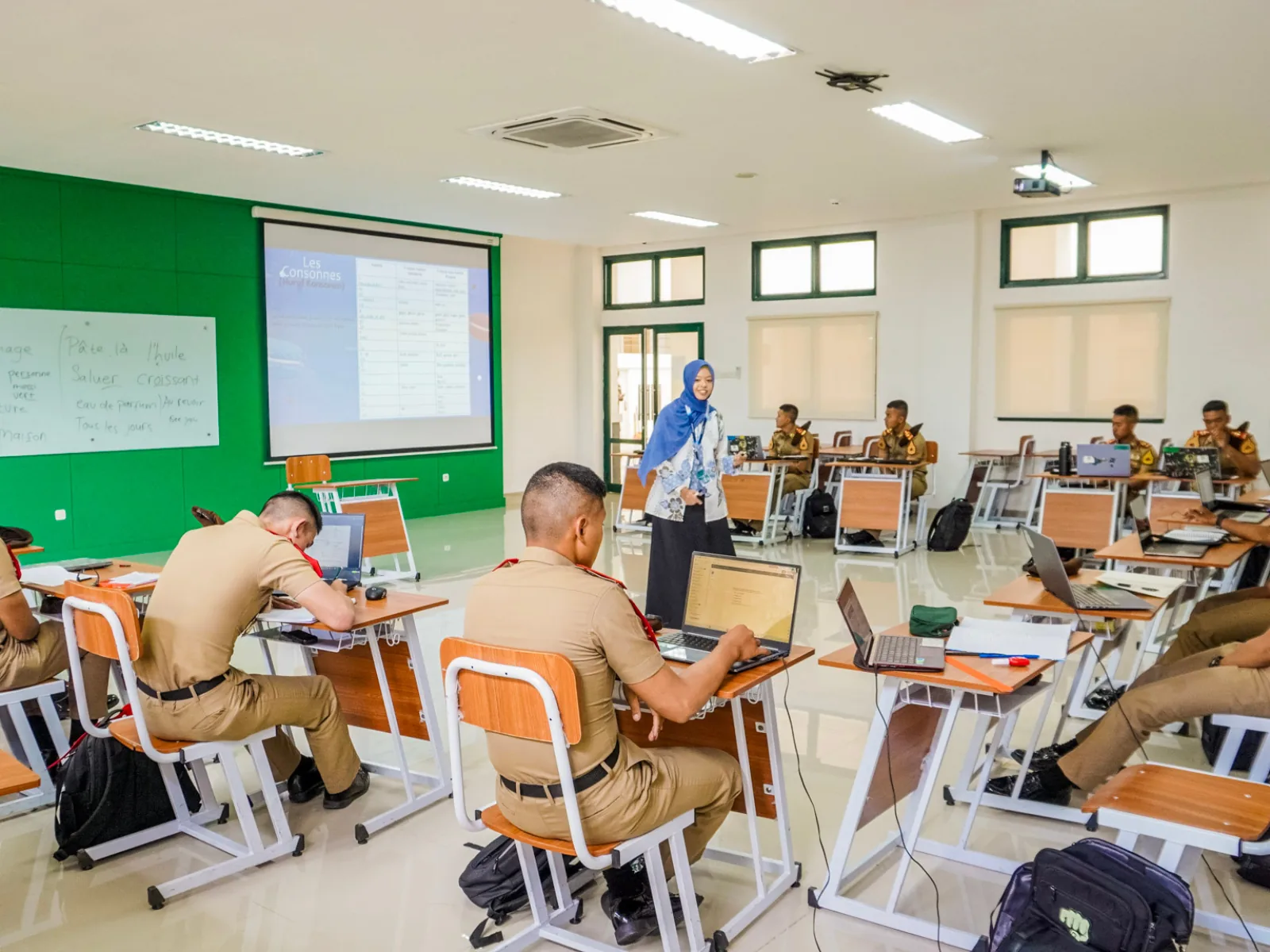
Akademi Militer Magelang
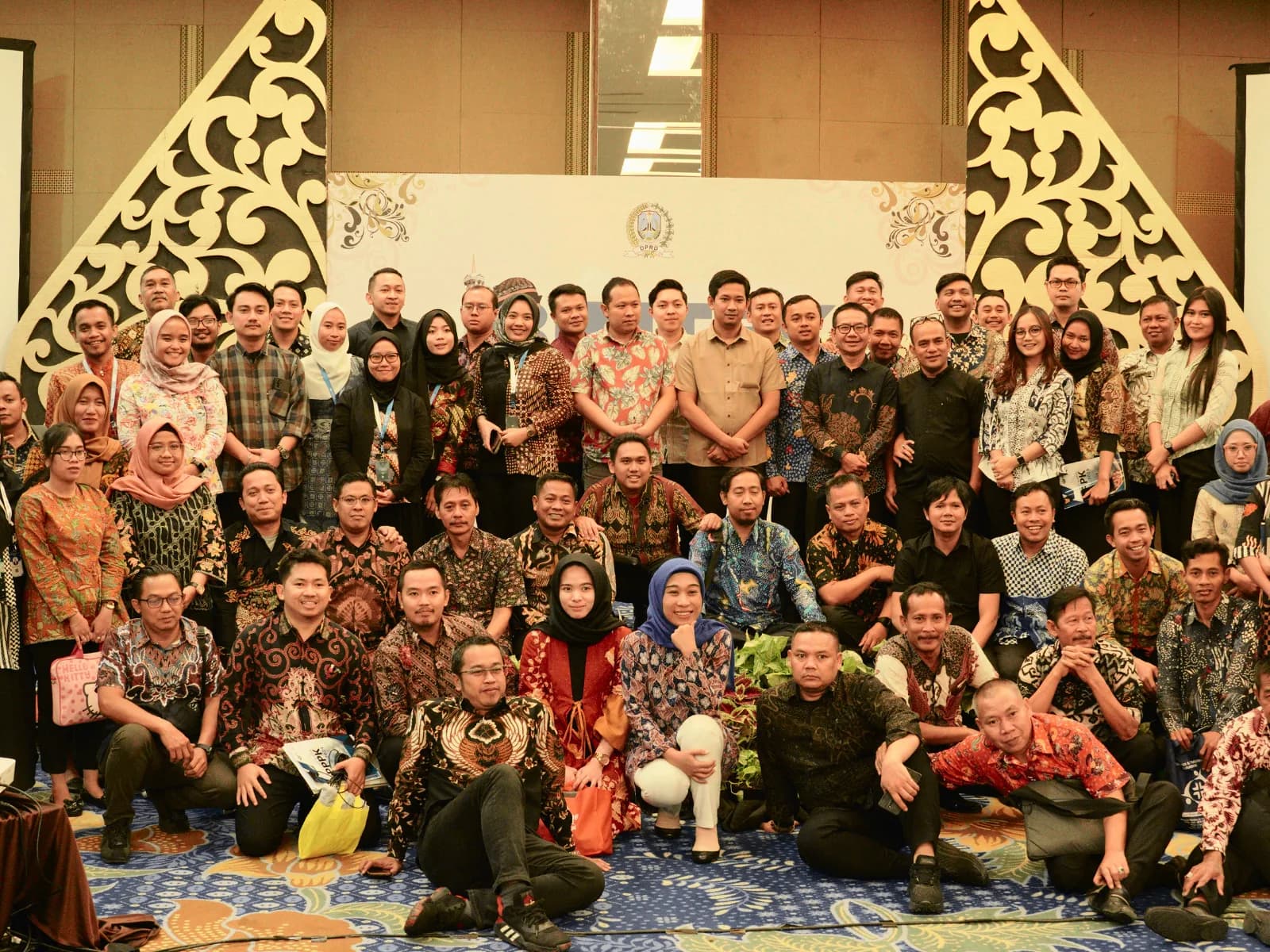
DPRD Provinsi Jawa Timur
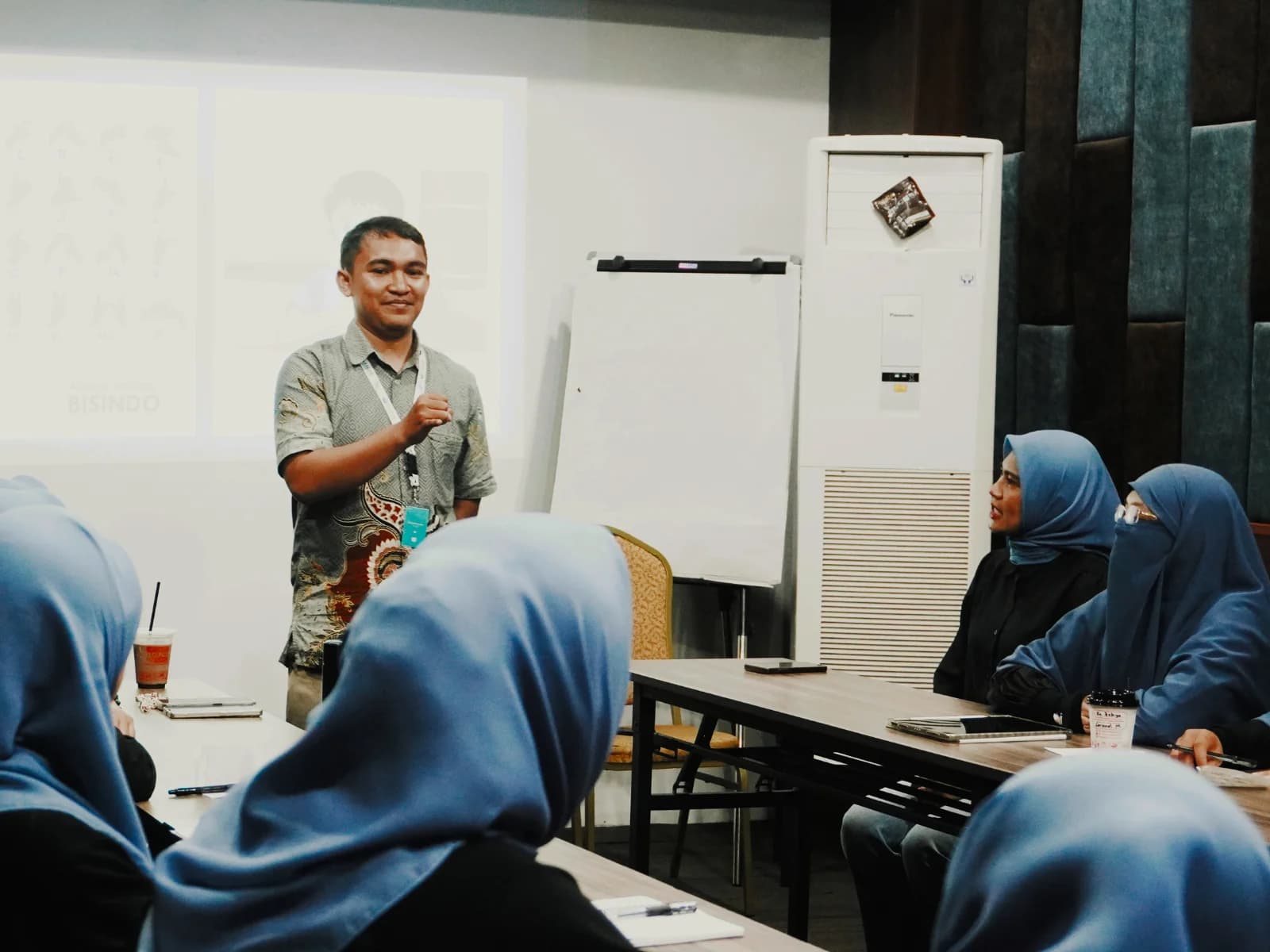
DPMPTSP Pemprov Maluku Utara
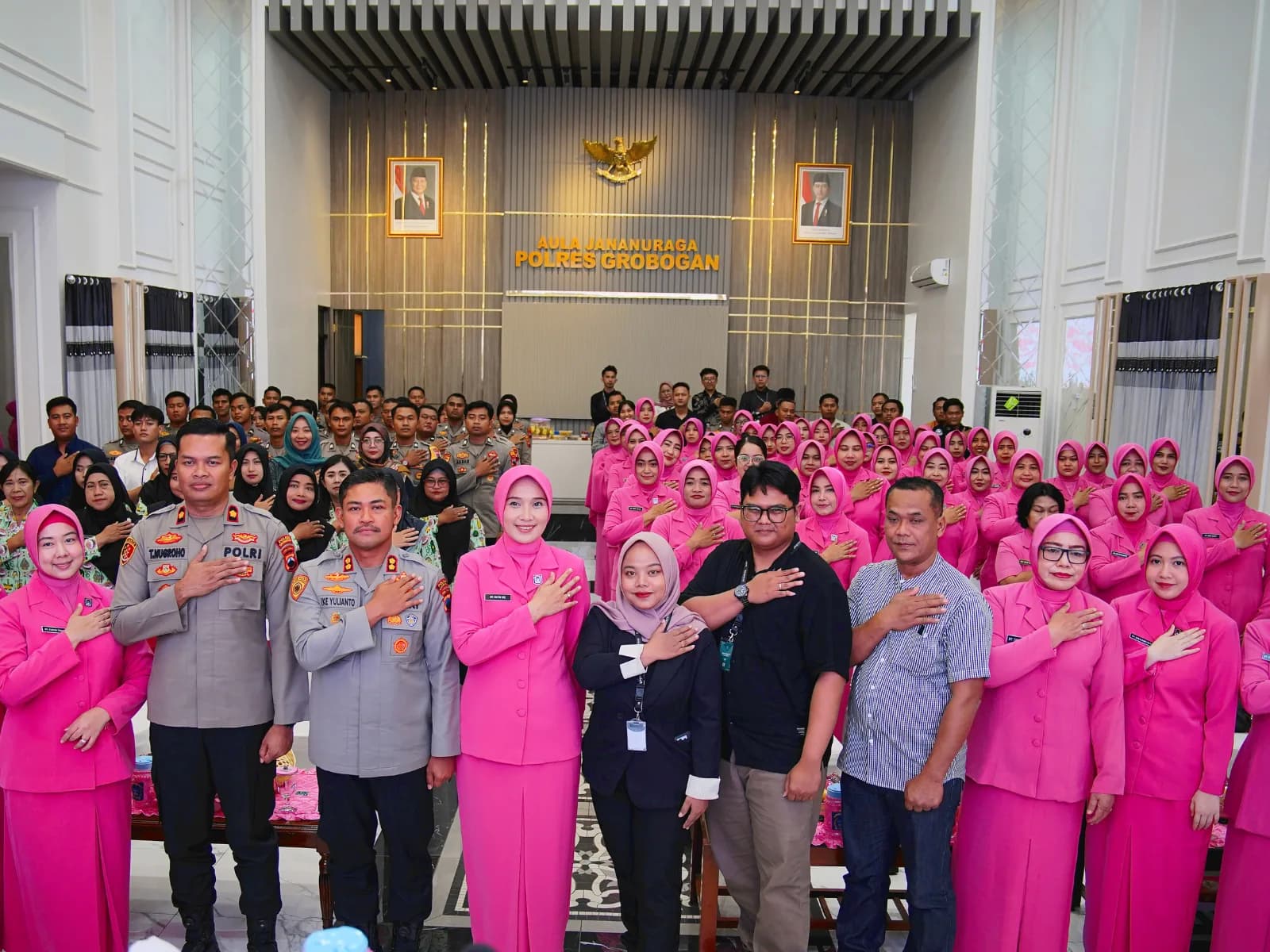
Polres Grobogan
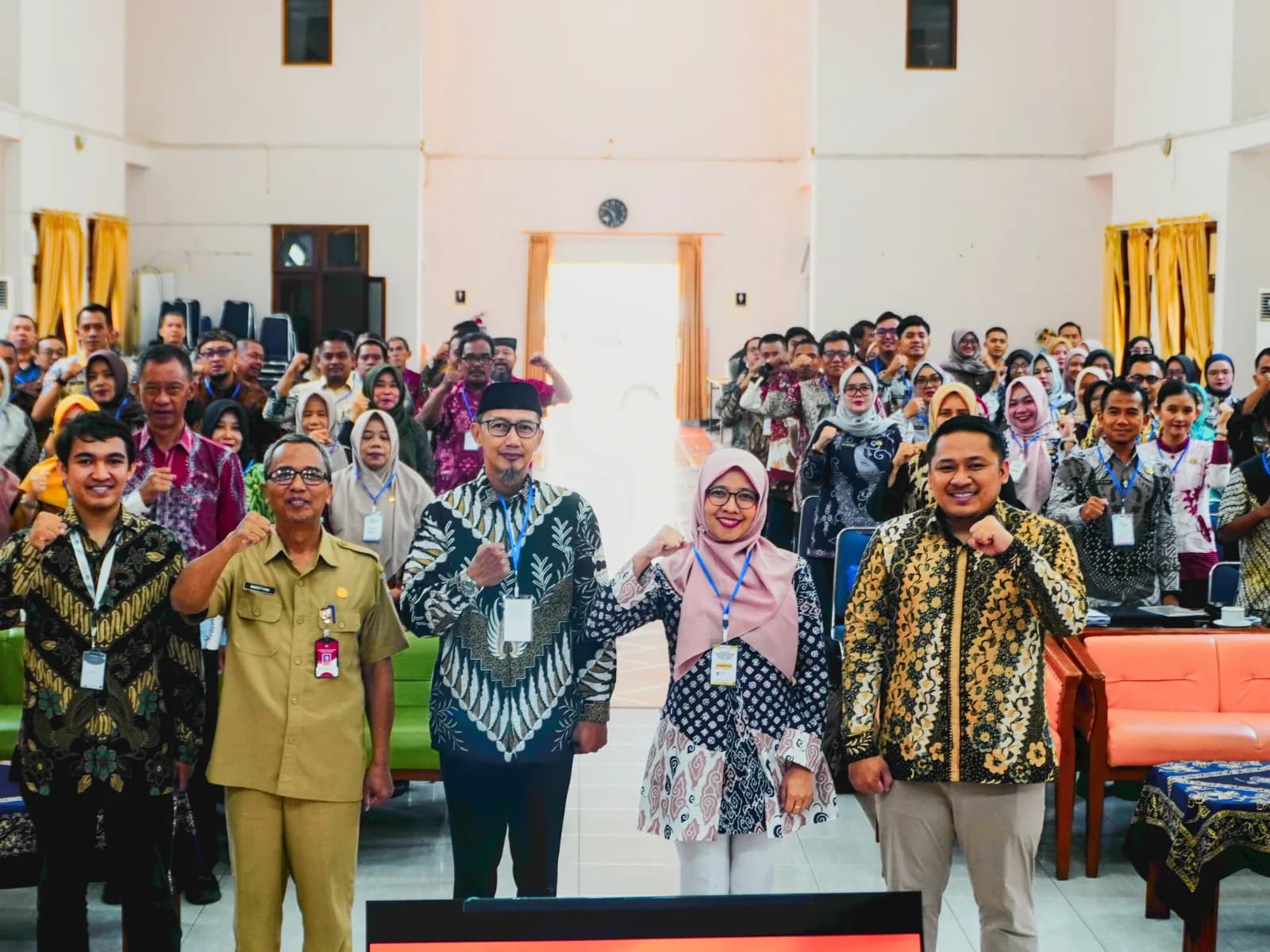
BKPSDM Cirebon
Negotiation for Procurement Teams
Kraljic-based strategic procurement negotiation training is an applied soft-skill program equipping procurement / pengadaan teams to run category-aware negotiation with disciplined strategy. Grounded in Kraljic Matrix (Peter Kraljic, Harvard Business Review 1983) dividing spend into four quadrants (Routine, Leverage, Bottleneck, Strategic), complemented by Supplier Preferencing Matrix (Steele & Court 1996) to understand the buyer's position from the supplier's view, Total Cost of Ownership for arguments beyond price, Should-Cost analysis as an honest negotiation foundation, principled negotiation (Fisher & Ury: BATNA, ZOPA, Harvard Negotiation Project), and tactical empathy (Voss) for difficult situations, with explicit LKPP / Perpres procurement compliance mapping for public sector & SOEs.
Measurable Outcomes
Expected Outcomes
Indicators mapped to Kirkpatrick L1-L4; qualitative targets set at TNA.
- The spend strategy frameworks are mastered
- Participants pass assessment on Kraljic + Supplier Preferencing + TCO + Should-Cost + BATNA. Judged through a category mapping assessment closing the class (Kirkpatrick L2).
- Spend categories are fully mapped
- Unit's spend portfolio mapped to Kraljic quadrants; per-quadrant negotiation strategy agreed. Seen in the completed spend map participants produce (Kirkpatrick L3).
- Preparation before the table is thorough
- Every material negotiation prepared with brief: Kraljic quadrant + Supplier Preferencing + TCO + BATNA + ZOPA. Visible in the preparation sheet completed before each supplier meeting (Kirkpatrick L3).
- Savings you can evidence
- Measurable savings on target categories with pre-program baseline and consistent metric (cost avoidance vs cost reduction). Read from the gap between final price and the fair cost estimate (Kirkpatrick L4).
- Healthier supplier relationships
- Strategic & bottleneck suppliers have development plan covering relationship lifecycle beyond PO cycle. Read from how willing suppliers are to improve quality and delivery pace (Kirkpatrick L4).
- Monetary value of the procurement work (optional)
- Net benefit calculation isolated from other factors (commodity, FX), when finance requests. Procurement gains are valued in rupiah under Phillips L5 where requested.
Program Format
Program Format Options
Selected by participant population, spend portfolio complexity, and procurement compliance. Finalised after TNA. Mapping the spend and practicing at the table can run alongside each other across those four days. Organizations wanting this to become the standard across every buying unit attach a three to six month strategic sourcing programme.
Kraljic Workshop & Spend Map (2 days)
Focused workshop: unit spend portfolio mapping to Kraljic Matrix + Supplier Preferencing, per-quadrant strategy, and initial negotiation brief.
Procurement Negotiation Intensive (4-5 days)
Full deep dive: Kraljic, Supplier Preferencing, TCO, Should-Cost, BATNA, tactical empathy, role-play case studies + RFP/reverse auction simulation.
Modular Procurement Bootcamp (8-10 sessions)
Weekly sessions with application gaps between, participants apply to real negotiation and are corrected before the next session.
Strategic Sourcing Program (3-6 months)
Continuous program with category review, negotiation peer coaching, and savings tracking, until strategic discipline becomes the unit's way of working.
Free Consultation
Lift procurement from tactical to strategic
We map procurement team population, spend portfolio, and initial unit maturity, then build a proposal & budget estimate grounded in real need.
Curriculum
Curriculum Framework
Designed with ADDIE; final modules curated based on TNA. The coverage below is the full menu, activated partially based on population.
- Why strategic procurement: procurement function elevated to value creator beyond order processing
- Five levels of procurement maturity (CIPS / A.T. Kearney), where your unit stands
- Source-to-Pay (S2P) and Source-to-Contract (S2C) cycles
- Cost avoidance vs cost reduction vs working capital improvement, metrics CFO understands
- Procurement reputation risk: conflict of interest, fraud, and compliance
- Kraljic Matrix anatomy (Harvard Business Review 1983): two axes (profit impact × supply risk)
- Routine: e-procurement, framework agreement, process simplification, automation
- Leverage: competitive tender, comprehensive RFP, reverse auction, volume consolidation
- Bottleneck: develop alternative supplier, build buffer stock, long-term contract with critical supplier
- Strategic: long-term partnership, joint innovation, supplier development, curated dual sourcing
- Anti-pattern: treating all categories with the Leverage playbook
- Supplier Preferencing Matrix (Steele & Court 1996): two axes from supplier's view (relative value × attractiveness of business)
- Four quadrants: Nuisance, Exploitable, Development, Core (where the buyer stands)
- Shifting position: from Nuisance to Development via predictable order, payment discipline, and relational trust
- Dangerous mismatch: buyer thinks Strategic (Kraljic) but supplier sees it as Nuisance (negotiation power miscalibrated)
- Joint analysis: Kraljic × Supplier Preferencing for accurate strategy
- TCO: acquisition + operation + maintenance + risk + disposal, simple TCO model business stakeholders understand
- Cost driver decomposition: raw material + labour + overhead + R&D + margin
- Should-Cost analysis: estimate of fair supplier cost as fact-based negotiation foundation
- Should-Cost data sources: public benchmarks, commodity indices (LME, Platts), open-book costing
- Use of TCO in business case: how 'PO 10% more expensive but TCO 20% lower' wins
- Harvard Negotiation Project (Fisher & Ury 'Getting to Yes'): separate people from problem, focus on interests not positions, invent options for mutual gain, insist on objective criteria
- BATNA (Best Alternative to a Negotiated Agreement): exit preparation with dignity
- ZOPA (Zone of Possible Agreement): where deal can happen
- Reservation price & target price: number preparation before sitting at the table
- Tactical empathy & calibrated questions (Voss 'Never Split the Difference'): labelling, mirroring, accusation audit
- Difficult negotiation (supplier scarcity tactics, deadline pressure, anchoring): principled counter
- RFQ vs RFP vs RFI: when to use which, document structure, evaluation criteria
- Reverse auction: when appropriate (Leverage category with many qualified suppliers), when harmful (Strategic / Bottleneck)
- Vendor evaluation criteria: weighting quality, price, SLA, sustainability (ESG)
- LKPP (public sector) compliance: Perpres 12/2021 on Government Procurement, e-catalog, SPSE
- SOE procurement governance: PER-2/MBU/03/2023, RKAP, vendor management
- Conflict of interest, vendor management discipline, audit trail
- Sustainable procurement: ISO 20400:2017 introduction
- ESG in vendor selection: emission scope 3, working conditions, supplier governance
- Local content (TKDN) for Indonesia regulated sector
- Anti-bribery: ISO 37001 and procurement governance expectations
- Organisation sustainable procurement maturity roadmap
Comparison
Choosing the Procurement Program Format
Concise decision matrix, finalised after training needs analysis.
| Aspect | Kraljic Workshop (2 days) | Procurement Intensive (4-5 days) | Modular Procurement Bootcamp (8-10 sessions) | Strategic Sourcing Program (3-6 mo) |
|---|---|---|---|---|
| Primary goal | Quick category mapping | Full framework mastery | Practice alongside operations | Institutionalise strategic maturity |
| Ideal participants | Procurement officer & buyer | Category manager + sourcing | Operationally-loaded procurement team | Cross-role procurement unit |
| Role-play depth | Basic negotiation brief | Intensive role-play + RFP simulation | Staged role-play per session | Full simulation + peer coaching |
| Training evaluation level | Kirkpatrick L1-L2 | Kirkpatrick L1-L3 | Kirkpatrick L1-L3 | Kirkpatrick L1-L4 (+Phillips L5) |
| Best for | Quick mapping win | Build category champion | Operationally-loaded teams | Org with maturity target |
For Whom
Who This Program Is For
Procurement / pengadaan teams seeking to advance from transaction operators to category strategists. TNA maps baseline & target.
Procurement officer & active buyer
Execute daily procurement cycle and need strategic framework to increase negotiation impact.
Common challenges
- Negotiation ends at price bargain because no category map
- No BATNA, so supplier deadline always wins
- Lose cost information vs supplier (no Should-Cost)
Category manager & strategic sourcing
Lead large spend categories and need framework to justify strategy to leadership.
Common challenges
- Arguments to leadership rest on 'gut feel' instead of Kraljic / TCO
- Category strategy not differentiated per quadrant
- Strategic suppliers managed same as routine suppliers
Head of Procurement & Supply Chain Director
Lead the unit and accountable for maturity, governance, and procurement financial impact.
Common challenges
- No consistent way to report savings to CFO
- Unit maturity stuck at tactical level with no path to strategic
- Supplier management run reactively, no development plan
User & engineering teams (cross-functional)
End users of specifications, often determinative in supplier selection, need strategic procurement literacy.
Common challenges
- Specification locks in certain supplier unconsciously
- Do not understand TCO trade-off with PO price
- Deadline pressure makes supplier decision rushed
Industry Context
Industry Applications
Each industry has distinctive spend portfolio structure & procurement regulation. Kraljic framework & negotiation strategy curated to follow.
Strategic procurement negotiation for plants: mapping raw materials + components + MRO services + equipment capex portfolio to Kraljic; per-quadrant strategy with full TCO and commodity material should-cost analysis.
See in Manufacturing context →Strategic procurement negotiation for the energy sector: EPC contracts, turbine / solar panel equipment, drilling services, engineering services, with full TCO, SKK Migas / DG Electricity compliance, and local content (TKDN) for regulated sectors.
SOE strategic procurement negotiation: holding & subsidiary spend portfolio mapping to Kraljic, with compliance to PER-2/MBU/03/2023, RKAP, ISO 37001, director-level governance, and AKHLAK value integration.
See in State-Owned Enterprises (BUMN) context →Public sector strategic procurement negotiation: ministry/agency spend categories mapped to Kraljic within Perpres 12/2021 and LKPP e-catalog boundaries, with should-cost discipline for e-purchasing negotiation and limited tender.
See in Government & Public Sector context →Retail strategic procurement negotiation: purchasing portfolio (private label, packaged goods, fresh, non-food, supply chain services) mapped to Kraljic, with per-quadrant negotiation strategy and private label should-cost.
See in Retail & FMCG context →Bank strategic procurement negotiation: IT services, professional services (KAP, legal, consultant), facility, security services, and physical cards / merchandise categories mapped to Kraljic, with POJK vendor management / outsourcing compliance.
See in Banking & Financial Services context →Delivery Method
Delivery
Intensive role-play practice: case studies from participants' real spend portfolios, RFP / reverse auction / face-to-face negotiation simulation, with peer evaluation rubric.
In-house onsite
Facilitator comes to the office; face-to-face role-play, fishbowl negotiation, and vendor meeting simulation with evaluation rubric. Best for 3-5 day intensives.
Live online
Interactive class via Zoom/Teams with role-play breakouts, curated reverse auction simulation, and session recording. Best for modular bootcamps.
Hybrid
Onsite for intensive negotiation role-play; online for category review and ongoing peer coaching.
Engagement Flow
Engagement Path
From need to measurable strategic procurement unit: qualitative duration, scaled to size.
Training Needs Analysis & Spend Discovery
Map procurement team population, unit spend portfolio, initial maturity, and actual procurement compliance. Output: needs profile + baseline.
Initial phaseProgram Design (ADDIE)
Draft learning objectives, syllabus, case studies from participant portfolio, Kraljic worksheet template & should-cost calculator adapted to the unit.
Before deliveryDelivery: Intensive Lab
Hands-on lab: Kraljic mapping, Supplier Preferencing, TCO, should-cost, BATNA, role-play, curated RFP / reverse auction simulation.
Program coreCategory Review & Peer Coaching
Category review sessions on real portfolio, peer coaching of negotiation briefs, and cross-team governance calibration.
Post-intensiveAdoption & Savings Tracking
Implementation of Kraljic + should-cost discipline on real negotiations, tracking savings with consistent metric (cost reduction / avoidance / working capital), and office hours.
OngoingKirkpatrick Evaluation & Maturity Roadmap
L1-L4 measurement (reaction, learning, behaviour/adoption, measurable savings). Phillips ROI L5 on finance request. 12-24 month procurement maturity roadmap.
Post-programCase Studies
Typical Outcome Patterns
Illustration of impact patterns from similar program structures; no named clients or promised numbers.
Manufacturing procurement team with complex spend portfolio without category mapping
Intervention
4-day intensive + Kraljic spend map workshop + commodity should-cost
Result
All material spend categories mapped to Kraljic; measurable savings on Leverage categories with should-cost; Bottleneck stockouts reduced
SOE holding procurement with siloed subsidiary spend
Intervention
6-month continuous program + procurement champions per subsidiary + spend consolidation workshop
Result
Cross-subsidiary spend consolidation on Leverage categories yields measurable savings; cross-subsidiary procurement governance standard consistent
Bank vendor management team with Strategic IT vendor without exit strategy
Intervention
Modular bootcamp + vendor management workshop + POJK 11 integration
Result
Strategic IT vendor has exit strategy & curated dual sourcing; negotiation audit trail ready for OJK / SKAI examination
Procurement Info
Information for Procurement & Vendor Management
Materials for procurement, finance, legal, and procurement leadership teams.
Structured proposal: learning objectives aligned with Kraljic + TCO + BATNA, syllabus, senior facilitator profile with procurement background, schedule, TNA-based cost breakdown.
TNA-based: flat per program, per session, per participant, tiered, or custom. Estimate provided after TNA.
Flexible terms (down payment + balance / per-batch terms); PPN tax invoice and PO document support available.
Experienced with SOE/government procurement: vendor documents, e-procurement, HPS/bidding, compliance clauses.
Kirkpatrick Level 1-3 evaluation report (attendance, assessment, practice results); measurable savings as L4 indicator; Phillips ROI L5 on finance request.
Material aligned with CIPS (Chartered Institute of Procurement and Supply) syllabus, but not official CIPS certification (issued by CIPS with separate exam). Exam readiness can be prepared in advanced modules.
Kraljic worksheet template, negotiation brief, and should-cost calculator built for the company become the company's property; training-material usage rights agreed in contract.
FAQ
Frequently Asked Questions
Next Step
Lift procurement from tactical to strategic
We map procurement team population, spend portfolio, and initial unit maturity, then build a proposal & budget estimate grounded in real need.
- Proposal, syllabus, and procurement framework mapping
- Procurement-ready documents (company profile, NPWP, NDA, PPN invoice)
- Kirkpatrick impact measurement (Phillips ROI on request)
Negotiation for Procurement Teams training for your Energy & Resources team
We map procurement team population, spend portfolio, and initial unit maturity, then build a proposal & budget estimate grounded in real need.
- Proposal, syllabus, and procurement framework mapping
- Procurement-ready documents (company profile, NPWP, NDA, PPN invoice)
- Kirkpatrick impact measurement (Phillips ROI on request)