Training for Ministries, Agencies, Regional Governments & Indonesian Civil Servants
We help HR bureaus, training centers (Pusdiklat), and operational units in central and regional governments translate SPBE, bureaucratic reform, UU PDP, and SAKIP mandates into tangible ASN competencies for public services and internal operations.
- 4.9/5 · 287 reviews
- 300+ clients nationwide
- 2,000+ trainers
- 1 to hundreds of participants
- Standard · Premium · Private 1-on-1
- Critical training axes
- 5Critical training axes
- Primary regulators
- KemenPANRB & LKPPPrimary regulators
- Active topics for this sector
- 12+Active topics for this sector
- Delivery formats
- Onsite • Online • HybridDelivery formats
2,000+ trainers and experts
Our group's teaching network, matched to what your team needs.
See class documentationYou see your trainer first
The trainer's profile, track record and field come with the proposal, before you decide.
4.9 out of 5
287 participant reviews.
300+ clients nationwide and 180,000+ private training sessions completed. Among them: MPR RI, Akademi Militer Magelang, DPRD Provinsi Jawa Timur.
One person to hundreds
Private coaching for one participant, a class for one team, or several cohorts at once.
Three budget levels
- Standard: core class, material fitted to the participants’ work
- Premium: senior trainer, deeper material design
- Private 1-on-1: one participant, one trainer, schedule set by the participant
The best corporate training for Indonesia's government agencies and civil servants is an in-house program built from a training-needs analysis that maps Perpres 95/2018 SPBE, PermenPANRB 3/2024 SPBE Index, UU PDP 27/2022, UU 25/2009 (public services), and SAKIP into each role's competency. Neksus prepares an LKPP-ready training consultancy package, including SBM-compliant honorariums and audit documentation.
Start with a free consultationClients & Documentation
Some of the institutions we have trained
Photos from sessions we have delivered, each one named after the institution it belongs to.
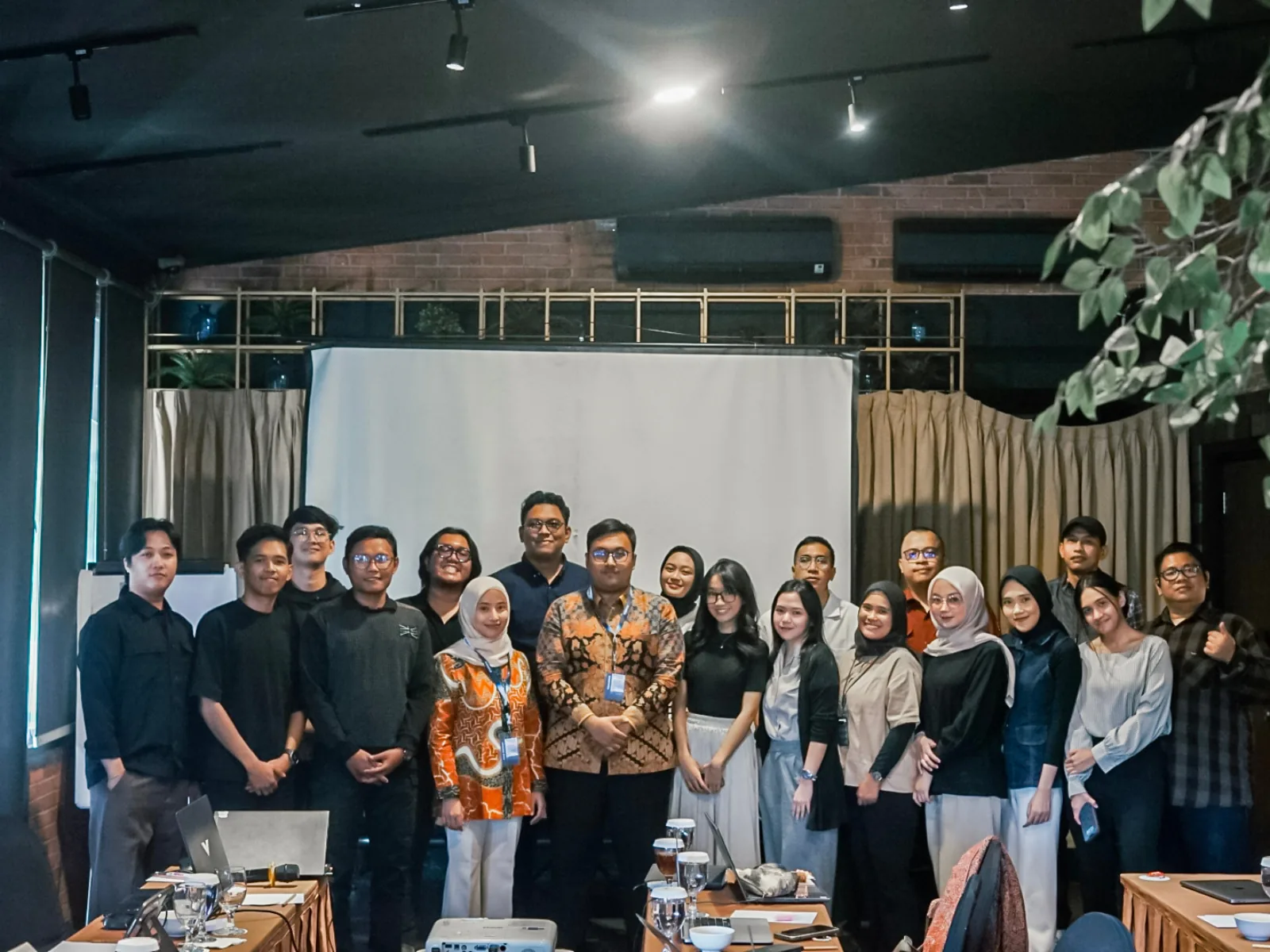
MPR RI
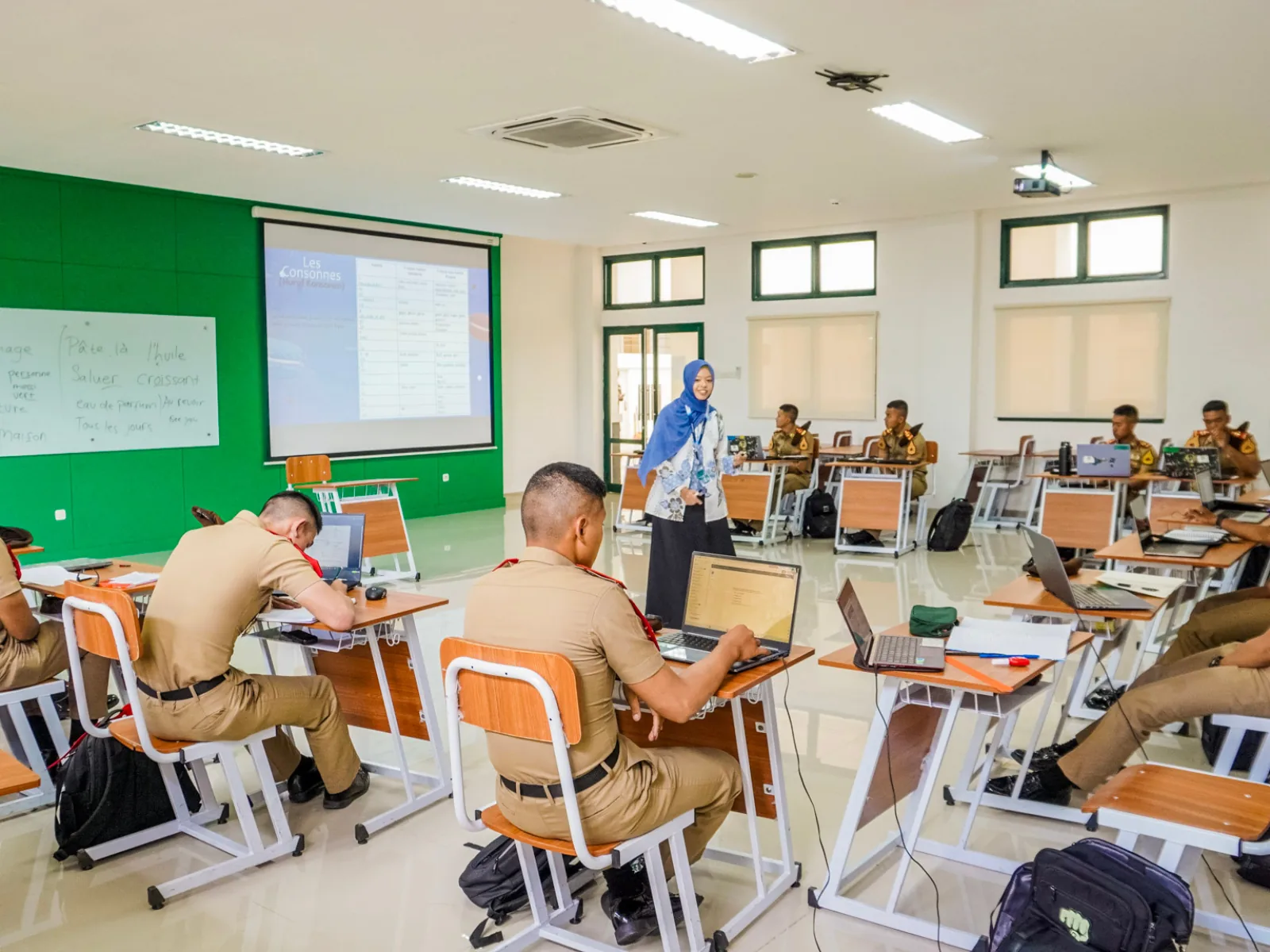
Akademi Militer Magelang
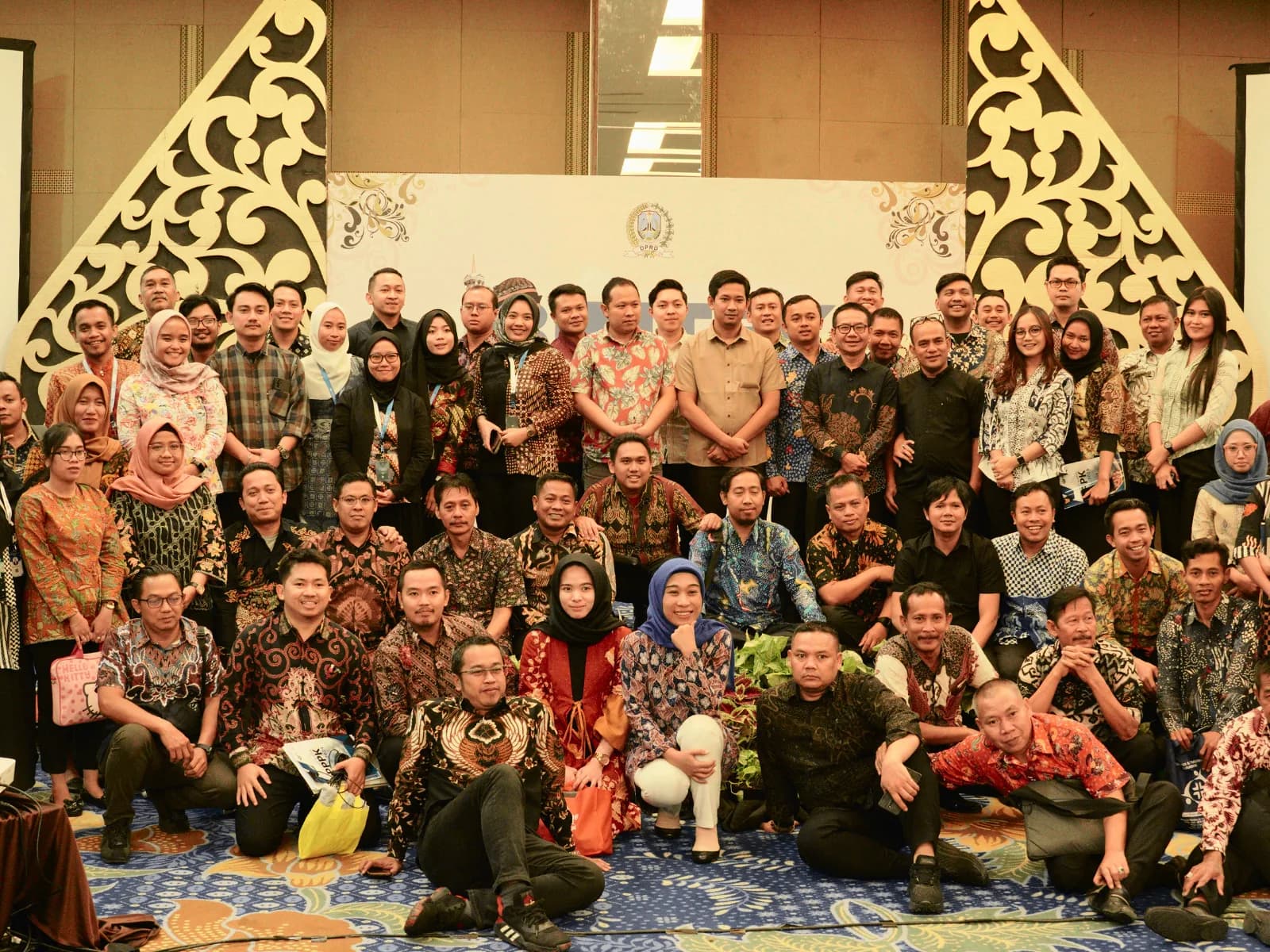
DPRD Provinsi Jawa Timur
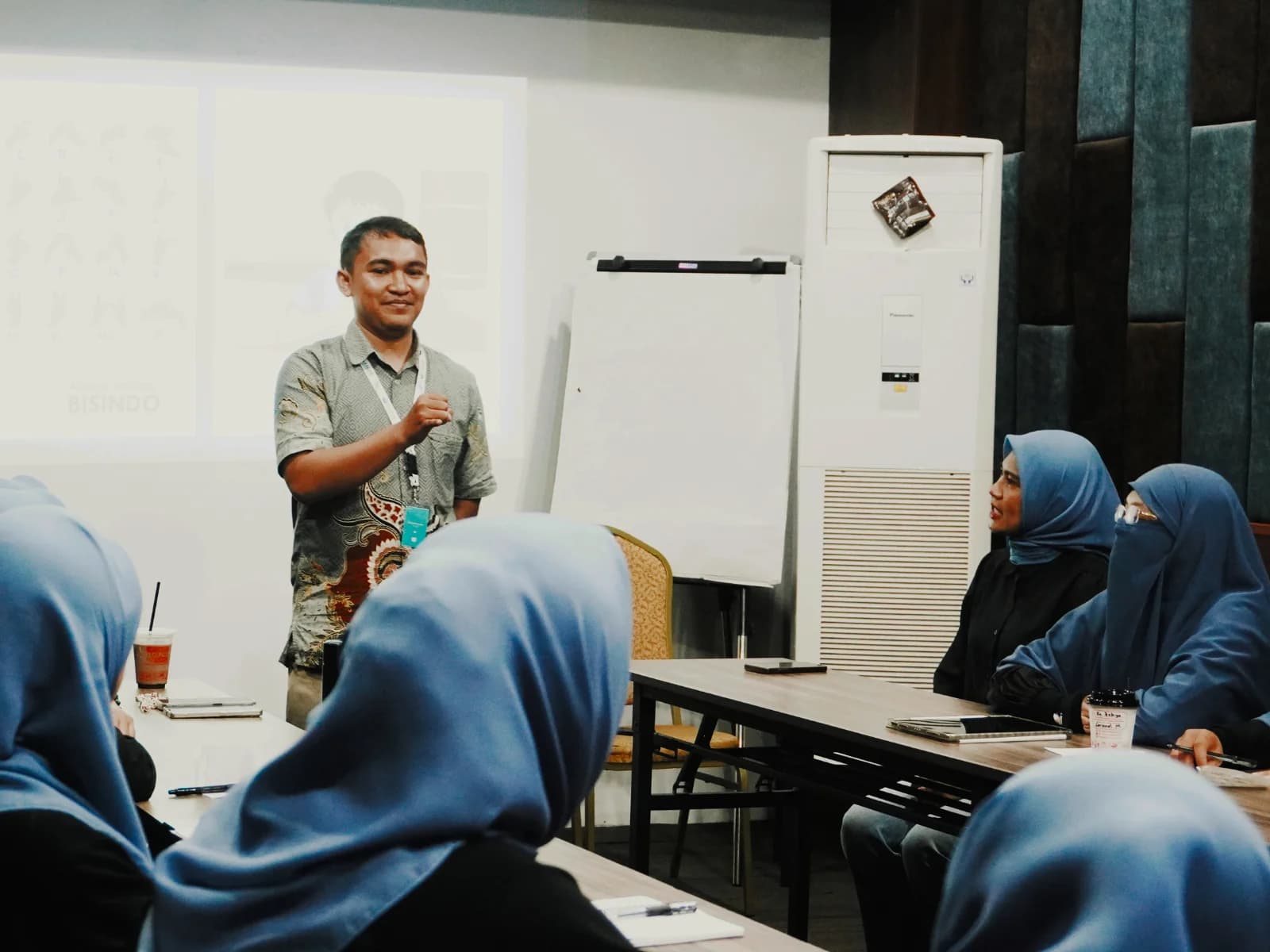
DPMPTSP Pemprov Maluku Utara
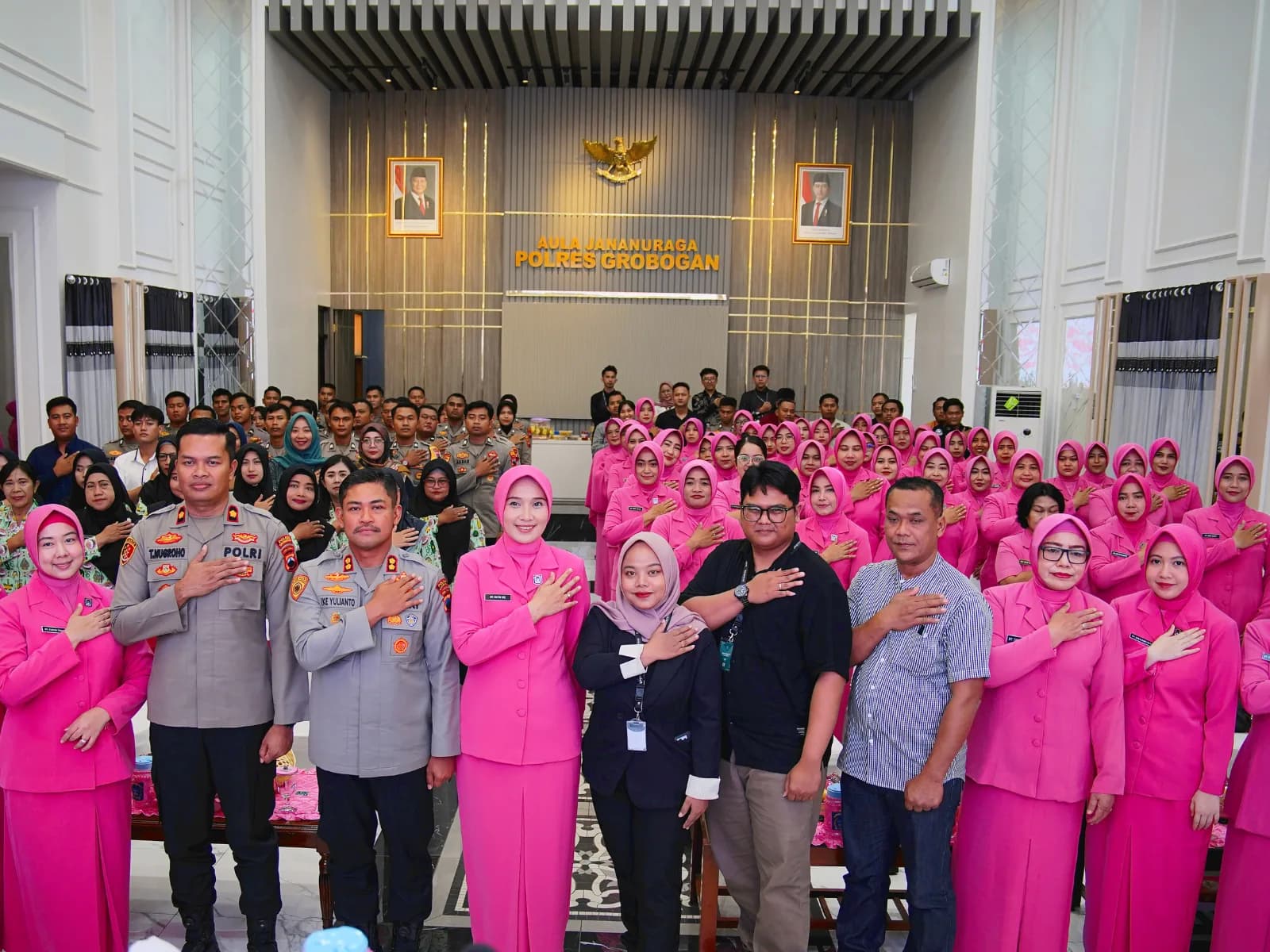
Polres Grobogan
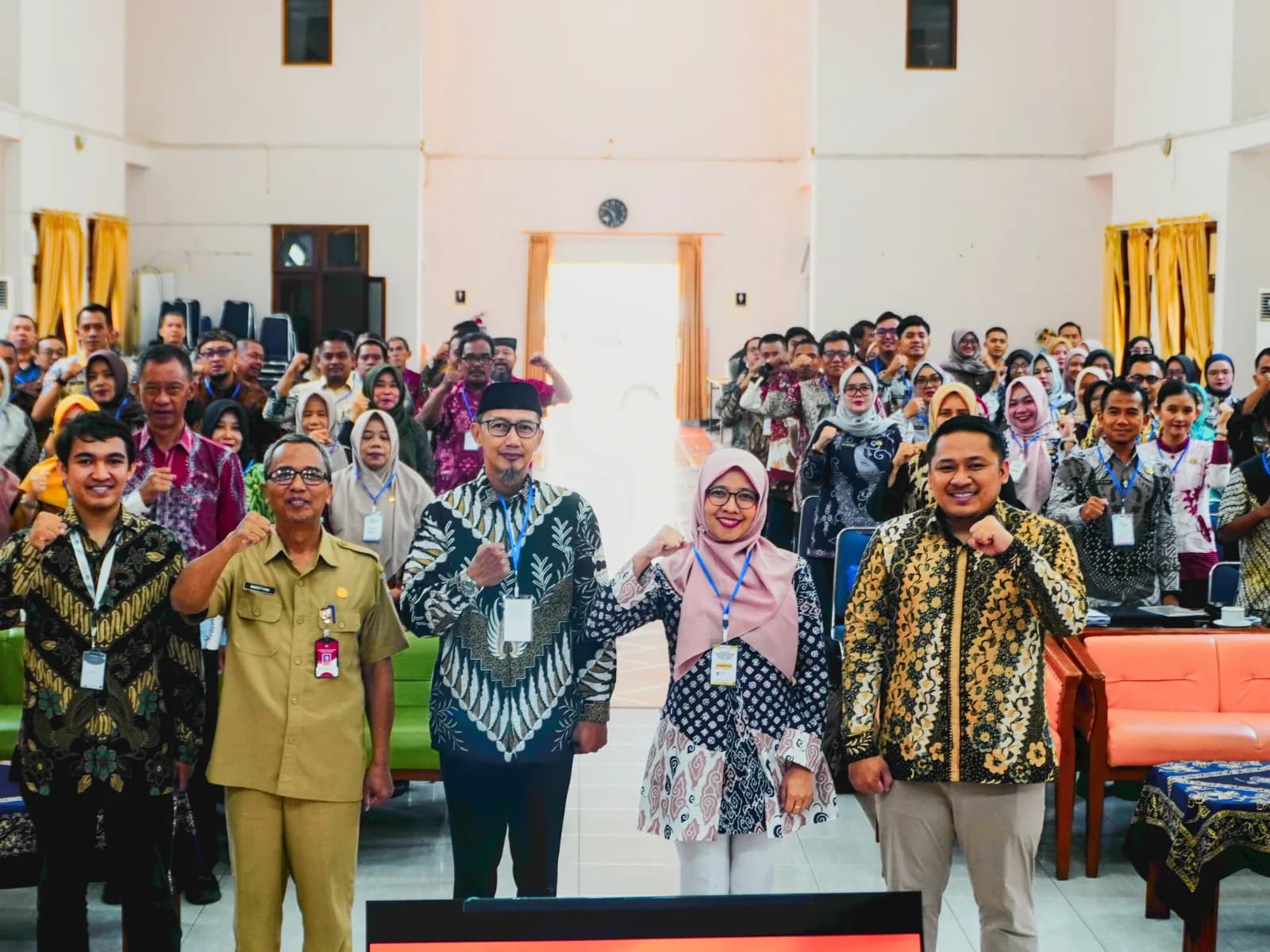
BKPSDM Cirebon
A public sector that must be modern, transparent, and accountable
Indonesia's central and regional government agencies face dual pressure: serving the public quickly and transparently while meeting bureaucratic reform and digital transformation mandates. Perpres 95/2018 establishes the Electronic-Based Government System (SPBE) as the modernization path, PermenPANRB 3/2024 details SPBE Index as the evaluation instrument, UU PDP 27/2022 adds personal data protection obligations for citizens, and UU 25/2009 governs public service quality. ASN — from senior officials to executors — need fresh competencies to deliver on these mandates while maintaining SAKIP accountability, IKU, and budget governance.
- SPBE Index becomes an agency's digital report card, monitored across ministries.
- UU PDP applies to all data controllers, including government agencies.
- SAKIP and IKU are organizational performance measures planning bureaus must master.
- ASN training procurement follows Perpres 12/2021 and LKPP e-procurement rules.
- Generative AI is entering government offices; governance and data literacy must come first.
Government agencies are personal data controllers or processors. UU PDP 27/2022 violations risk administrative sanctions and reputational harm. Basic awareness for all ASN and deeper modules for information system administrators are 2026 must-have competencies.
Most ASN training is procured via training consultancy packages under LKPP rules (Perpres 16/2018 jo. 12/2021 jo. 46/2025 + Perlem LKPP 9/2021 SPSE). Speaker/instructor honorariums follow Standar Biaya Masukan (PMK 39/2024 FY2025, PMK 32/2025 FY2026). Neksus prepares documents aligned to this path.
A good SAKIP demands linkage between renstra, IKU, RKA-K/L, DIPA, and reports. Training on drafting precise IKUs and using performance dashboards often impacts SAKIP scores more than tidying administrative documents alone.
Diklat is the older term from the PP 101/2000 regime on civil-servant job training. Since UU 5/2014, PP 11/2017, and now UU 20/2023, the umbrella is called competence development, or bangkom, and it covers classroom routes (training, seminars, courses) and non-classroom routes (coaching, mentoring, e-learning, attachments). Bimtek, short for bimbingan teknis, is the working label for short technical sessions, common in regional governments and DPRD secretariats. The term written into the terms of reference decides the budget line, how learning hours are recorded, and which documents the treasurer asks for, so we align the wording with the commitment officer before writing the curriculum.
PP 11/2017 on civil-servant management, as amended by PP 17/2020, gives every PNS a right to at least 20 learning hours (JP) of competence development a year, and LAN Regulation 10/2018 sets out how that is delivered. UU 20/2023 Article 49 shifts the weight toward a duty of continuous learning through an integrated learning system. In practice the regional or ministry HR unit records the hours in each employee's personnel history, and competence development feeds the ASN Professionalism Index. That is why our program documents state the number of JP, the method, and the target competences, so the HR unit can record them without guessing.
The reality of Indonesia's public sector & ASN
The macro context shaping ASN competency needs.
Total PNS and PPPK in 2024 (ASN Statistics Book, BKN).
Estimated central ministries/agencies plus provincial/regency/city governments (Kemenkeu DIPA, KemenPANRB).
Bureaucratic reform (KemenPANRB), procurement (LKPP), planning & budget (Kemenkeu) shape the ASN competency landscape.
Three competency clusters most requested by operational units: SPBE implementation, UU PDP fulfillment, and safe and legal generative AI adoption.
Regulations and standards shaping public sector curricula
We design modules around the official references used by inspectorates and auditors.
National SPBE foundation: architecture, governance, and electronic services. Agency digital transformation modules reference this framework.
Guidelines for evaluating the SPBE Index of central and regional agencies; defines indicators that IT teams, planning bureaus, and leadership must prepare.
Obligations for personal data controllers/processors, including government agencies; basis for UU PDP awareness, DPO appointment, and technical training.
Sets transparency obligations for public bodies; PPID and communications teams need periodic refreshers on categorization and information services.
Regulates service standards, service charters, and complaint handling; ASN frontliner and service management training anchor here.
Government procurement; modules for procurement officials, PPK, and selection working groups map to the latest provisions.
Governs electronic procurement procedures; training vendors and ASN procurement teams must master the SPSE flow.
Guidelines for speaker/instructor honorariums and ASN training costs; every training proposal must be consistent with the SBM of the running fiscal year.
Bureaucratic reform and SAKIP form the agency's report card; training on drafting IKUs and operating performance dashboards is a priority for planning bureaus.
Article 21 names competence development as one form of an employee's self-development, and Article 49 requires every ASN employee to keep learning through an integrated learning system. We write programs so they can sit inside the agency's learning plan.
The source of the right to at least 20 learning hours of competence development a year, and of the split between classroom and non-classroom routes that decides which formats can be recognised.
Covers planning, delivery, and evaluation of competence development, including which kinds of activity count toward learning hours. Our reference when structuring sessions and evidence of delivery.
Pushes each agency to build an ASN Corporate University that ties learning to organisational performance problems. An outside provider is most useful when its program fills one learning cluster of the agency's Corpu, anchored to a clearly stated performance problem.
Strengthens the duty to use e-purchasing when goods or services are already listed in the electronic catalogue, and extends e-purchasing to consulting services. Procurement teams check the catalogue first before choosing another method for training services.
The basis for performance agreements, measurement, and performance reports, and for how evaluators judge the link between targets and budget. Our SAKIP module starts from these evaluation worksheets.
The five SPIP elements (control environment, risk assessment, control activities, information and communication, monitoring) frame risk-management training for unit heads and technical training for internal auditors (APIP).
Lists the components of a service standard that each service unit must draft and publish. Training on writing service standards uses these components as a working checklist.
Expected outcomes for ASN
Competency targets typically designed with HR bureaus and Pusdiklat.
Training delivery options for government agencies
A quick matrix for HR Bureaus, Pusdiklat, and Procurement Officials.
| Criterion | Generic in-house | Open public training | Average training vendor | Neksus for public sector ★ |
|---|---|---|---|---|
| Mapping to SPBE, UU PDP, SAKIP, RB | Depends on internal curriculum; often lags new Perpres/Permen. | Generic material; thin public-sector focus. | Brief socialization; rarely cites official indicators. | Each module mapped to the latest clauses and SPBE/SAKIP indicators. |
| Trainer profile | Internal officials/widyaiswara with heavy workloads. | Generalist trainers; few hours in ministries or regional governments. | Freelance pool, inconsistent quality. | Practitioners/former officials/consultants with public sector track records and assignment references. |
| Role-based personalization (echelon, functional, executor) | Single curriculum for everyone. | None — open class. | Light retitling; same content. | Per-role TNA; ASN leadership modules differ from technical and public service classes. |
| Impact measurement | Attendance only. | Participation certificate. | Participant reaction (Kirkpatrick L1). | Kirkpatrick L1–L4 + IKU and SAKIP indicator integration. |
| Procurement readiness (SPSE LKPP, SBM, contract, BAST) | Not relevant. | Individual invoice; rarely SPSE/SBM ready. | Variable; documents often incomplete. | Technical & commercial offer as training consultancy package, SPSE LKPP, SBM, contract, BAST, and e-invoice ready. |
Engagement path with Neksus for government agencies
Six standard stages from first inquiry to final post-training report.
- 1
Day-0 inquiry
0–1 dayHR Bureau, Pusdiklat, or operational unit sends needs via form or email. We respond with initial clarifications and a discussion slot.
- 2
Training-needs analysis (TNA)
5–10 business daysStakeholder interviews, job review, related PermenPANRB competencies, and regulations (SPBE/UU PDP/SAKIP). Output: per-role needs map and target outcomes.
- 3
Proposal & program design
7–14 business daysTechnical (curriculum, trainer profile, schedule, format, measurement) and commercial documents aligned with SBM and the LKPP training consultancy package ready for SPSE.
- 4
Training delivery
1 day–8 weeksDelivered by practitioner trainers with public service case studies, SPBE/SAKIP simulations, digital labs, and onsite/online logistics support.
- 5
Post-training measurement & coaching
4–8 weeksPost-tests, on-the-job application observation, follow-up coaching for key echelon and functional roles.
- 6
Final report & audit documents
1–2 weeksKirkpatrick L1–L4 report, participant list, certificates, and supporting documents for inspectorate, BPK/BPKP audit, and SPBE evaluation.
Target roles in government agencies
Each position carries different competency pressures. The Neksus TNA design starts there.
Operating strategic policy, bureaucratic reform, and agency-level SPBE while maintaining cross-ministry coordination.
Executing bureaucratic reform targets, SAKIP for the operational unit, and IKU amid budget dynamics.
Curating ASN training that meets PermenPANRB standards, complies with SBM, and delivers measurable impact.
Managing procurement packages per Perpres 16/2018 jo. 12/2021 jo. 46/2025 and SPSE LKPP without inspectorate findings.
Meeting SPBE Index and UU PDP indicators while managing the digital service transformation backlog.
Drafting meaningful IKUs and SAKIP and linking them to RKA-K/L and DIPA.
Applying UU 25/2009 standards, handling complaints, and operating new digital service systems.
Ensuring citizen personal data processing meets UU PDP 27/2022 and internal security standards.
Priority topics for government agencies
Neksus' curated picks based on the SPBE, UU PDP, and bureaucratic reform agenda.
Digital Transformation for Executives
Helping senior officials map the SPBE agenda and service transformation to unit performance targets.
Employee Cybersecurity Awareness
ASN cyber awareness with ministry and regional government cases, mapped to UU PDP 27/2022.
Generative AI in Everyday Work
Adopting generative AI for ASN knowledge workers with UU PDP governance and internal policy.
Organizational Change Management
Coaching bureaucratic reform leaders to manage structural and cultural change.
Executive Communication & Presentation
Training officials and public relations to deliver policy to the public and to DPR/DPRD.
Generative AI in Everyday Work
Generative AI training (LLM, prompt engineering, agentic workflows) for enterprise teams, with industry-specific use cases and AI governance guardrails.
Secure Software Delivery
In-house DevSecOps training: shift-left, SAST/DAST/SCA, SBOM, supply-chain, guided by NIST SP 800-218 SSDF, OWASP DevSecOps Maturity Model (DSOMM), and SLSA framework.
Power BI & Tableau for Analysts
In-house Power BI & Tableau training: DAX, M, VizQL, star schema, storytelling with data, aligned with PL-300 and Tableau Desktop Specialist + Certified Data Analyst.
Digital Transformation for Executives
Strategic workshop for BOD and senior management on leading digital transformation: roadmap, culture change, and technology investment governance.
Employee Cybersecurity Awareness
Company-wide cybersecurity awareness: phishing, social engineering, data protection, attack simulations, and regulatory compliance.
Executive Communication & Presentation
Sharpening message clarity, data storytelling, and stage presence for internal pitching, board meetings, and stakeholder communication.
Organizational Change Management
Guiding organizations through major change (mergers, new systems, restructuring) using ADKAR/Kotter models, with communication plans and resistance management.
Cloud Basics for IT Teams
In-house cloud foundation training: AWS / Azure / GCP essentials, guided by AWS Well-Architected 6 pillars, FinOps Framework, NIST SP 800-145, CIS Benchmarks, and Cloud Adoption Framework.
SQL for Analysts
SQL & analytics fundamentals training for analysts: advanced SELECT, JOIN, CTE, window functions (SQL:2016), query optimization, across dialects (PostgreSQL/MySQL/BigQuery/Snowflake) with corporate analytics patterns.
AI Assistants That Answer from Company Documents
Engineering training to build end-to-end retrieval-augmented generation over corporate corpus: chunking, embeddings, vector DB (Pinecone/Weaviate/Qdrant/pgvector), LangChain/LlamaIndex orchestration, RAGAS & TruLens evaluation, and OWASP LLM Top 10 2025 + NIST AI RMF GenAI Profile + UU PDP hardening.
Writing AI Prompts That Deliver
Deep prompt engineering training for corporate knowledge workers: Chain-of-Thought (Wei et al. 2022), Tree-of-Thoughts (Yao 2023), ReAct, Self-Consistency patterns, JSON Schema structured output, eval harness, and NIST AI RMF GenAI Profile (NIST AI 600-1) + UU PDP governance.
Negotiation for Procurement Teams
Strategic procurement negotiation training based on Kraljic Matrix (HBR 1983), Supplier Preferencing (Steele & Court), Total Cost of Ownership, Should-Cost analysis, Fisher & Ury BATNA, and tactical empathy (Voss) — with LKPP / Perpres / ISO 37001 anti-bribery compliance.
Typical outcome patterns in government agencies
Illustrative patterns (not specific client claims). Actual results are always measured against a client baseline.
A central ministry facing an SPBE Index audit and preparing mitigation plans for weak indicators.
SPBE and IT governance workshop for echelon II officials, plus technical mentoring for the ICT team.
The SPBE action plan document becomes more concrete, with clear PIC and timelines for the next evaluation.
A regional government strengthens public service culture at the front office and Public Service Mall.
Service excellence program based on UU 25/2009 with role-plays and post-training coaching for supervisors.
Service standards become routinely socialized and complaint follow-up rates improve in the next evaluation cycle.
A government agency boosts personal data administrator competence after UU PDP 27/2022 takes effect.
Basic UU PDP training for all ASN and an in-depth module for information system administrators and prospective DPOs.
The team holds a personal data processing process map and initial SOP for handling data subject requests, ready for inspectorate audit.
Procurement & payment readiness for government agencies
Administrative summary commonly requested by procurement and finance teams.
- Billing entityInvoices are issued by the operational PT (confirmed at proposal stage).
- Procurement routeSupports training consultancy packages, direct procurement, direct appointment, and tenders via SPSE LKPP per Perpres 16/2018 jo. 12/2021 jo. 46/2025 and Perlem LKPP 9/2021.
- Standar Biaya Masukan (SBM)Cost components are aligned with the running-year Kemenkeu SBM (PMK 39/2024 FY2025, PMK 32/2025 FY2026).
- VAT & tax invoiceWe issue an e-faktur for VAT-registered clients and prepare VAT/PPh mechanics per the latest regulations.
- Contract & BAST mechanismSupports SPK/full contracts, BAST per phase, and payment terms governed by DIPA and the operational unit's SP2D.
- Trainer & speaker profileSpeaker/instructor profiles, their experience in the subject they teach, and assignment references at ministries or regional governments are included in the technical document.
- Quality guarantee & reworkIf participants find the material out of line with the TNA, we offer module revisions or remedial sessions before BAST sign-off.
- Electronic catalogue and e-purchasingSince Perpres 46/2025, a commitment officer must use e-purchasing when the needed service is already listed in the LKPP electronic catalogue. We confirm with your procurement team which route applies to your package: catalogue, direct procurement, or selection, depending on its value and nature.
- Accountability file (SPJ)The disbursing treasurer needs tidy evidence for the accountability report: attendance per session, honorarium receipts with the tax withheld, course materials, activity photos, and a delivery report. We prepare this file in the format your unit uses, including the items capped by the SBM as the ceiling unit cost.
Frequently Asked Questions
Work in Government Agencies & Civil Service (ASN)? We are recruiting trainers in these cities
Neksus is looking for trainers and consultants who have worked in this sector. Pick the city you live in or can reach.
Discuss ASN training needs in your unit
We respond to every request from HR Bureaus, Pusdiklat, and operational units at ministries or regional governments with a short TNA before procurement documents are prepared.
- Short TNA before the proposal — per-role focus
- Practitioner trainers with hours in ministries and regional governments
- Kirkpatrick L1–L4 measurement + IKU/SAKIP integration
- SPSE LKPP and SBM ready training consultancy package
- Onsite, online, hybrid, or cross-region roadshow format