Executive Communication Training for the State-Owned Enterprises (BUMN) Sector
Executive communication at SOEs faces layered governance: AGM (RUPS), board of commissioners, the Ministry of SOEs, the State Audit Board (BPK), and the House of Representatives (DPR). Every slide may become an accountability document and undergo performance audit. Directors and SEVPs need a legally defensible argument trail alongside an unambiguous public narrative. Standards: the Minto Pyramid for structure, Hewlett's Executive Presence principles for delivery, and POJK disclosure discipline for listed entities.
- 4.9/5 · 287 reviews
- 300+ clients nationwide
- 2,000+ trainers
- 1 to hundreds of participants
- Standard · Premium · Private 1-on-1
- format
- In-house / hybrid / online
- duration
- 2 days with recorded practice
- participants
- 8-16 per batch (intensive practice)
- language
- Indonesian / English
2,000+ trainers and experts
Our group's teaching network, matched to what your team needs.
See class documentationYou see your trainer first
The trainer's profile, track record and field come with the proposal, before you decide.
4.9 out of 5
287 participant reviews.
300+ clients nationwide and 180,000+ private training sessions completed. Among them: MPR RI, Akademi Militer Magelang, DPRD Provinsi Jawa Timur.
One person to hundreds
Private coaching for one participant, a class for one team, or several cohorts at once.
Three budget levels
- Standard: core class, material fitted to the participants’ work
- Premium: senior trainer, deeper material design
- Private 1-on-1: one participant, one trainer, schedule set by the participant
Why Executive Communication & Presentation is different in State-Owned Enterprises (BUMN)
Executive communication at SOEs faces layered governance: AGM (RUPS), board of commissioners, the Ministry of SOEs, the State Audit Board (BPK), and the House of Representatives (DPR). Every slide may become an accountability document and undergo performance audit. Directors and SEVPs need a legally defensible argument trail alongside an unambiguous public narrative. Standards: the Minto Pyramid for structure, Hewlett's Executive Presence principles for delivery, and POJK disclosure discipline for listed entities.
- AGM material approval on the commissioners' first reviewMost materials are not returned for material revision
- Message consistency across channels (internal, ministry, media)No contradictions identified in communication review
- Commissioner Q&A quality (internal rubric)Measurable uplift in director self-assessment
- Law 19/2003 on SOEs — Director accountability to the ministry and shareholders
- Permen BUMN PER-2/MBU/03/2023 — Guidelines on SOE governance and significant corporate actions
- POJK 31/POJK.04/2015 — Disclosure obligations for listed SOEs (capital-market issuers)
- Law 15/2006 on BPK — State-finance audit: communication as audit trail
- President Director / Corporate Director
- Senior Executive Vice President (SEVP)
- Corporate Secretary
- Company Secretary & Investor Relations
- Vice President Strategy / Transformation
- Head of Internal Audit (SPI)
- AGM materials that address the agenda with audit-grade data trails
- Memos to the SOE ministry presenting structured recommendations and decision options as the basis for policy
- Commissioner briefings defensible six months later
- Public communication on sensitive issues (efficiency, restructuring) that does not trigger a trust crisis
- Cross-directorate coordination meetings that close with written decisions
Quick Answer
Executive communication & presentation training is an in-house program that trains managers and leaders to structure arguments with the Minto Pyramid Principle & SCQA, tell stories with data the Cole Nussbaumer Knaflic way, and command executive presence (Hewlett's framework) in board meetings, committees, and AGMs. Practice is recorded-iterated; impact is measured with Kirkpatrick.
Built on recognized frameworks with academic depth
Message structure uses the Minto Pyramid Principle & SCQA (McKinsey), data storytelling follows Cole Nussbaumer Knaflic's framework, executive presence maps to Sylvia Ann Hewlett's three dimensions (Executive Presence 2.0), and persuasion uses Cialdini's 7 principles, all trained through real practice with structured iteration.
The most common mistake: training 'confidence' without structure & measurement
Many presentation trainings stop at body language and slide tips. Without a thinking framework (Pyramid), honest data narrative, pressured Q&A practice, and behavior evaluation (Kirkpatrick Level 3), improvements do not stick in real forums. This program unites structure, data, presence, and measurement.
The method is recorded iteration with rubric-based feedback
Each participant presents repeatedly, is recorded, reviews the footage, and is scored against a rubric. That is why batches stay small (8-16). Behavior change happens through repetition with specific feedback, aligned with the 70-20-10 pattern.
Clients & Documentation
Some of the institutions we have trained
Photos from sessions we have delivered, each one named after the institution it belongs to.
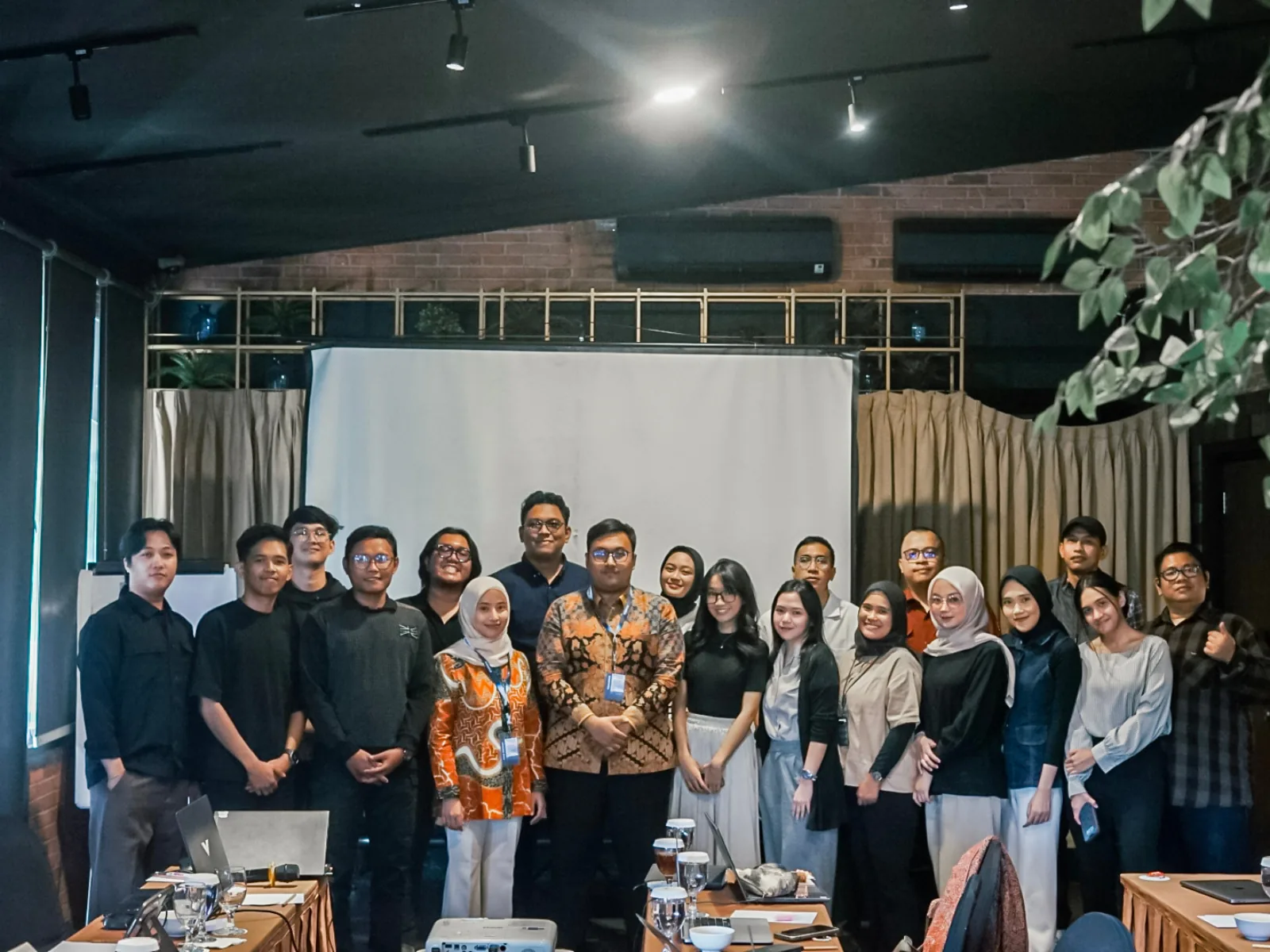
MPR RI
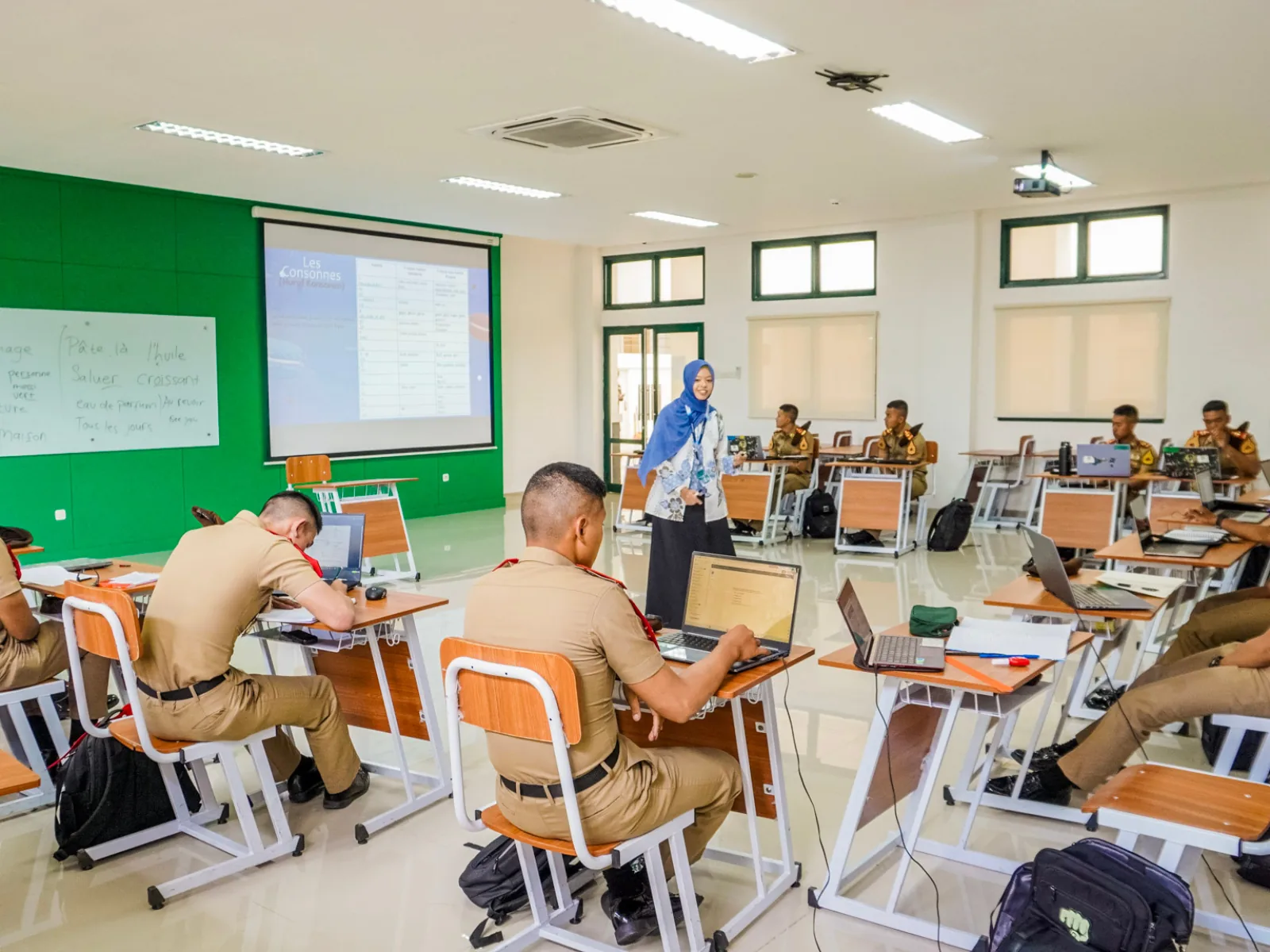
Akademi Militer Magelang
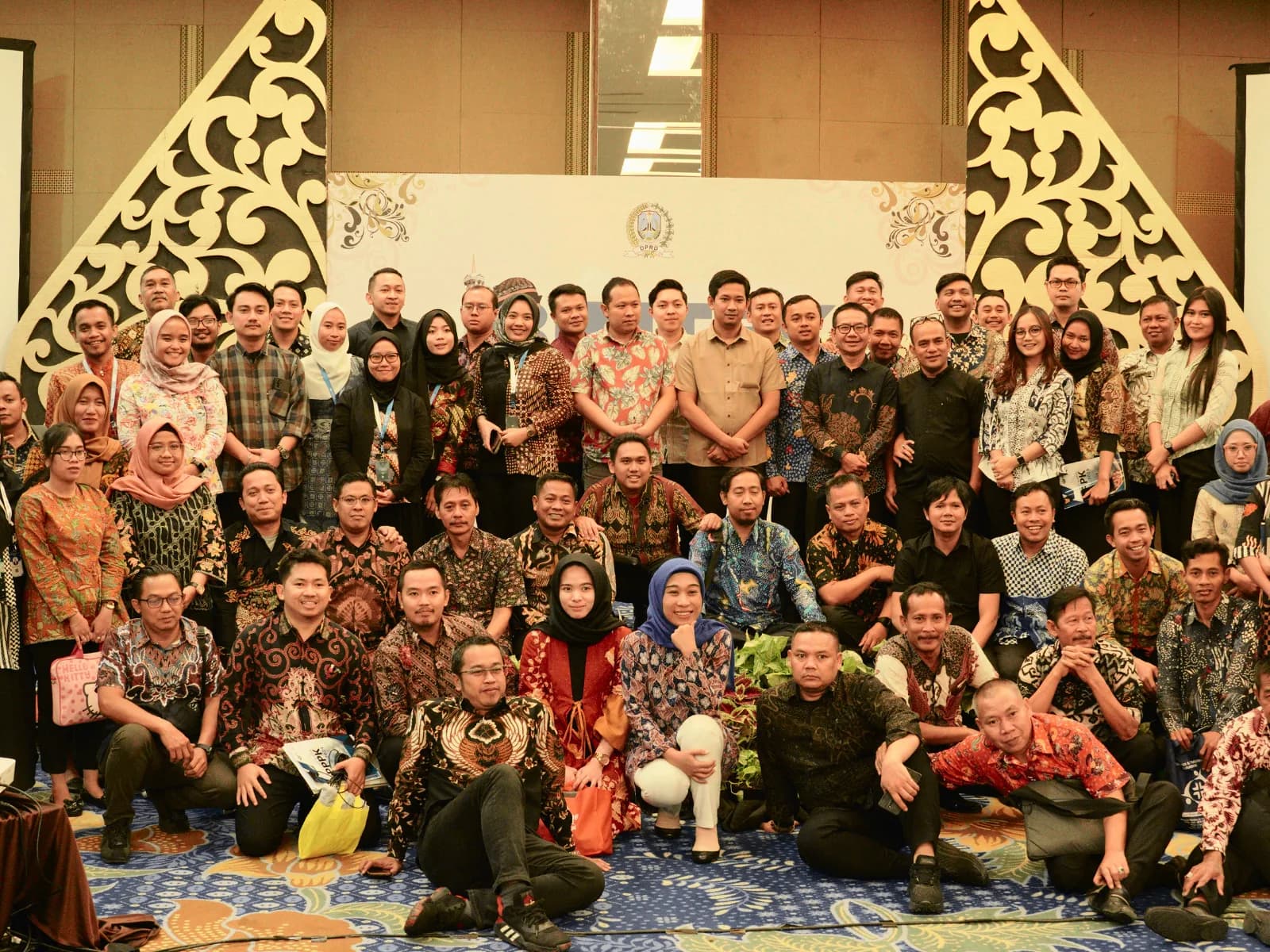
DPRD Provinsi Jawa Timur
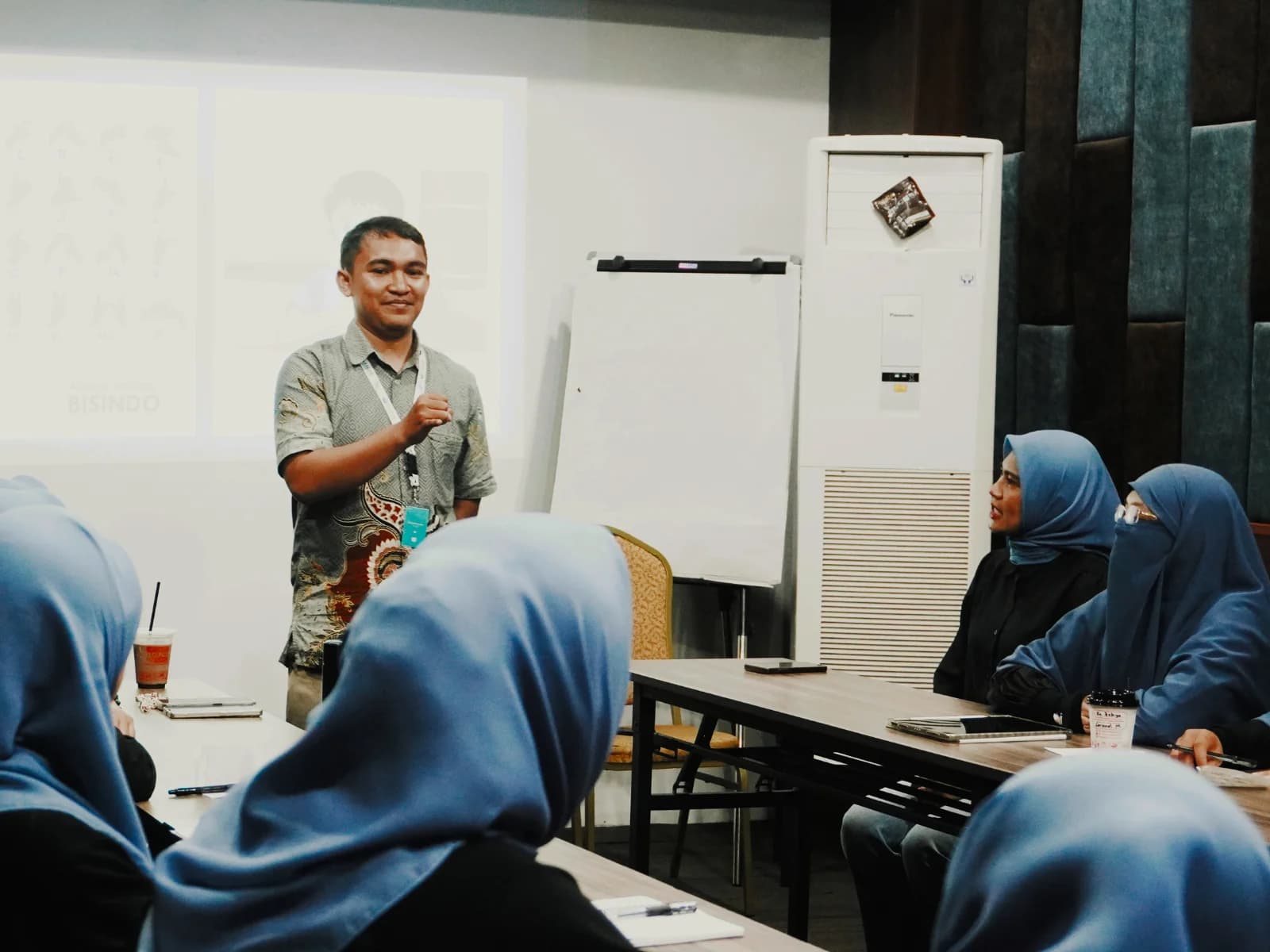
DPMPTSP Pemprov Maluku Utara
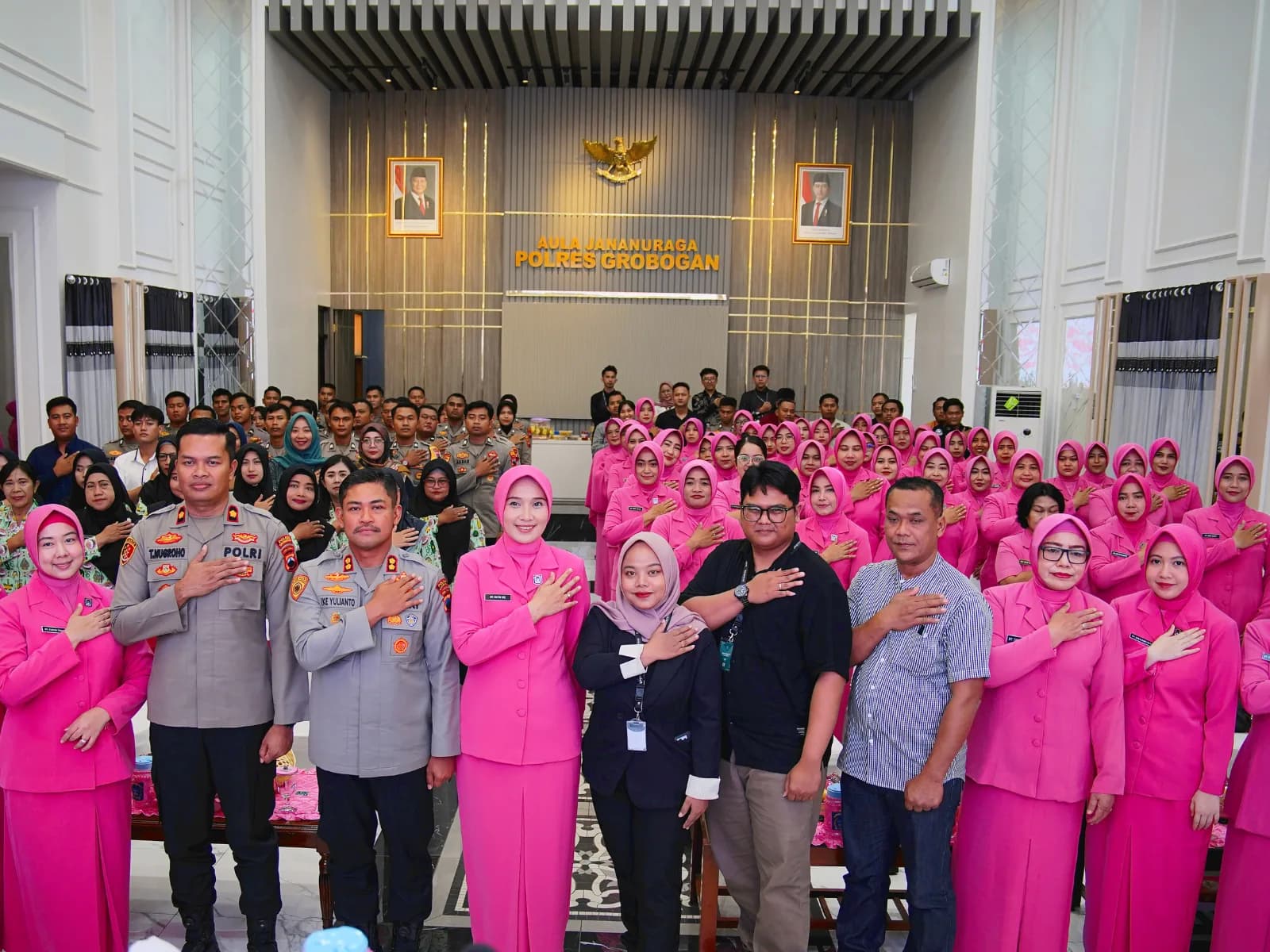
Polres Grobogan
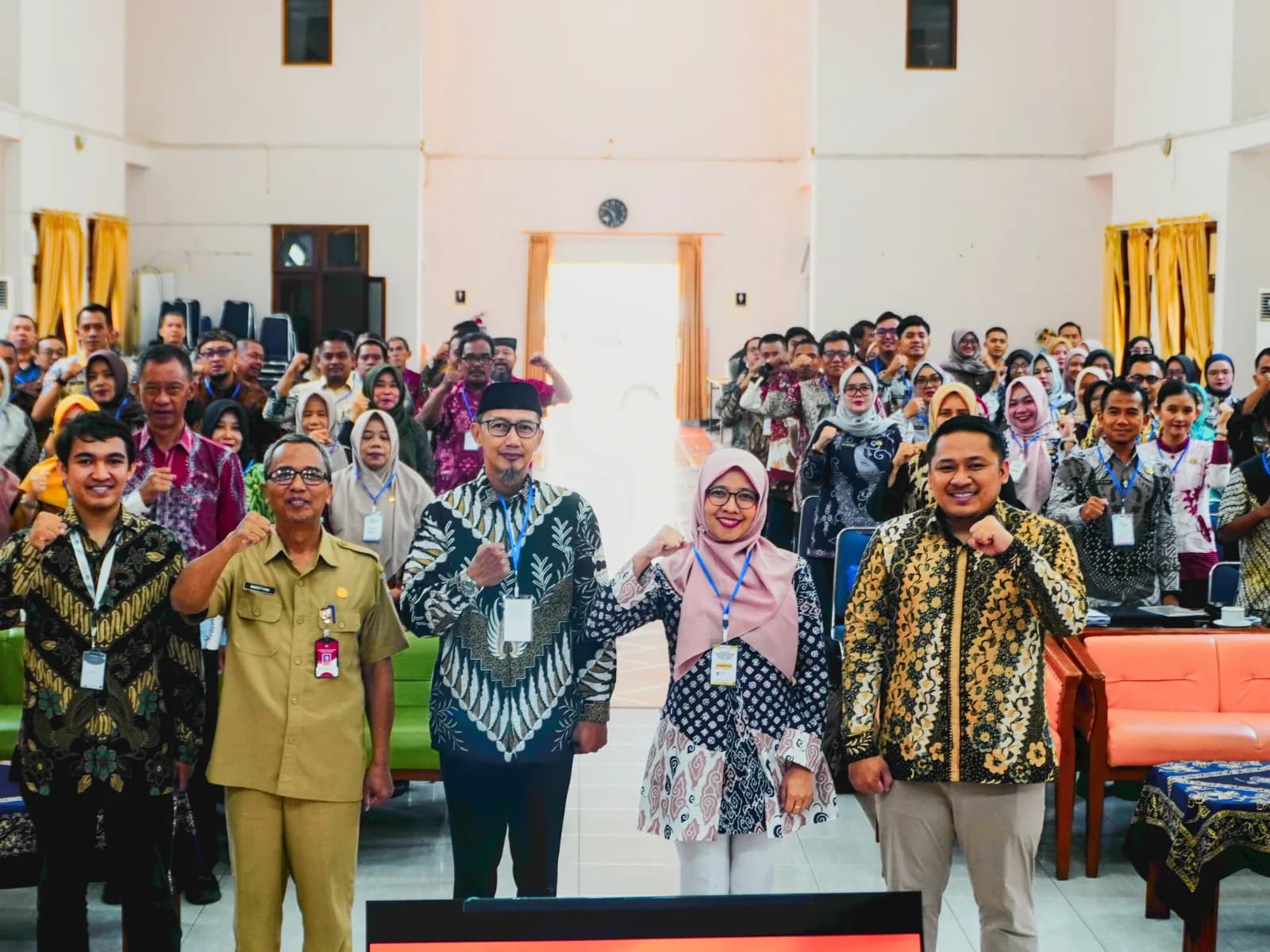
BKPSDM Cirebon
Executive Communication & Presentation
Executive communication and presentation training is an in-house program that equips managers and professionals to structure arguments top-down (Minto Pyramid Principle & SCQA), turn numbers into decision narratives (Cole Nussbaumer Knaflic's Storytelling with Data framework), and command executive presence (gravitas, communication, and credibility, per Sylvia Ann Hewlett's research) in high-stakes forums such as board meetings, credit committees, AGMs, and briefings to regulators or ministries.
Measurable Outcomes
Expected Outcomes
Indicators mapped to Kirkpatrick/Phillips evaluation levels: qualitative targets, baseline set together during the training needs analysis (TNA).
- The message goes straight to the point
- Participants pass the 'core message in 60 seconds' rubric with correct Pyramid/SCQA structure. Judged from the one-page summary each participant writes (Kirkpatrick L2).
- Proposals get approved more often
- Higher approval rate for internal proposals/pitches versus the team baseline. Read from what happens to the proposals participants carry into the room (Kirkpatrick L4).
- Stronger presence in the room
- Increased self & observer scores on gravitas and communication (Hewlett-dimension rubric). Gauged through recorded deliveries reviewed together (Kirkpatrick L3).
- Numbers land as a story people follow
- Data slides revised per Knaflic principles: right chart, minimal clutter, one decision narrative. Judged by how a participant explains a chart without reading notes (Kirkpatrick L2).
- Meetings get shorter and clearer
- Shorter presentations & meetings; tighter executive decks with faster decisions. Read from meeting length and how many revision rounds a deck needs (Kirkpatrick L4).
- Monetary value of faster decisions (optional)
- Net-benefit calculation isolating the training effect, when finance requests figures. Rupiah terms are drawn up through Phillips L5 for the board.
Program Format
Program Format Options
Chosen by participant seniority, forum urgency, and operational schedule. Finalized after the TNA. Two days is enough for one wave to work through everything, from shaping the message to standing up and delivering it. When the target is one particular forum such as a board briefing or an investor roadshow, focused coaching on that single deck is available.
Masterclass (1 day)
Intensive fundamentals: Pyramid/SCQA structure, data storytelling basics, and one recorded practice cycle with rubric feedback.
Practice Program (2-3 days)
Repeated iteration of participants' real presentations: message structure, data storytelling, executive presence, and tough Q&A, with coaching and recording each round.
Specific Pitch / Board-Deck Coaching
Guided support to prepare a real board deck, AGM material, or upcoming pitch: from storyline to committee Q&A simulation.
Free Consultation
Discuss your team's presentation training needs
We map the roles, the forums they face, and the communication gaps, then build a proposal & budget estimate based on real needs.
Curriculum
Curriculum Framework
Designed with ADDIE; final modules curated per the TNA. Topics below are the full scope that can be activated.
- Pyramid Principle: answer at the top, arguments grouped, supported by evidence
- SCQA (Situation–Complication–Question–Answer) for a sharp opening
- MECE principle: arguments neither overlap nor leave gaps
- 'So what?' and 'why?' tests to validate each pyramid level
- Building a governing thought for memos, board papers, and executive email
- Context first: who is the audience, what decision is asked, one Big Idea
- Choosing the right visual and avoiding misleading charts
- Cutting clutter (data-ink) and directing attention with preattentive attributes
- Constructing the data narrative: tension → evidence → recommended decision
- Honest slides: correct scale, clear sourcing, anti cherry-picking
- Human–AI collaboration: auditing tool suggestions without losing narrative purpose
- Three dimensions (gravitas, communication, credibility) and their relative weight
- Gravitas: composure, decisiveness, integrity, and inclusiveness
- The 2012→2022 research shift: from forcefulness to listening & authenticity
- Voice, body language, pauses, and managing nerves (state regulation)
- Building credibility: command of material, signals of readiness, and honesty
- Authority, social proof, and consistency in business arguments
- Reciprocity, liking, scarcity, unity: ethical use without manipulation
- Framing the recommendation: cost of inaction vs benefit of action
- Managing objections and answering committee critical questions
- Ethical boundary: persuasion that preserves long-term trust
- Board meetings, committees (credit/investment/risk), and AGMs (RUPS)
- Briefings to regulators, ministries, or supervisory boards
- Internal pitches for budget, projects, and executive sponsorship
- Brief crisis communication and answering adversarial questions
- 'Hot seat' simulation: pressured Q&A with a role-playing panel
- Camera setup, eye-line, framing, and lighting for on-screen credibility
- Energy and pacing for screen audiences (mitigating meeting fatigue)
- Hybrid equity: remote participants are not treated as second-class
- Managing chat, raised-hand, and cross-channel Q&A fairly
- Decks and documents that read well asynchronously after the meeting
- New World Kirkpatrick: design backward from Level 4 (results) to Level 1
- Behavior-observation rubric (Level 3) for real presentations at work
- Phillips ROI Level 5: monetize & isolate the training effect when finance asks
- 70-20-10 pattern: coaching, office hours, and practice in real forums
- Organizational deck & message-template standards as a program legacy
Comparison
Choosing the Program Format
A concise decision matrix. The final recommendation is set after the training needs analysis.
| Aspect | Masterclass (1 day) | Practice Program (2-3 days) | Pitch/Board-Deck Coaching |
|---|---|---|---|
| Primary goal | Quick fundamentals refresh | Deep skill improvement | Success in one real forum |
| Ideal participants | Manager teams (refresh) | Cross-role managers/specialists | Directors/leaders about to present |
| Practice depth | 1 recorded cycle | Repeated iteration + hot-seat Q&A | Deck guidance & specific simulation |
| Framework coverage | Pyramid/SCQA + data-story basics | Pyramid + data story + presence + Cialdini | Tailored to the forum (board/AGM/committee) |
| Evaluation level | Kirkpatrick L1-L2 | Kirkpatrick L1-L3 (+Phillips L5) | Forum-outcome focus (qualitative L4) |
| Best suited for | Awareness & quick win | Standardizing team capability | High stakes, limited time |
For Whom
Who Is This Program For?
Role-tailored via the TNA for direct relevance to the forums they face.
Managers & future leaders (high-potential)
Frequently present to leadership, committees, or the board and need structure plus convincing presence.
Common challenges
- Rambling messages; the conclusion only emerges at the end
- Nervous and losing control during pressured Q&A
- Hard to simplify complexity without losing substance
Specialists & technical/analytical teams
Must explain complex analysis to non-technical audiences and decision-makers.
Common challenges
- Too much technical detail; the 'so what' is unreadable
- Data slides are crowded and do not drive a decision
- Hard to convince stakeholders skeptical of numbers
Directors & unit heads
Present at AGMs, the board, regulators, or in public where stakes are high.
Common challenges
- Reputational pressure in forums watched by shareholders/regulators
- Strategy messages hard to package concisely and credibly
- Inconsistency between strong substance and weak delivery
HR, L&D & People Development teams
Raise organizational communication standards and prove the impact to leadership.
Common challenges
- Inconsistent presentation quality across teams and levels
- Generic 'public speaking' training does not stick at work
- No recognized evaluation framework (Kirkpatrick/Phillips)
Industry Context
Use Cases by Industry
One specific use case per industry, naming real forums & contexts in that vertical.
Credit & risk committee pitches with Pyramid structure (recommendation → exposure → mitigation), briefings to OJK/regulators, and town halls: honest, decision-ready risk-data slides.
See in Banking & Financial Services context →Product & roadmap pitches to leadership, metric-driven business reviews (Knaflic data narrative with curated visuals for decisions), all-hands demos, and initiative budget defenses.
See in Technology & Startups context →AGM (RUPS) materials and briefings to ministries/boards of commissioners with credible executive presence and a defensible argument trail; cross-directorate coordination meetings.
Regional business reviews with a sharp sales storyline, campaign pitches to principals/partners, and leadership presentations where numbers drive the decision.
See in Retail & FMCG context →Policy briefings to leadership & across agencies, clear and unambiguous public communication, and answering adversarial questions in hearings.
See in Government & Public Sector context →Delivery Method
Delivery
Every format centers on recorded practice and active iteration: participants present repeatedly with rubric-based feedback.
In-house on-site
Facilitator comes to the office/training venue; each participant presents, is recorded, reviews the footage, and iterates with individual coaching.
Live online
Interactive class via Zoom/Teams with hands-on breakouts, per-participant recording, and a dedicated on-camera credibility module (eye-line, framing, energy).
Hybrid
On-site sessions for intensive practice & 'hot seat' Q&A, followed by online office hours coaching the participant's next real presentation.
Engagement Flow
Engagement Path
From need to measurable impact: qualitative durations, adapted to organization scale.
Training Needs Analysis (TNA)
Mapping roles, the forums faced (board/committee/AGM/regulator), recent presentation samples, and communication gaps. Output: needs profile + measurement baseline.
Initial stageProgram Design (ADDIE, backward from Level 4)
Learning objectives and rubrics designed backward from the desired business result (New World Kirkpatrick); role-specific syllabus using your real presentation cases.
Before deliveryDelivery: Wave 1 (Champion/Leaders)
A leader/champion group is trained first (70-20-10 pattern) to set the standard and drive adoption before scaling out.
First waveDelivery: Recorded Practice & Iteration
Subsequent batches roll out: each participant presents repeatedly, is recorded, scored against a rubric, and faces a pressured Q&A simulation ('hot seat').
Rolling per batchKirkpatrick Evaluation
Level 1-3 measurement (reaction, assessment, real-presentation behavior observation via rubric). Phillips ROI Level 5 if finance requests monetized figures.
After each waveFollow-up & Institutionalization
Office hours, coaching the next real presentation, and organizational deck/message-template standards as a program legacy.
OngoingCase Studies
Typical Outcome Patterns
Indicative impact based on similar program structures. Illustrative, with no named clients or promised numbers.
Tech-division managers who frequently pitch initiatives to leadership
Intervention
2-day Pyramid/SCQA + data-storytelling practice program, presentations recorded and iterated
Result
More concise internal pitches with the conclusion up front; improved initiative approval and shorter decision meetings
Unit leaders at a financial-services institution facing credit committees & regulators
Intervention
Real board/committee deck coaching + pressured Q&A simulation
Result
More convincing and efficient committee briefings; critical questions better anticipated through a tidy argument structure
Secretariat & unit heads at an institution/BUMN preparing AGM/ministry materials
Intervention
Guided executive-presence workshop + official-document storyline restructuring
Result
Tighter, more credible official materials; calmer delivery with a defensible argument trail
Procurement Info
Information for Procurement & Vendor Management
What your procurement, finance, and legal teams need.
Structured proposal: measurable learning objectives, syllabus (Pyramid/SCQA, data storytelling, executive presence), facilitator profiles, schedule, and TNA-based cost breakdown.
TNA-based: flat per program, per session, per participant, tiered, or custom. No standard figure without a needs analysis; an estimate is provided after the TNA.
Flexible terms (deposit + balance / per-batch terms); tax invoice (VAT/PPN) and PO document support available.
Familiar with BUMN/agency procurement stages: vendor documents, e-procurement, owner's-estimate/bid, and compliance clauses.
New World Kirkpatrick Level 1-3 evaluation report (reaction, assessment, behavior observation via rubric); Phillips ROI Level 5 on finance request.
NDA signing; practice recordings belong to the participant/company, stored/deleted per policy, and not used outside training without consent.
FAQ
Frequently Asked Questions
Next Step
Discuss your team's presentation training needs
We map the roles, the forums they face, and the communication gaps, then build a proposal & budget estimate based on real needs.
- Proposal & syllabus (Pyramid/SCQA, data storytelling, executive presence)
- Procurement-ready documents (company profile, tax ID, NDA, VAT invoice)
- New World Kirkpatrick impact measurement (Phillips ROI on request)
Explore More
Related Topics
Executive Communication & Presentation training for your State-Owned Enterprises (BUMN) team
We map the roles, the forums they face, and the communication gaps, then build a proposal & budget estimate based on real needs.
- Proposal & syllabus (Pyramid/SCQA, data storytelling, executive presence)
- Procurement-ready documents (company profile, tax ID, NDA, VAT invoice)
- New World Kirkpatrick impact measurement (Phillips ROI on request)