Negotiation & Influence Training for the State-Owned Enterprises (BUMN) Sector
SOE negotiation operates within formal procurement frameworks: Permen BUMN PER-08/MBU/12/2019 for general SOEs and Presidential Reg. 12/2021 jo. 16/2018 for budget-linked units. Every concession must be documented and survive BPK and KPK audit. SOE negotiators face more agile private vendors, so disciplined deliberation (musyawarah), ethical yet principled, is essential. Frameworks: Fisher & Ury (principled negotiation), Cialdini for ethical influence, and an accountability-trail protocol.
- 4.9/5 · 287 reviews
- 300+ clients nationwide
- 2,000+ trainers
- 1 to hundreds of participants
- Standard · Premium · Private 1-on-1
- format
- In-house / hybrid
- duration
- 3 intensive days per batch
- participants
- 12-20 per batch (intensive simulation)
- language
- Indonesian / English
2,000+ trainers and experts
Our group's teaching network, matched to what your team needs.
See class documentationYou see your trainer first
The trainer's profile, track record and field come with the proposal, before you decide.
4.9 out of 5
287 participant reviews.
300+ clients nationwide and 180,000+ private training sessions completed. Among them: MPR RI, Akademi Militer Magelang, DPRD Provinsi Jawa Timur.
One person to hundreds
Private coaching for one participant, a class for one team, or several cohorts at once.
Three budget levels
- Standard: core class, material fitted to the participants’ work
- Premium: senior trainer, deeper material design
- Private 1-on-1: one participant, one trainer, schedule set by the participant
Why Business Negotiation & Influence is different in State-Owned Enterprises (BUMN)
SOE negotiation operates within formal procurement frameworks: Permen BUMN PER-08/MBU/12/2019 for general SOEs and Presidential Reg. 12/2021 jo. 16/2018 for budget-linked units. Every concession must be documented and survive BPK and KPK audit. SOE negotiators face more agile private vendors, so disciplined deliberation (musyawarah), ethical yet principled, is essential. Frameworks: Fisher & Ury (principled negotiation), Cialdini for ethical influence, and an accountability-trail protocol.
- BPK/SPI audit findings related to the negotiation processNo material findings on process and documentation
- Post-negotiation vendor performanceSLAs met on most significant packages
- Time-to-contract from provider selectionDeclining with multi-issue package discipline in clarification
- Permen BUMN PER-08/MBU/12/2019 — General Guidelines for SOE Procurement of Goods/Services
- Presidential Reg. 12/2021 — Amendment to Presidential Reg. 16/2018 on Government Procurement
- LKPP Reg. 12/2021 — Guidelines for Government Procurement via Providers
- Law 31/1999 jo. 20/2001 (Anti-Corruption) — Negotiation ethics & gratification
- SOE Procurement & Supply Chain Manager
- Procurement Committee / Procurement Officer
- Senior Buyer & Strategic Sourcing Officer
- Legal Counsel for government/SOE contracts
- Internal Auditor / SPI
- Director of Procurement / SEVP Procurement
- Full negotiation trail: minutes of clarification/negotiation, basis of consideration, objective criteria
- Conflict-of-interest & gratification management with consistent SOP
- Balanced contract risk allocation (penalties, force majeure, scope change)
- TKDN compliance negotiation aligned with mandate without compromising quality
- Ethical cross-directorate and cross-work-unit influence through documented musyawarah
Quick Answer
Business negotiation & influence training is an in-house program that trains commercial teams and leaders to use interest-based negotiation (Fisher & Ury: BATNA, ZOPA), Lax & Sebenius's three-dimensional strategy, Cialdini's ethical influence principles, and tactical empathy (Voss), through simulations drawn from your company's deals, then measured with the Kirkpatrick model.
Mapped to recognized negotiation frameworks
The curriculum rests on principled negotiation from Getting to Yes (Fisher & Ury, Harvard Program on Negotiation), Lax & Sebenius's three-dimensional strategy, Getting Past No (Ury), Cialdini's seven influence principles, and tactical empathy (Chris Voss).
The ethical boundary of influence: trust is a commercial asset
Cialdini's principles raise persuasion, but manipulative tactics damage relationships, reputation, and long-term value, often costlier than the deal won. This program draws a firm line between influence that builds trust and manipulation that erodes it.
The most common mistake: tactics at the table without setup & preparation
Many trainings stop at 'at the table' tricks. Lax & Sebenius show the setup dimension (parties, sequence, expectations) and deal design often determine the outcome most. Without a BATNA/ZOPA prep sheet and measurement (Kirkpatrick/Phillips), behavior does not change and impact is unproven.
Clients & Documentation
Some of the institutions we have trained
Photos from sessions we have delivered, each one named after the institution it belongs to.
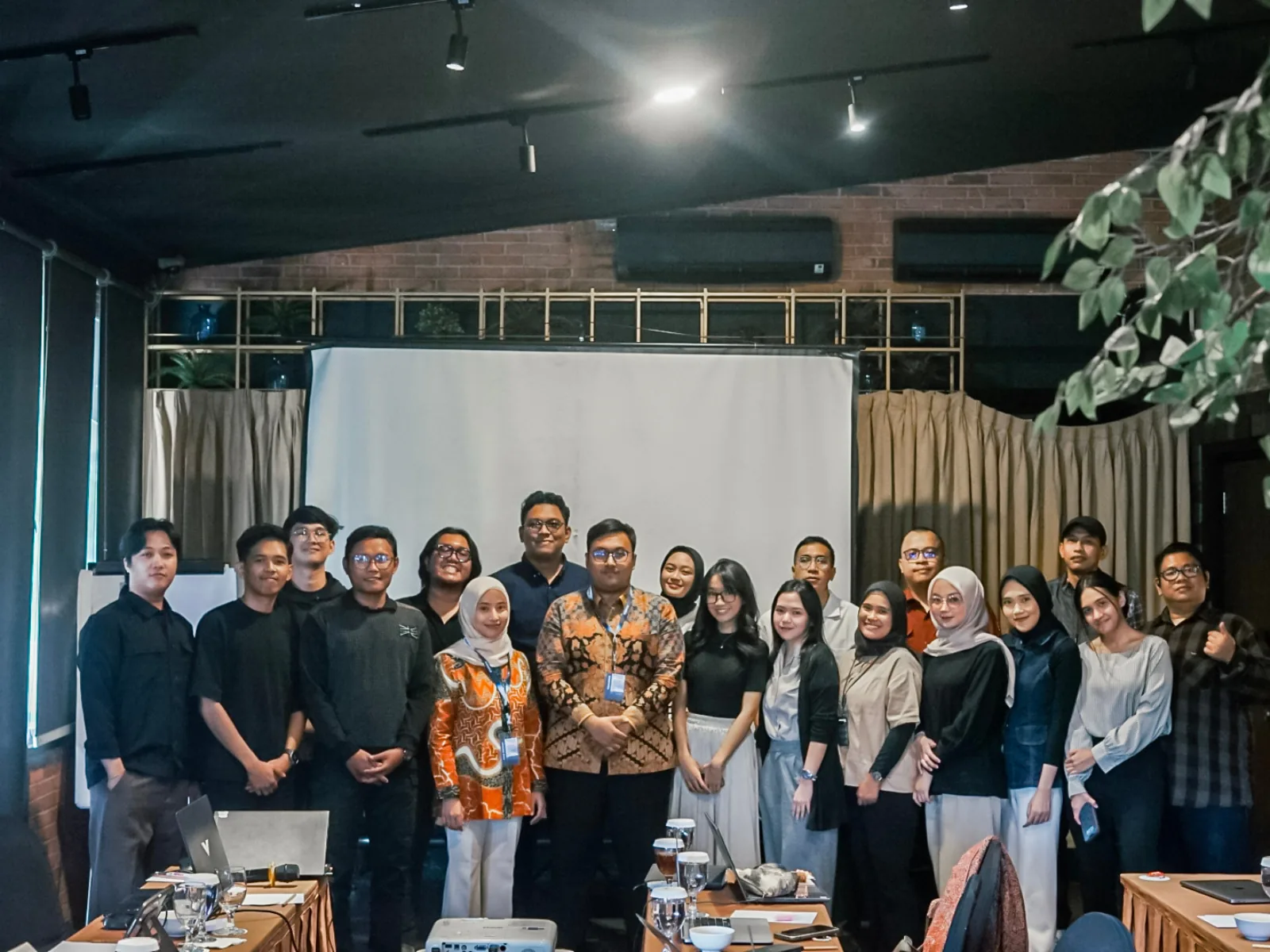
MPR RI
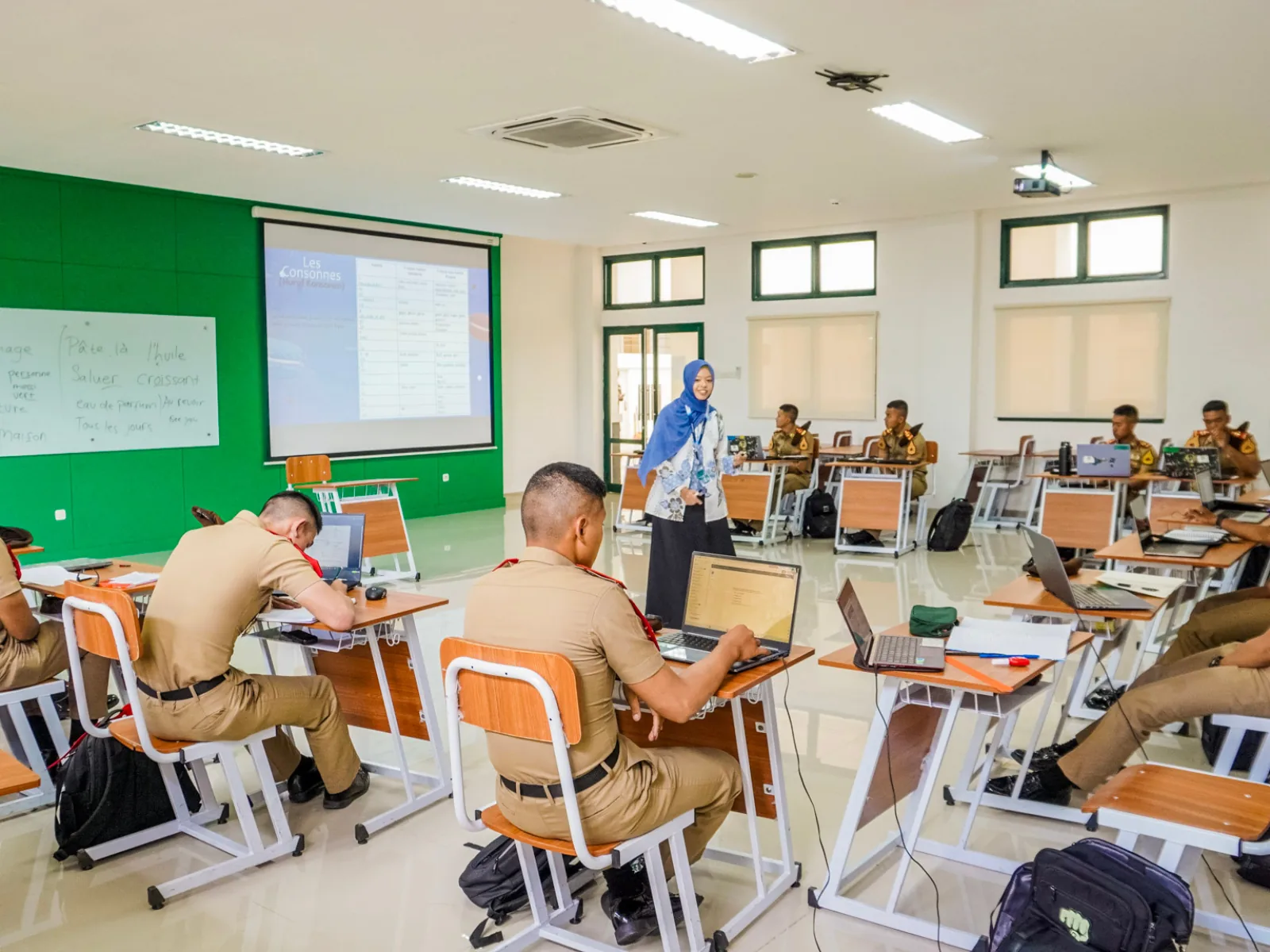
Akademi Militer Magelang
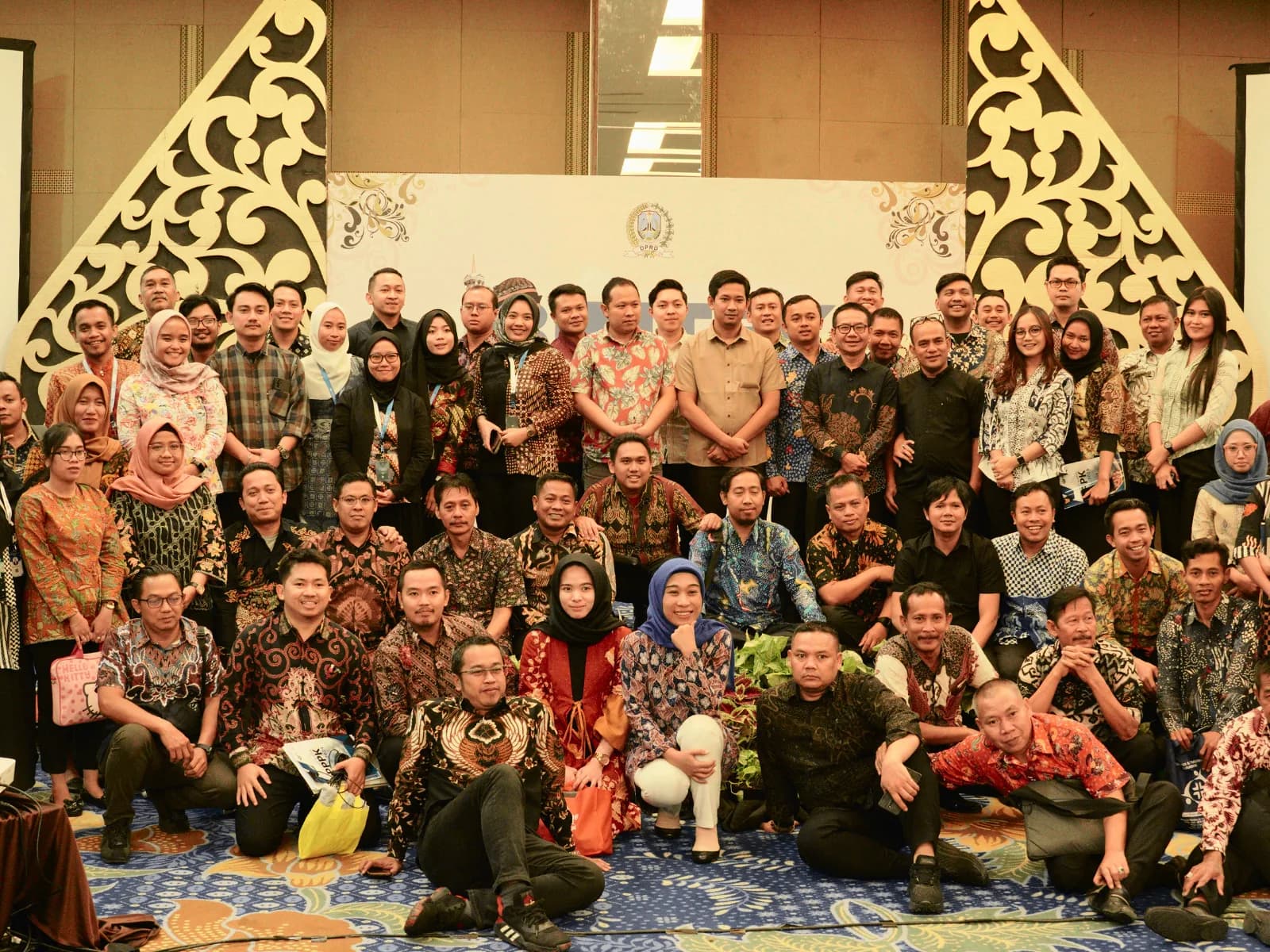
DPRD Provinsi Jawa Timur

DPMPTSP Pemprov Maluku Utara
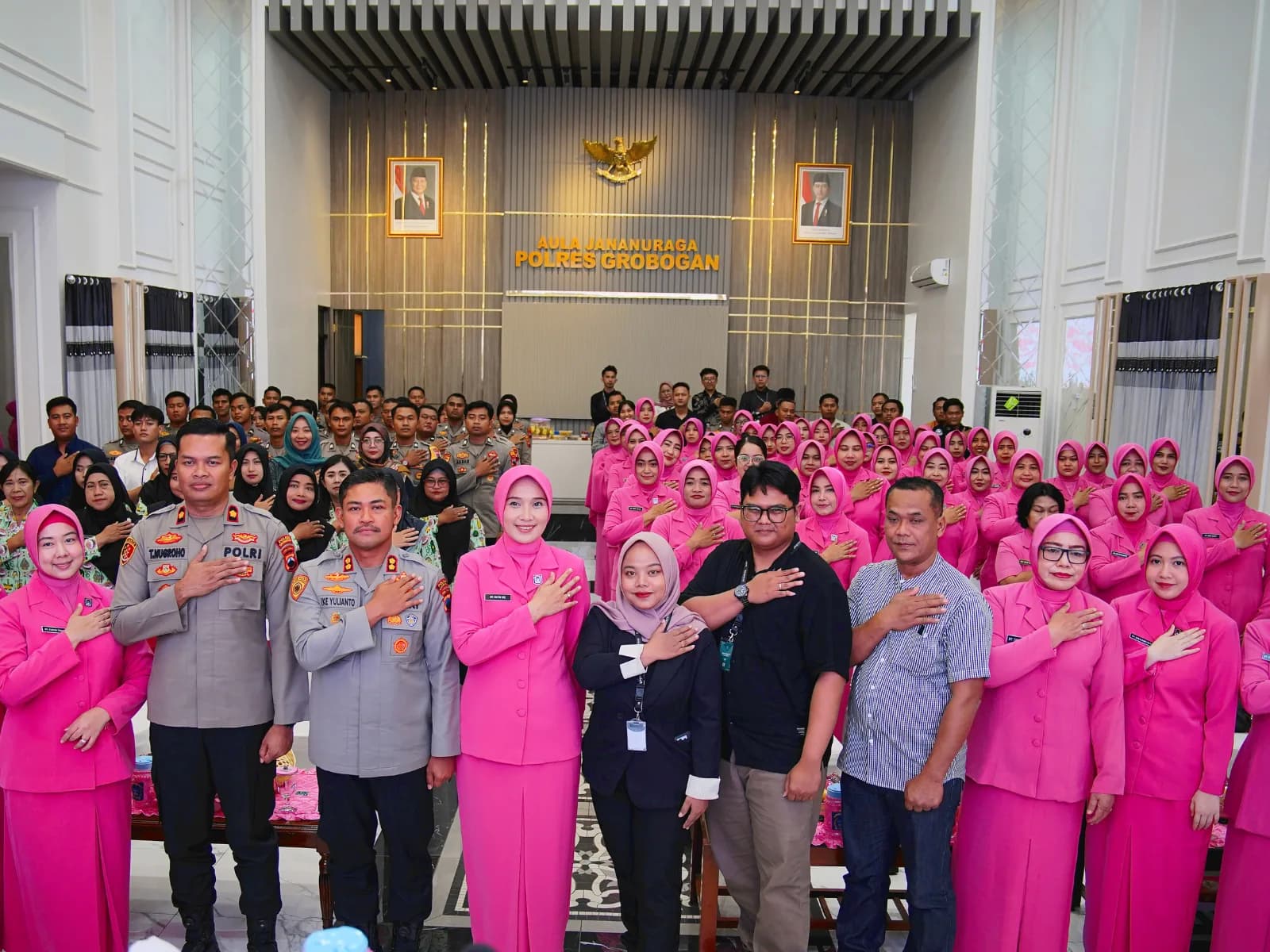
Polres Grobogan
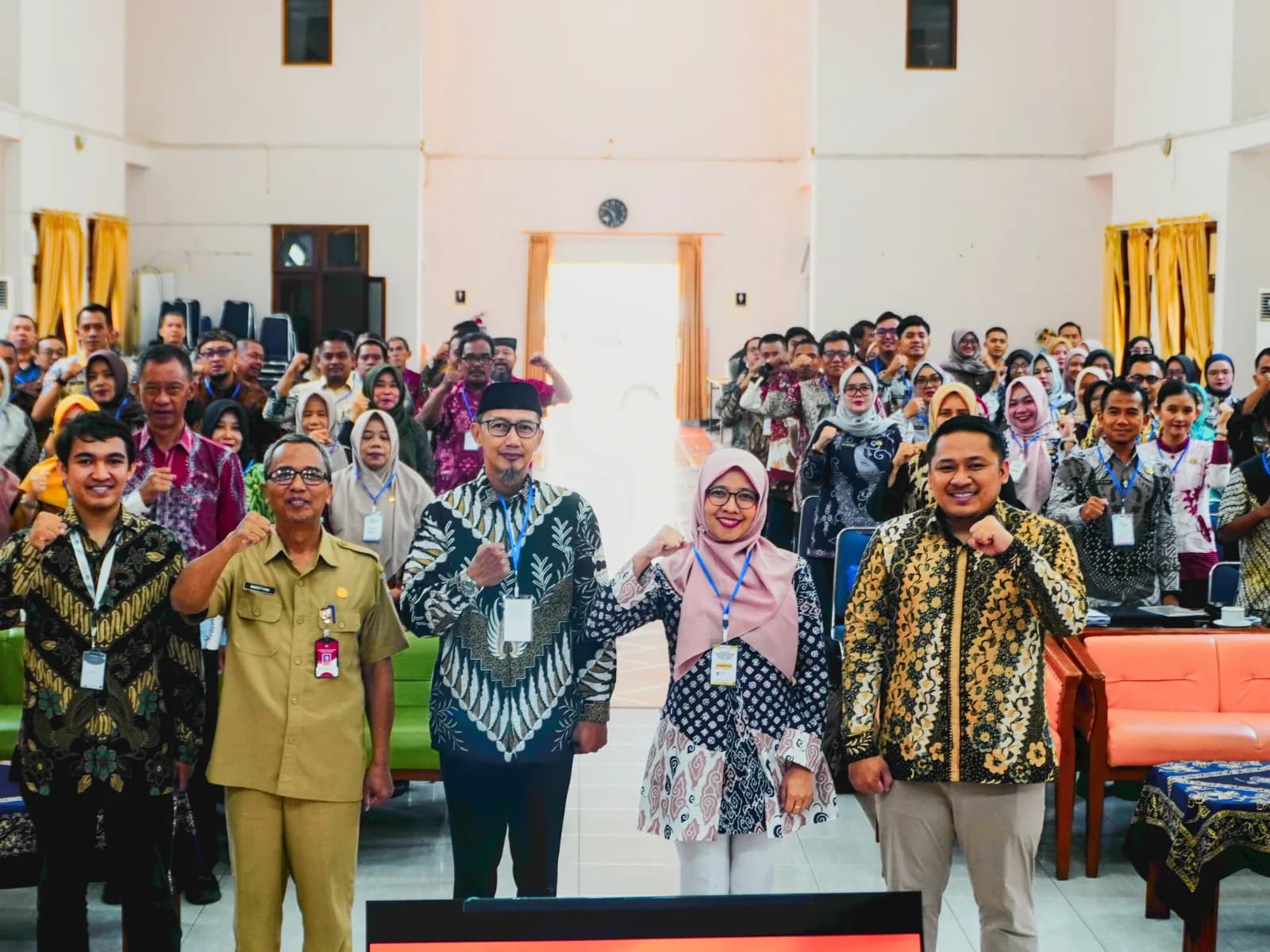
BKPSDM Cirebon
Business Negotiation & Influence
Business negotiation and influence training is an in-house program that equips commercial teams and leaders with interest-based negotiation frameworks (principled negotiation from Getting to Yes, Fisher & Ury), BATNA/ZOPA analysis, Lax & Sebenius's three-dimensional strategy (setup, deal design, at-the-table tactics), Cialdini's ethical influence principles, and tactical empathy techniques (Chris Voss), so teams can both create and claim value while protecting long-term relationships: trained through simulations drawn from your company's deal types and measured with the Kirkpatrick model.
Measurable Outcomes
Expected Outcomes
Success indicators mapped to Kirkpatrick/Phillips evaluation levels: qualitative targets, set jointly during the TNA against the team baseline.
- Preparation before the table becomes disciplined
- Every key negotiation has a written prep sheet: interests, BATNA, reservation point, ZOPA, and objective targets. Visible in the preparation sheet filled in before each meeting (Kirkpatrick L3).
- Deal value improves
- Improving trend in negotiated margin/savings vs baseline; fewer reactive concessions given without return. Read from the final terms agreed on the next transaction (Kirkpatrick L4).
- The negotiation frameworks are mastered
- Participants pass the assessment: interests vs positions, BATNA/ZOPA, the 3 dimensions, and ethical influence boundaries. Judged through facilitator debriefs of each simulation round (Kirkpatrick L2).
- Relationships with partners stay intact
- Agreements preserve strategic customer/vendor relationships. Value claiming does not damage partnerships. Read from how willing partners are to continue working together (Kirkpatrick L4).
- The whole team works the same way
- Standardized negotiation approach & playbook across teams, with a shared framework language. Proven when team members use the same vocabulary and sequence (Kirkpatrick L3 transfer).
- Monetary value of improved deals (optional)
- Estimated added value/savings with isolation of training effects, when finance requires a figure. Deal value in rupiah is computed under Phillips L5, taken by choice.
Program Format
Program Format Options
Chosen by deal type, team maturity, and operational schedule, finalized after the TNA. Three full days leaves room for repeated simulation with a debrief between rounds. When one large deal is live, a dedicated war room session can be prepared to ready the team before they walk to that table.
Intensive Negotiation Lab (2-3 days)
Tiered simulations from simple distributive to integrative and multi-party, with recorded behavioral debriefs, applying the Harvard, 3-D, Cialdini, and tactical-empathy frameworks to your company's cases.
Phased Modular Program
Separate sessions (70-20-10 pattern) with real negotiation tasks between sessions, on-the-job coaching, and prep-sheet reviews in real work.
Specific Deal War Room
Facilitated preparation for one real major negotiation: interest & stakeholder mapping, BATNA design, concession-package design, and the setup dimension (who, sequence, expectations) per Lax & Sebenius.
Free Consultation
Discuss your team's negotiation training needs
We map your roles, deal types, and your team's negotiation behavior gaps, then build a proposal & budget estimate grounded in real needs.
Curriculum
Curriculum Framework
Built with ADDIE; final modules curated from the TNA and deal type. Topics below are the full coverage that can be activated.
- The four pillars of Getting to Yes (Fisher & Ury): separate people from the problem, focus on interests not positions, generate mutual-gain options, use objective criteria
- Interests vs positions: digging into the 'why' behind demands
- BATNA: calculating & strengthening the best alternative as real bargaining power
- Reservation point & ZOPA: setting an honest walk-away point and zone of possible agreement
- Objective criteria & market standards to break positional tug-of-war
- Distributive vs integrative: when to claim value, when to create value
- Standard prep sheet: parties' interests, BATNA, targets, ZOPA, concession package, tradeable concessions
- Dimension 1 (at-the-table tactics): bargaining flow, issue sequencing, information management
- Dimension 2 (deal design): multi-issue packages, contingencies, value-unlocking structures
- Dimension 3 (setup): the right parties, approach sequence, expectations, consequences of 'no'
- The negotiator's dilemma: creating joint value without being exploited by a value-claimer
- Anchoring & framing: setting & neutralizing anchors, effect on the settlement point
- Concession strategy: patterns, decreasing magnitude, and the 'never give without return' principle
- Logrolling & trading across issues to expand the pie before dividing it
- Recognizing & countering hard tactics: good cop/bad cop, ultimatum, salami, the nibble
- Getting Past No (Ury): go to the balcony, step to their side, reframe, build a golden bridge, make it hard to say no
- Cialdini's seven principles: reciprocity, commitment & consistency, social proof, authority, liking, scarcity, unity
- The ethical boundary: influence that builds trust vs manipulation that destroys relationships & reputation
- Tactical empathy (Chris Voss): mirroring, labeling, the accusation audit
- Calibrated questions ('how'/'what') and 'no'-oriented questions to open up solutions
- Behavioral Change Stairway: active listening → empathy → rapport → influence → behavior change
- Multi-party negotiation: coalitions, sequencing, and right-party management (3-D setup)
- Team negotiation: lead/recorder/observer roles, internal message discipline
- Influence without authority: internal cross-functional negotiation & stakeholder management
- Indonesian context: high power distance, collectivist/high-context culture, the role of relationships & musyawarah
- Cross-cultural: reading high-context vs low-context signals and adjusting pace & channel
- Building a standard team playbook & prep sheet as a company asset
- 70-20-10 pattern: real deal tasks, debriefs, and application office hours
- Kirkpatrick Level 1-4 evaluation for a negotiation program
- Phillips ROI Level 5: monetizing value/savings & isolating training effects
- 30-60-90 day plan & prep-sheet review cadence after the program
Comparison
Choosing a Program Format
A concise decision matrix. The final recommendation is set after the training needs analysis.
| Aspect | Intensive Negotiation Lab (2-3 days) | Phased Modular Program | Specific Deal War Room |
|---|---|---|---|
| Primary goal | Build core capability & playbook | Sustained behavior transfer | Win one real major deal |
| Ideal participants | Core sales/procurement/BD teams | Teams with busy schedules | Teams preparing a high-value deal |
| Framework depth | Full: Harvard + 3-D + Cialdini + Voss | Phased, reinforced by real tasks | Applied to one specific case |
| Evaluation level | Kirkpatrick L1-L3 | Kirkpatrick L1-L4 (+Phillips L5) | Kirkpatrick L1-L2 + deal outcome |
| Best suited for | Standardize team capability | Long-term behavior change | Preparing a critical negotiation |
For Whom
Who Is This Program For?
Role-tailored via the TNA: pressure vectors & deal types differ per function, so uniform content is wasteful.
Sales & key account teams
Negotiate pricing, term sheets, and corporate customer contracts while protecting margin & relationships.
Common challenges
- Discount too quickly without return under target pressure
- Lose to the other side's anchor and lose control of the settlement point
- Chase one closing until it damages long-term relationship & value
Procurement & vendor management teams
Negotiate sourcing, SLAs, and long-term contracts on a total-cost-of-ownership basis.
Common challenges
- Weak bargaining position because the BATNA (alternative sources) is not prepared
- Focus only on price, ignoring TCO and non-price value clauses
- No supply-category mapping (e.g. Kraljic), so a uniform bargaining strategy for all vendors
Partnership, BD & commercial legal teams
Design multi-issue deals, JVs, and long-term partnerships that unlock joint value.
Common challenges
- Negotiation stuck in positional clashes, integrative options untapped
- Wrong setup: parties/sequence/expectations not managed before the table
- Hard to balance creating vs claiming value (the negotiator's dilemma)
Managers, PMs & leaders
Negotiate internally across functions, resources, and priorities without formal authority.
Common challenges
- Hard to secure resources & cross-department commitment
- Priority conflicts turn into positional tug-of-war that harms working relationships
- No consistent ethical-influence language & framework
Industry Context
Use Cases by Industry
One specific use case per industry, naming the deal type & real dynamics in that vertical.
Corporate pricing, term sheet, and restructuring negotiation: surfacing client/committee interests, designing multi-issue packages (tenor, collateral, covenants) per 3-D, and objective criteria from market benchmarks so concessions are measured.
See in Banking & Financial Services context →Supply contract & raw-material price negotiation: preparing the BATNA (alternative sources), category-based strategy (Kraljic) for leverage vs strategic items, and logrolling lead time vs price vs volume.
See in Manufacturing context →Trading-term negotiation with principals & suppliers: anchoring listing fees/rebates, multi-issue packages (payment terms, promotions, shelf space), and protecting the long-term principal relationship.
See in Retail & FMCG context →Rate, SLA, and long-term contract negotiation: total cost of ownership vs unit price, performance & penalty clauses, and contingency design for volume/fuel fluctuation.
See in Logistics & Supply Chain context →Large multi-party project & vendor contract negotiation: coalition & party-sequence management (3-D setup), stakeholder mapping, and navigating the negotiator's dilemma on high-value deals.
See in Energy & Resources context →Procurement & partnership negotiation with an accountability trail: alignment with procurement process, defensible objective criteria, and ethical influence across work units and musyawarah-based decision-making.
Delivery Method
Delivery
Format adapts to team distribution & operational schedule; every format is simulation-intensive with behavioral debriefs.
In-house on-site
Facilitator comes to the office/training venue; a Negotiation Lab with role simulations, recording, and per-participant behavioral debriefs using company cases.
Live online
Interactive class via Zoom/Teams with simulation breakout rooms, screen-share review, and session recordings. Suited to theory modules & follow-up coaching.
Hybrid
On-site sessions for intensive simulation & war room, followed by online office hours for coaching application on real deals (70-20-10 pattern).
Engagement Flow
Engagement Path
From need to measured impact: qualitative durations, adapted to scale & deal type.
Training Needs Analysis (TNA)
Mapping roles, deal types, negotiation behavior gaps, and business goals. Output: a needs profile + measurement baseline.
Initial stageProgram Design (ADDIE)
Defining learning objectives, role-based syllabus, scenarios & term sheets from your deals, and the framework map (principled negotiation/3-D/Cialdini/Voss).
Before deliveryDelivery: Core Group (Champions)
A core group is trained first (70-20-10 pattern) to drive adoption and validate scenarios before scaling.
First waveDelivery: Roll-out & Negotiation Lab
Next batches roll out: tiered simulations, recording, and per-participant behavioral debriefs across teams.
Rolling per batchApplication & Coaching
Real deal tasks, office hours, and application coaching; prep-sheet reviews in real work (30-60-90 day plan).
After each waveEvaluation & Institutionalization
Kirkpatrick L1-L4 evaluation (Phillips L5 if requested), a standardized negotiation playbook, and a negotiation-capability maturity roadmap.
OngoingCase Studies
Typical Outcome Patterns
Indicative impact patterns based on similar program structures. Illustrative, with no named clients or promised numbers. The frameworks referenced (Harvard PON, 3-D, Cialdini) are external literature; Neksus makes no result claims on top of them.
Multi-category procurement team
Intervention
3-day Negotiation Lab + standard prep sheet + category-based strategy (Kraljic)
Result
Written BATNA & ZOPA discipline before negotiating; improving savings trend with traded concessions
Cross-region key account sales team
Intervention
Modular program + real deal tasks + application coaching (70-20-10)
Result
Fewer impulsive discounts, better-protected margins; standardized negotiation approach across teams with a shared framework language
Partnership/BD team for multi-party deals
Intervention
Specific deal war room + 3-D setup & stakeholder mapping
Result
Integrative options surfaced earlier; parties & approach sequence managed before the table, reducing positional deadlock
Procurement Info
Information for Procurement & Vendor Management
What procurement, finance, and legal teams need.
Structured proposal: measurable learning objectives, role-based syllabus, framework map (principled negotiation/3-D/Cialdini/tactical empathy), facilitator profiles, schedule, and TNA-based cost breakdown.
TNA-based: flat per program, per session, per participant, tiered, or custom. No standard figure without a needs analysis; an estimate follows the TNA.
Flexible terms (deposit + balance / per-batch terms); tax invoice (PPN/VAT) and PO documentation support available.
Familiar with state-owned-enterprise/agency procurement stages: vendor documents, e-procurement, owner's estimate/bid, and compliance clauses.
Kirkpatrick Level 1-3 evaluation report (attendance, framework assessment, simulation debrief results); Phillips ROI Level 5 on finance's request.
NDA signing, participant data confidentiality clauses, and handling of simulation recordings and term-sheet materials per your information-security policy.
The negotiation playbook & standard prep sheet built for the company belong to the company; training-material usage rights are agreed in the contract.
FAQ
Frequently Asked Questions
Next Step
Discuss your team's negotiation training needs
We map your roles, deal types, and your team's negotiation behavior gaps, then build a proposal & budget estimate grounded in real needs.
- Proposal, role-based syllabus, and framework map
- Simulations built on your own real deals + per-participant behavioral debrief
- Procurement-ready documents (company profile, tax ID, NDA, VAT invoice)
Explore More
Related Topics
Business Negotiation & Influence training for your State-Owned Enterprises (BUMN) team
We map your roles, deal types, and your team's negotiation behavior gaps, then build a proposal & budget estimate grounded in real needs.
- Proposal, role-based syllabus, and framework map
- Simulations built on your own real deals + per-participant behavioral debrief
- Procurement-ready documents (company profile, tax ID, NDA, VAT invoice)