Digital Transformation Training for the Manufacturing Sector
Manufacturing boards execute Industry 4.0 amid brownfield reality: plants decades old, Operational Technology (OT) that must run without downtime, and technology capex competing with capacity capex. Key executive decisions: value-pool prioritization (yield, OEE, energy, quality), operational-data architecture (data lake vs unified namespace), and an OT-IT target operating model, while OHS and ISO 45001 remain non-negotiable.
- 4.9/5 · 287 reviews
- 300+ clients nationwide
- 2,000+ trainers
- 1 to hundreds of participants
- Standard · Premium · Private 1-on-1
- format
- In-house / hybrid / online
- duration
- 1 intensive day with the board
- participants
- 6–20 executives (BOD & senior management)
- language
- Indonesian / English
2,000+ trainers and experts
Our group's teaching network, matched to what your team needs.
See class documentationYou see your trainer first
The trainer's profile, track record and field come with the proposal, before you decide.
4.9 out of 5
287 participant reviews.
300+ clients nationwide and 180,000+ private training sessions completed. Among them: MPR RI, Akademi Militer Magelang, DPRD Provinsi Jawa Timur.
One person to hundreds
Private coaching for one participant, a class for one team, or several cohorts at once.
Three budget levels
- Standard: core class, material fitted to the participants’ work
- Premium: senior trainer, deeper material design
- Private 1-on-1: one participant, one trainer, schedule set by the participant
Why Digital Transformation for Executives is different in Manufacturing
Manufacturing boards execute Industry 4.0 amid brownfield reality: plants decades old, Operational Technology (OT) that must run without downtime, and technology capex competing with capacity capex. Key executive decisions: value-pool prioritization (yield, OEE, energy, quality), operational-data architecture (data lake vs unified namespace), and an OT-IT target operating model, while OHS and ISO 45001 remain non-negotiable.
- Industry 4.0 pilot-to-scale conversion rateRises across annual cycles
- Average OEE across plantsUpward trend at plants in the roadmap
- OT cybersecurity maturity (IEC 62443 self-assessment)Rises across annual reviews
- ISO 45001:2018 — leadership & worker-participation clause
- ISO/IEC 27001:2022 — information security including OT/IT boundary
- IEC 62443 — industrial automation & control system security
- Law 27/2022: Personal Data Protection (PDP)
- CEO / President Director, Manufacturing
- Chief Operating Officer (COO)
- CIO / CTO
- Plant Director / VP Manufacturing
- Chief Digital Officer / Smart Factory Lead
- Commissioner (Audit / Risk Committee)
- Initiative prioritization by value pool (OEE, yield, energy, quality)
- Explicit operational-data architecture decision (unified namespace vs data lake vs hybrid)
- OT/IT Target Operating Model with clear decision rights & escalation path
- A board-level OT cybersecurity frame (IEC 62443 reference)
- Capex governance comparing technology capex vs capacity capex on the same criteria
- Pilot-to-scale mechanism across all plants without falling into "pilot purgatory"
Quick Answer
An executive digital transformation workshop is a strategic, decision-oriented session for the BOD and senior management to build a roadmap, target operating model, investment governance, and value-realization metrics. The approach is mapped to the Digital Masters framework (MIT Sloan/Capgemini), McKinsey leadership practices, and Kotter's change model, with the Indonesian context (SPBE, BUMN transformation) integrated.
Fewer than one-third of digital transformations succeed, and the dominant cause sits in culture, sponsorship, and ambition
McKinsey research shows the success rate of digital transformations falls below ordinary transformations; culture, weak sponsorship, vague ambition, and scaling stalls are the dominant causes. This workshop dissects those causes first, then applies McKinsey's 21 practices to your BOD's decisions while avoiding the trap of stacking new initiatives onto the pile.
Mapped to recognized leadership frameworks
The approach is explicitly mapped to Digital Masters (MIT Sloan/Capgemini: digital capability × leadership capability), McKinsey transformation leadership practices, Kotter's 8-step, ADKAR/Prosci, and McKinsey 7S (specific frameworks that surpass generic 'best practice').
The most expensive board-level mistake: equating buying technology with transformation
Funding digitization/digitalization while expecting transformation-level impact is a classic failure pattern. This program separates the three from the start and ties every initiative to a value pool and a North Star metric, so investment is measurable and its governance is auditable.
Clients & Documentation
Some of the institutions we have trained
Photos from sessions we have delivered, each one named after the institution it belongs to.
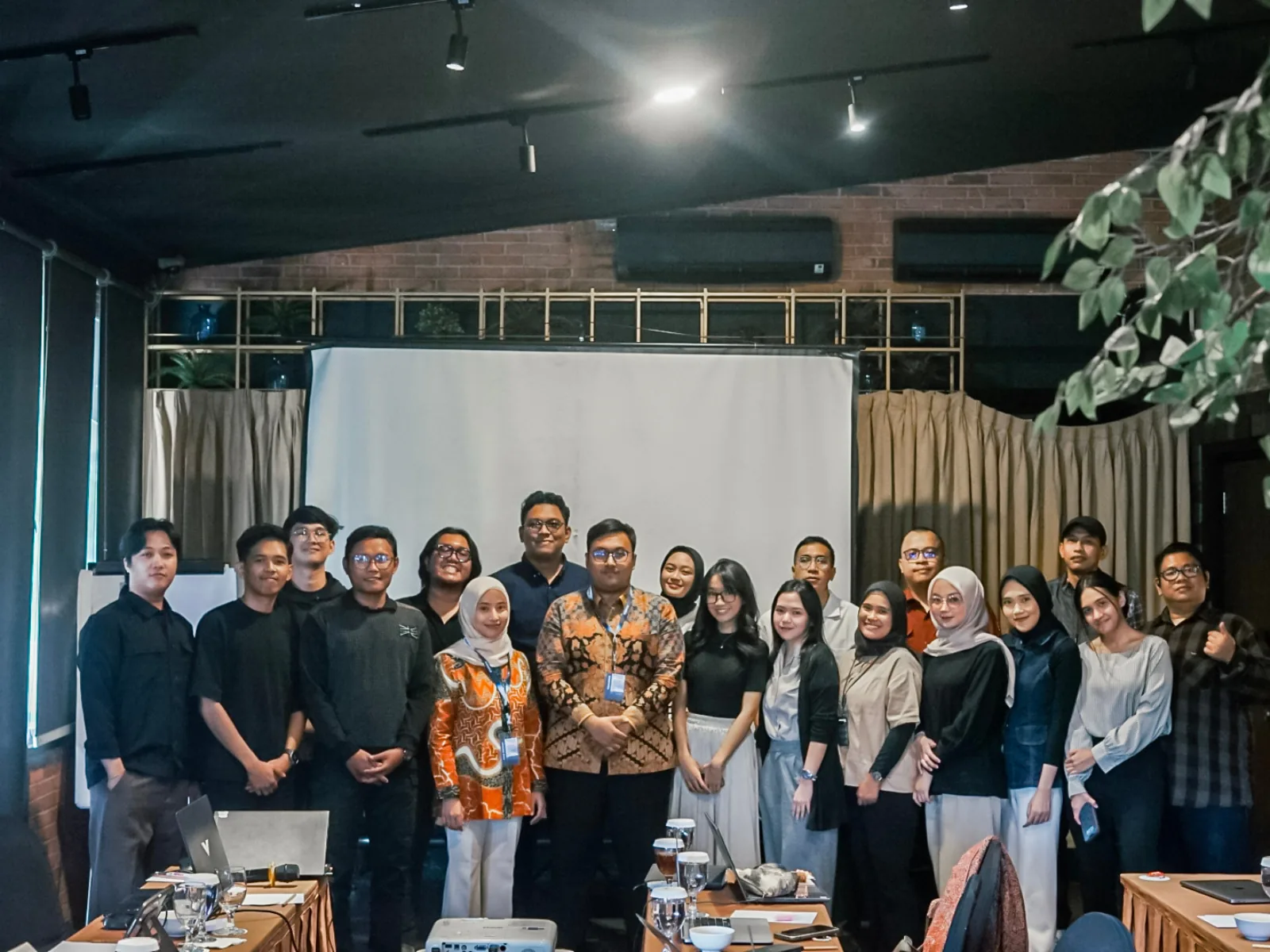
MPR RI
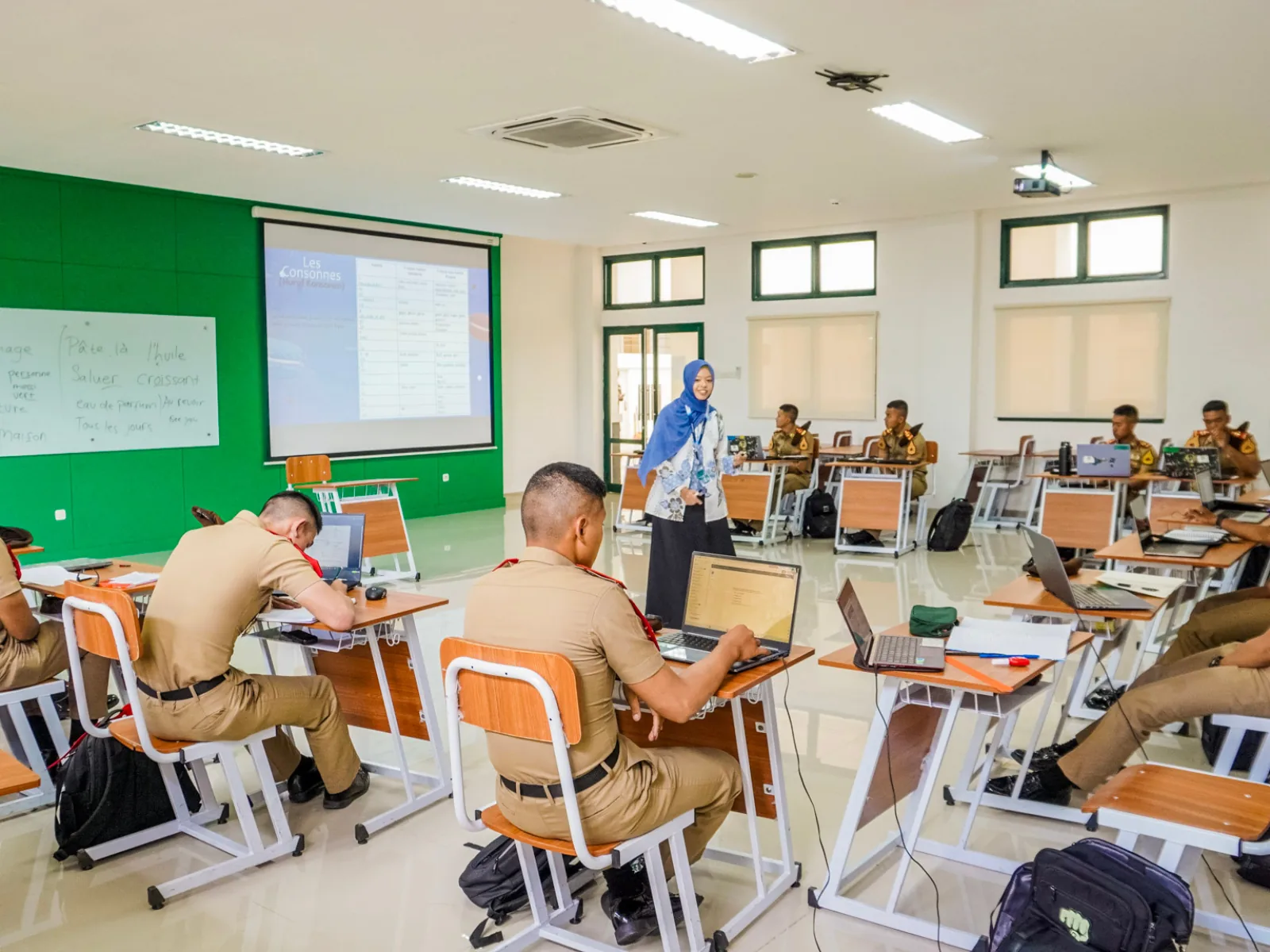
Akademi Militer Magelang
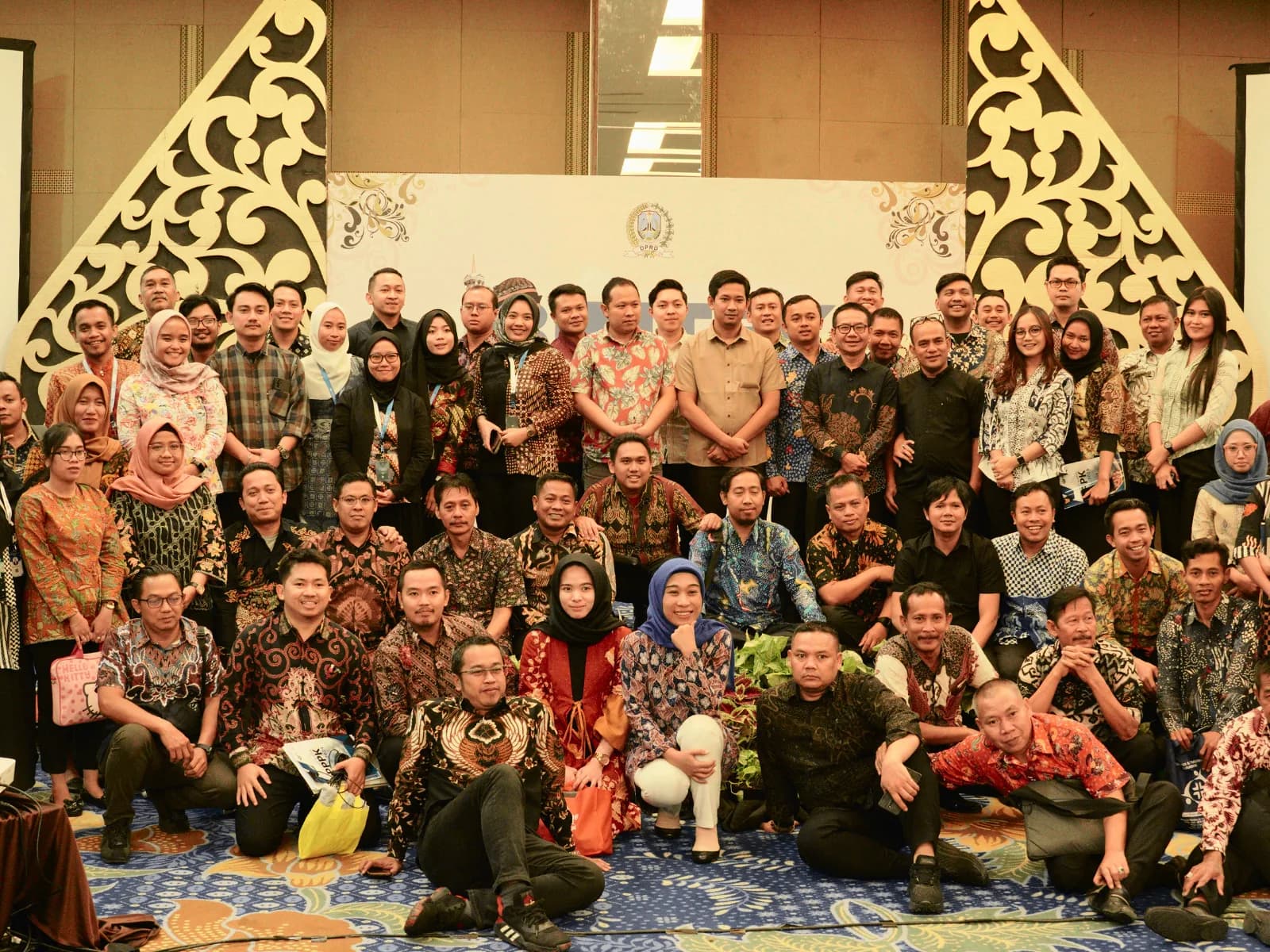
DPRD Provinsi Jawa Timur
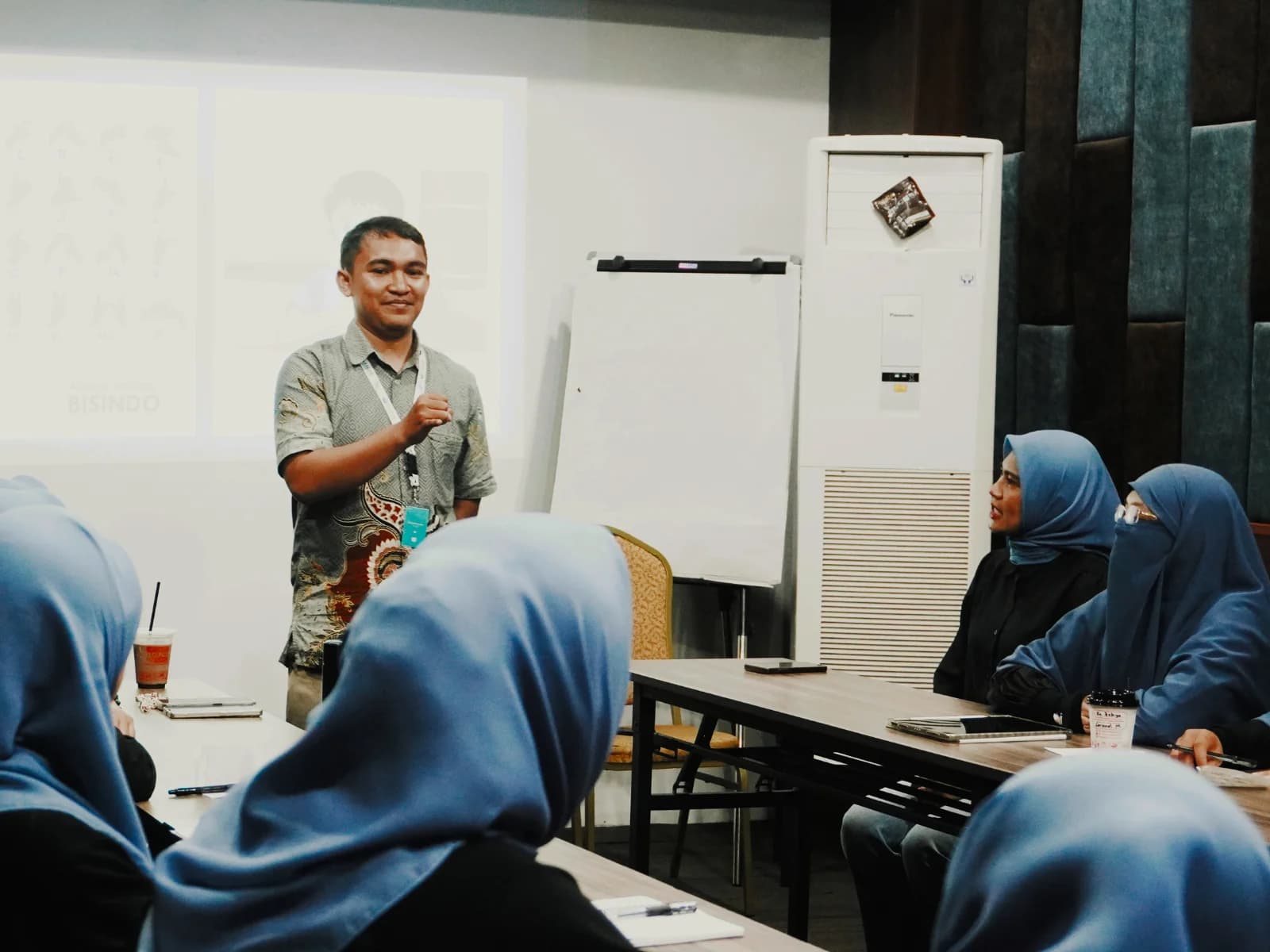
DPMPTSP Pemprov Maluku Utara
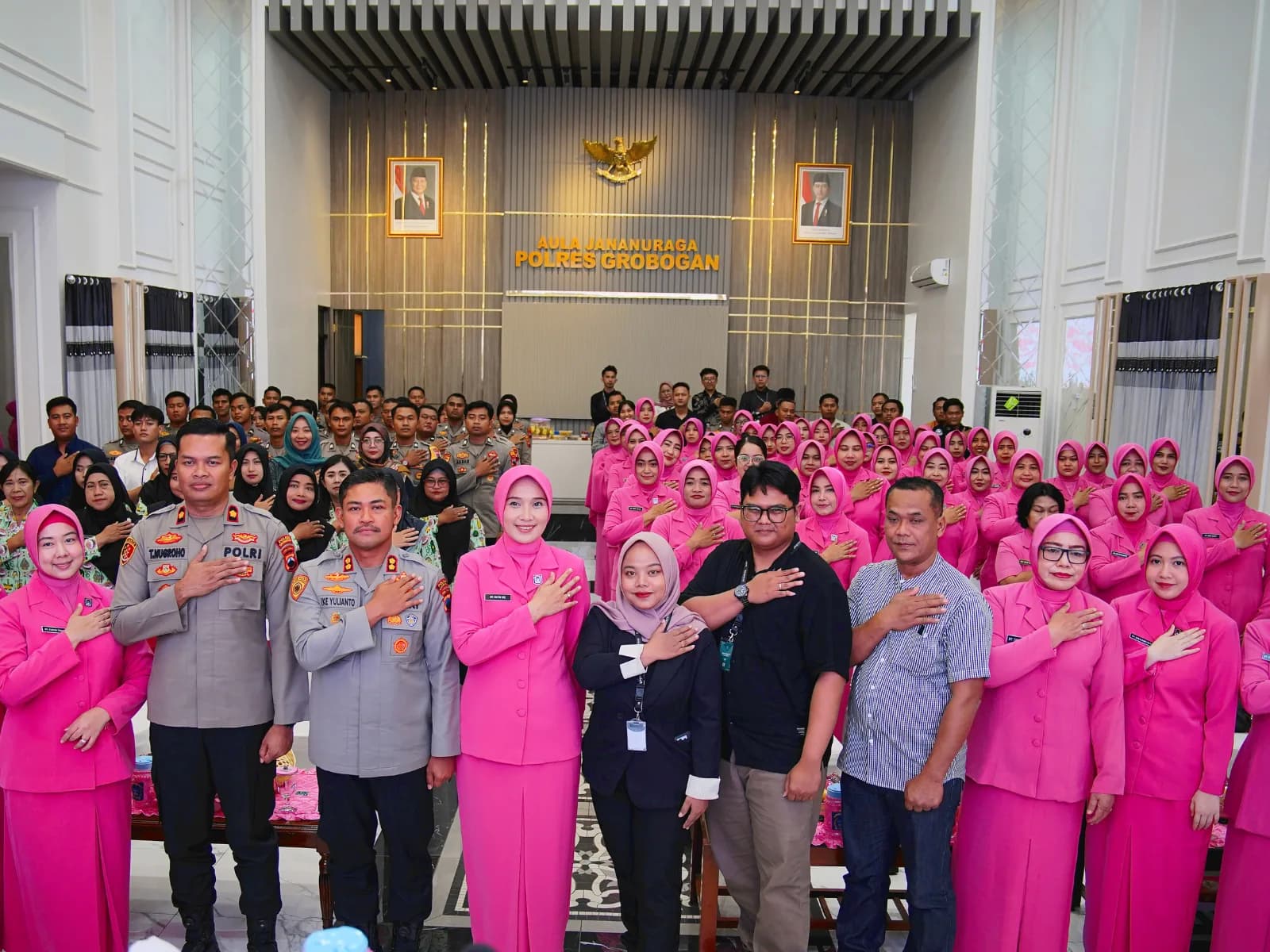
Polres Grobogan
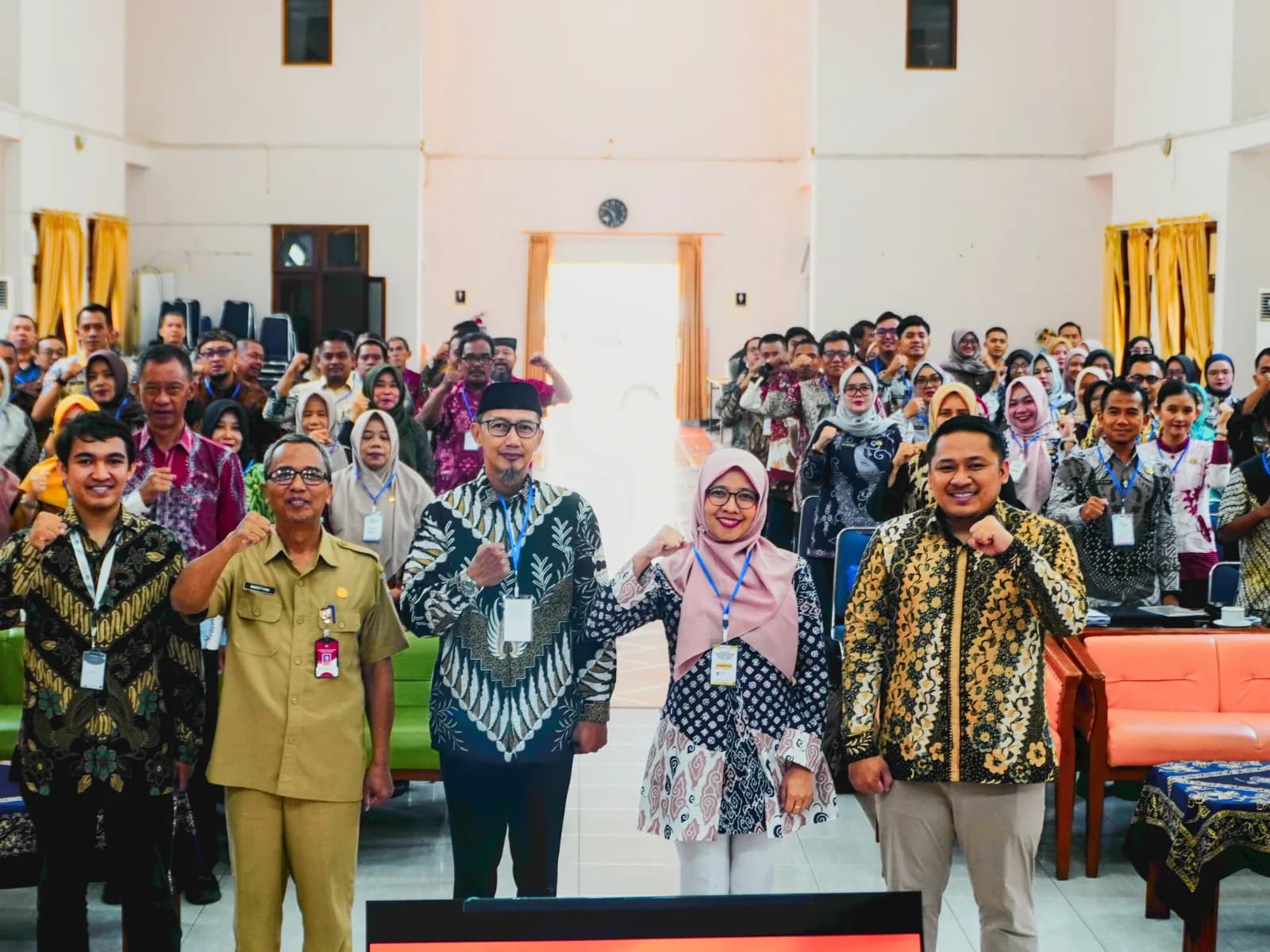
BKPSDM Cirebon
Digital Transformation for Executives
The executive digital transformation workshop is a strategic, decision-oriented session for the BOD and senior management to define transformation direction, prioritize the technology investment portfolio, design the target operating model, and lead the accompanying culture change. The approach is mapped to the Digital Masters framework (MIT Sloan/Capgemini), which separates digital capability from leadership capability, alongside McKinsey transformation leadership practices and Kotter's change model, with auditable outputs: a draft roadmap, a value-pool map, a governance framework, and value-realization metrics. The Indonesian context (SPBE for agencies, the BUMN transformation agenda) is integrated from the design stage.
Measurable Outcomes
Expected Outcomes
Success indicators mapped to Kirkpatrick evaluation levels: qualitative targets, set jointly during the TNA against the executive team's starting point.
- Direction and vision become one voice
- The executive team agrees on a definition of transformation (beyond mere digitization), the ambition, and a 'why' narrative communicable to the organization. Judged from the direction statement written together in the room (Kirkpatrick L2).
- An investment priority list is drawn up
- 3–5 priority initiatives with business rationale, value pools, and explicit selection criteria. It takes the form of an agreed investment priority list (Kirkpatrick L4).
- The board is aligned
- Shared digital language, metrics, and expectations at executive level; sponsorship roles defined per initiative. Seen when directors carry the same message back to their units (Kirkpatrick L3).
- Operating model and governance are agreed
- Governance framework, decision cadence, and target operating model (e.g. platform/product direction) defined at decision level. It takes the form of an operating model and investment ground rules (Kirkpatrick L4).
- Success measures are set
- A North Star metric + value-realization KPIs and a stage-gate funding mechanism agreed so progress can be tracked honestly. Proven by the success measures used in the following meeting (Kirkpatrick L3 transfer).
- Monetary value of the digital portfolio (optional)
- A business-case framework and initiative-effect isolation prepared if finance/investment committee requires a figure. Portfolio value in rupiah is sized through Phillips L5 for directors.
Program Format
Program Format Options
Chosen by transformation stage, BOD calendar, and the depth of decisions required, finalized after the TNA & pre-workshop discussion. An agreed direction and a priority list are born inside that single full day. When the decisions need carrying through to the operating model and investment governance, a follow-up advisory workshop series is scheduled around the board calendar.
Executive Briefing (0.5 day)
Perception alignment: industry landscape & disruption, Digital Masters benchmarks, the digitization/digitalization/transformation distinction, and why most transformations fail (McKinsey findings), so the BOD starts from a shared understanding.
Strategy Lab (1–2 days)
A working lab: value-pool mapping, initiative prioritization with explicit criteria, a draft target operating model, a portfolio governance framework, and value-realization metrics (North Star) co-created together.
Advisory Workshop (series)
Structured guidance for specific initiatives or periodic gate reviews: portfolio health, execution blockers, governance cadence, and course correction based on Kotter/ADKAR.
Free Consultation
Discuss your executive team's digital transformation workshop needs
We map your transformation stage, your position on the Digital Masters framework, and your regulatory context (SPBE/BUMN), then build a proposal & budget estimate grounded in real needs.
Curriculum
Curriculum Framework
Built with ADDIE; final modules curated from the TNA and industry. Topics below are the full coverage that can be activated for an executive audience.
- Industry disruption & signals the BOD must watch (technology, ecosystems, regulation, customer expectations)
- A sharp distinction: digitization (analog→digital), digitalization (changing processes), digital transformation (changing the model & value)
- Competitor benchmarks & relative position; where the value pool truly sits
- The Digital Masters framework (MIT Sloan/Capgemini): the digital capability × leadership capability quadrant
- Defining the ambition & 'why' narrative: lessons from McKinsey's 'Why digital strategies fail'
- External research cited honestly: fewer than one-third of digital transformations succeed (McKinsey)
- The five categories of McKinsey's 21 practices: leadership, capability building, empowering workers, upgrading tools, communication
- Failure signals: vague ambition, weak sponsorship, fragmented initiatives, stalling at the scaling phase
- The role of a chief digital officer & guiding coalition (a CDO correlates with higher success odds)
- Why culture surpasses technology as the dominant obstacle, and its implications for board decisions
- Value-pool mapping & prioritization criteria (business value, feasibility, risk, dependencies)
- Initiative sequencing: proof quick wins vs long-term bets
- Stage-gate funding & the discipline of stopping underperforming initiatives
- The roadmap as a decision document beyond a slide: ownership & accountability per initiative
- Integrating the Indonesian context: aligning the roadmap with SPBE (agencies) or the group/holding transformation agenda (BUMN)
- The next-generation operating model: from siloed functions to end-to-end capabilities
- Platform operating model & platform thinking: reusable shared capabilities across units
- Organizational choices: transformation office/PMO, product model, joint business & tech roles
- Linking the operating model to performance (operating-model change effectiveness correlates with superior performance)
- Talent & resourcing implications: build vs buy vs partner decisions at executive level
- Business case & ROI: the Phillips framework for monetization and isolating initiative effects
- Portfolio governance: committees, decision cadence, and gate-review criteria
- Technology, data, and security risk management at board level
- Data governance as a prerequisite for transformation (link to data-protection obligations)
- Regulatory/accountability context: SPBE & SPBE Index evaluation (agencies), director accountability (BUMN)
- Change models: Kotter 8-step (urgency, guiding coalition, vision, quick wins, institutionalizing)
- ADKAR/Prosci for individual change & McKinsey 7S for hard/soft-factor alignment
- Executive sponsorship, digital culture & talent: empowering workers (employee ideas raise success odds)
- North Star metric & value-realization KPIs: tracking realized value as the lead indicator over raw activity
- Governance cadence & Kirkpatrick L1–L4 evaluation (Phillips L5 on request) to prove impact to shareholders
Comparison
Choosing a Program Format
A concise decision matrix. The final recommendation is set after the training needs analysis & pre-workshop discussion.
| Aspect | Executive Briefing (0.5 day) | Strategy Lab (1–2 days) | Advisory Workshop (series) |
|---|---|---|---|
| Primary goal | Perception & ambition alignment | Formulate roadmap & decisions | Steer execution & gate reviews |
| Ideal participants | BOD starting an initiative | BOD & senior management + PMO | Transformation/PMO team + sponsor |
| Primary output | 'Why' narrative & shared understanding | Draft roadmap, value pool, operating model, North Star | Portfolio health & course correction |
| Core frameworks | Digital Masters + digitization/transformation distinction | Value pool + operating model + Kotter | Kotter/ADKAR + governance cadence |
| Evaluation level | Kirkpatrick L1–L2 | Kirkpatrick L1–L3 | Kirkpatrick L1–L4 (+Phillips L5) |
| Best suited for | Opening & aligning the transformation | Formulating strategy at decision level | A transformation already underway |
For Whom
Who Is This Program For?
Structured per executive role because decisions, accountability, and perspective differ in each seat.
Board of Directors & Commissioners
Set the ambition, sponsorship, and governance; accountable for investment to shareholders.
Common challenges
- Misaligned 'digital' perception across directors: some equate transformation with buying technology
- Large investment without clear priorities, value pools, or value-realization metrics
- Hard to tell whether the transformation is truly moving or just busy with activity
Senior management & P&L owners
Translate the ambition into initiative execution within their business lines.
Common challenges
- Fragmented initiatives competing for resources across units
- Transformation stalls at the scaling phase after pilots look good
- No shared language & metrics to report progress to the BOD
Transformation / PMO / CDO office team
Coordinate the portfolio, governance cadence, and value reporting.
Common challenges
- No governance & gate-review framework agreed by the BOD
- Shifting priorities because there are no explicit selection criteria
- Difficulty proving value realization beyond activity status
BUMN/agency leaders & senior officials
Steer transformation within regulatory and public-accountability boundaries.
Common challenges
- Roadmap not yet aligned with SPBE (Perpres 95/2018) & SPBE Index evaluation
- Digital initiatives not yet linked to the group/holding transformation agenda & AKHLAK core values ('Adaptif')
- Director/official accountability demands auditable governance evidence
Industry Context
Use Cases by Industry
One specific focus per industry, naming a real executive decision & regulatory context in that vertical.
Digital banking strategy & core modernization priorities: initiative-sequencing decisions, target operating model (bank vs platform), board-level data & technology-risk governance, with Digital Masters benchmarks and value-realization discipline reportable to the board & risk committee.
See in Banking & Financial Services context →A roadmap aligned with the Ministry of SOEs transformation agenda and the AKHLAK core values (especially 'Adaptif'): cross-subsidiary initiative alignment, auditable portfolio governance for director accountability, and evidence readiness for internal/BPK examination.
See in State-Owned Enterprises (BUMN) context →Industry 4.0 & smart factory: value-pool-based automation priorities, operational data platform vs point-solution decisions, and a target operating model uniting OT/IT plus technology-capex investment governance.
Digital operations & asset performance amid the energy transition: value- and risk-based initiative prioritization, asset-data governance readiness, and an operating model that sustains critical-infrastructure operational resilience.
See in Energy & Resources context →A digital-government roadmap mapped to SPBE (Perpres 95/2018) and the SPBE Index evaluation criteria (PermenPANRB 3/2024): citizen-service priorities, leadership-level SPBE governance & architecture, and maturity evidence for monitoring/evaluation.
See in Government & Public Sector context →Delivery Method
Delivery
Format adapts to the BOD calendar and the required decision depth; every format runs as a working decision lab in place of a passive one-way lecture.
In-house on-site
Facilitator comes to the office/training venue; a working session with company industry case studies & benchmarks, value-pool mapping, and collective decision-making.
Hybrid
On-site sessions for roadmap formulation & core decisions, followed by online advisory/gate reviews to steer execution and governance cadence.
Live online
Executive briefing & alignment sessions via Zoom/Teams with structured breakouts and recording; suitable for a distributed BOD or a first step before an intensive on-site session.
Engagement Flow
Engagement Path
From executive alignment to measured value realization: qualitative durations, adapted to transformation stage & BOD calendar.
Training Needs Analysis & Pre-Workshop Discussion
Mapping the transformation stage, position on the Digital Masters framework, regulatory context (SPBE/BUMN), and decision objectives. Output: a needs profile + alignment baseline.
Initial stageProgram Design (ADDIE) & Benchmark Curation
Defining executive learning objectives, the Strategy Lab agenda, case studies & benchmarks from your industry, and the framework map (Digital Masters/Kotter/operating model).
Before deliveryExecutive Briefing: Perception Alignment
BOD alignment: landscape & disruption, the digitization/digitalization/transformation distinction, why most transformations fail, and the 'why' narrative.
0.5 day (optional opener)Strategy Lab: Formulating Decisions
Value-pool mapping, criteria-based initiative prioritization, a draft target operating model, a governance framework, and a North Star value-realization metric.
1–2 intensive daysEvaluation & Decision Summary (Kirkpatrick)
Level 1–4 evaluation (reaction, alignment, governance behavior, results) and a decision summary for the PMO & BOD. Phillips ROI Level 5 if finance requests a figure.
After the workshopAdvisory & Gate Review (Institutionalization)
Serial execution stewardship: portfolio health, governance cadence, course correction based on Kotter/ADKAR, and value-realization tracking.
Ongoing (optional)Case Studies
Typical Outcome Patterns
Indicative impact patterns based on similar program structures. Illustrative, with no named clients or promised numbers. External benchmarks (e.g. McKinsey, MIT Sloan/Capgemini) are referenced as research and remain separate from Neksus results.
Energy company BOD planning an operations transformation
Intervention
Executive briefing + 2-day Strategy Lab (value pool, prioritization, draft target operating model)
Result
A draft roadmap with several priority initiatives and agreed selection criteria; digital language & metrics became uniform at executive level
SOE senior management with many subsidiaries
Intervention
Executive briefing + serial advisory (governance framework & gate-review cadence)
Result
A transformation governance framework & North Star metric established; cross-subsidiary initiatives more aligned and reportable to the board
Government agency leadership organizing digital services
Intervention
Strategy Lab + mapping to SPBE & SPBE Index criteria
Result
Citizen-service initiative priorities and leadership-level SPBE governance defined, with an auditable decision trail
Procurement Info
Information for Procurement & Vendor Management
What procurement, finance, legal, and corporate-secretary teams need.
Structured proposal: measurable learning objectives for an executive audience, the Strategy Lab agenda, a framework map (Digital Masters/Kotter/operating model), C-level-grade facilitator profiles, schedule, and TNA-based cost breakdown.
TNA-based: flat per program, per session, per participant, tiered, or custom. No standard figure without a needs analysis; an estimate follows the TNA & pre-workshop discussion.
Flexible terms (deposit + balance / per-phase terms); tax invoice (PPN/VAT) and PO documentation support available.
Familiar with state-owned-enterprise/agency procurement stages: vendor documents, e-procurement, owner's estimate/bid, and compliance clauses; material can align to the SPBE context & director accountability.
A decision summary & Kirkpatrick Level 1–3 evaluation report (attendance, alignment assessment, session work results); Phillips ROI Level 5 on finance/investment-committee request.
NDA signing and confidentiality clauses; internal strategy discussions and sensitive data are not taken outside the agreed scope.
The roadmap canvases, operating-model maps, and decision summaries built for the company belong to the company; material usage rights are agreed in the contract.
FAQ
Frequently Asked Questions
Next Step
Discuss your executive team's digital transformation workshop needs
We map your transformation stage, your position on the Digital Masters framework, and your regulatory context (SPBE/BUMN), then build a proposal & budget estimate grounded in real needs.
- Proposal, Strategy Lab agenda, and framework map
- Case studies & benchmarks curated from your industry (banking/BUMN/manufacturing/energy/government)
- Procurement-ready documents (company profile, tax ID, NDA, VAT invoice)
Explore More
Related Topics
Digital Transformation for Executives training for your Manufacturing team
We map your transformation stage, your position on the Digital Masters framework, and your regulatory context (SPBE/BUMN), then build a proposal & budget estimate grounded in real needs.
- Proposal, Strategy Lab agenda, and framework map
- Case studies & benchmarks curated from your industry (banking/BUMN/manufacturing/energy/government)
- Procurement-ready documents (company profile, tax ID, NDA, VAT invoice)